

What Are the Key Advantages of Solar Marine Lights for Port and Waterway Navigation?
author: Lena Guan
2026-03-18
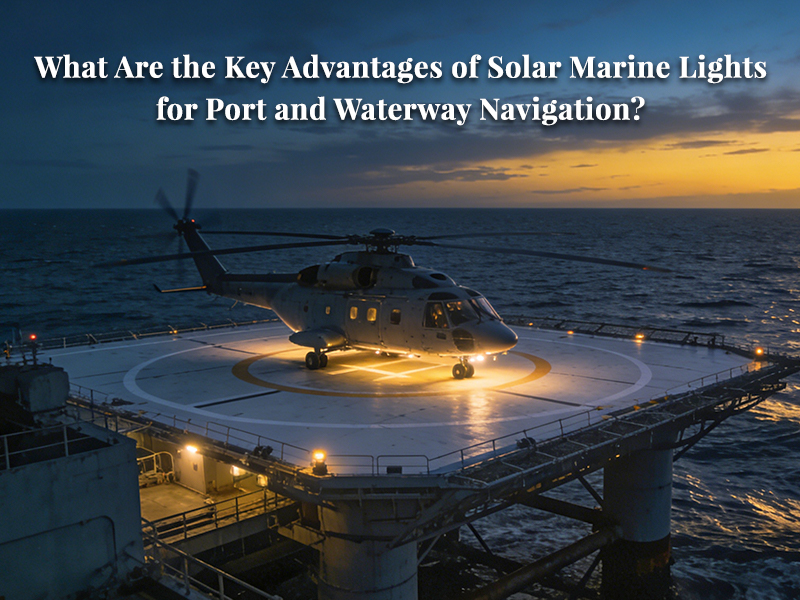
What Are the Key Advantages of Solar Marine Lights for Port and Waterway Navigation?
Reliable navigation lighting is essential for ports, waterways, and offshore operations. Harsh weather, salt spray, and low visibility at night can cause traditional lights to fail. The LB-ML-S7 and S7 Plus solar marine lights are designed for ports and waterways with intelligent light control, durable protection, and flexible installation, ensuring navigation signals remain consistent in all conditions.
Do LB-ML-S7 and S7 Plus Comply with IALA Standards?
The S7 series strictly follows IALA standards, ensuring that the optical design and signal colors meet global navigation requirements.
- Visibility Range: S7 6–8 NM, S7 Plus 8–12 NM
- Application Environments: Buoys, lighthouses, nearshore and offshore waterways
- Optical Design: Provides uniform and strong light output, clearly visible even in multi-light environments
Compliance with IALA standards ensures that port and waterway navigation lights remain effective in all marine conditions, providing safe guidance for vessels.
Can These Lights Meet Different Flashing Requirements?
Supports 256 programmable IALA flash patterns, adjustable for buoys, lighthouses, or offshore navigation lights.
- Clear visibility in multi-light environments
- Suitable for buoys, ports, and offshore lights
How Do the Lights Run Without Solar Charging?
Built-in lithium battery provides ≥15 days autonomy, and light sensors automatically adjust brightness and flash patterns.
- All-weather automatic operation
- Energy-efficient, reducing maintenance frequency
How Durable Are These Lights?
IP68 waterproof, polycarbonate lens, corrosion-resistant base; withstands seawater, salt spray, and strong winds.
-
Flexible installation with multiple mounting options
-
Reduces labor and improves operational efficiency
Key Specifications
-
Visibility Range: S7 6–8 NM, S7 Plus 8–12 NM
-
Flash Patterns: 256 IALA programmable modes
-
Protection Rating: IP68 waterproof
-
Battery Autonomy: ≥15 days (without solar input)
-
Power Supply: Solar + built-in lithium battery
-
Applications: Buoys, lighthouses, ports, ship navigation
-
Light Types: Navigation light, buoy light, offshore light
Suitable Applications
-
Buoy and beacon lighting
-
Port docks and waterway navigation
-
Offshore navigation and ship lighting
-
Marine research and observation platforms
Core Advantages
IALA-standard optics, 256 flash patterns, long battery life, IP68 waterproof, corrosion-resistant, flexible installation, all-weather automatic operation, energy-efficient, ensuring solar marine lights for ports and waterways operate reliably under all conditions and support modern port and waterway management.
Why Does the LB-HP-I LED Heliport Light Require Aging Tests?
How to Choose the Right Offshore Heliport Light for Safe Night Landings?
Related Article

Why are red and white aviation obstruction lights needed for tall structures? The LB-MI-AB-B3-L uses LED technology and dual-color lighting to provide reliable aviation warning for towers, buildings, chimneys, and wind turbines.
Why Are Red and White Aviation Obstruction Lights Important for Tall Structures?

Learn why towers and buildings use Medium Intensity Aviation Obstruction Lights. Discover LED aviation obstruction light applications, selection tips, and the GZ-155 warning light solution.
Why Towers and Buildings Commonly Use Medium Intensity Aviation Obstruction Lights?
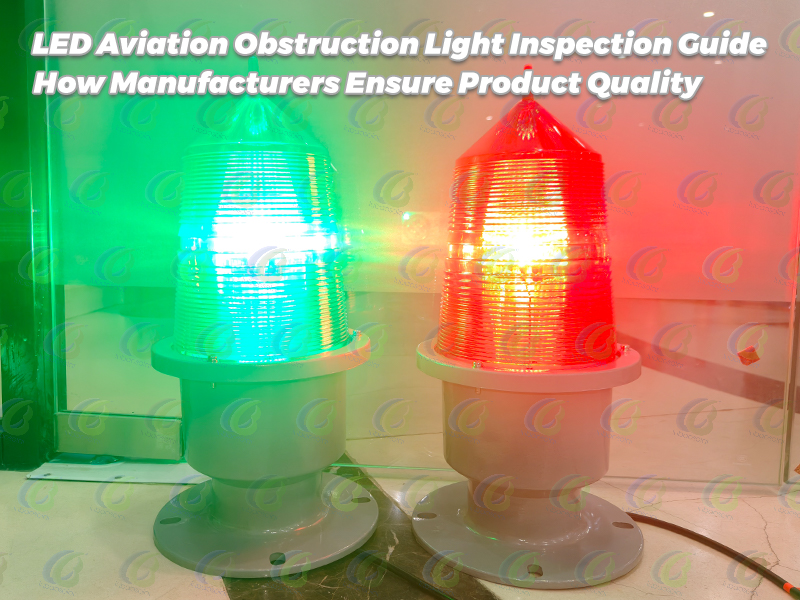
Learn how an LED Aviation Obstruction Light Manufacturer ensures product quality through 100% pre-shipment inspection, including appearance checks, LED testing, electrical inspection, and quality control procedures.
LED Aviation Obstruction Light Inspection Guide: How Manufacturers Ensure Product Quality
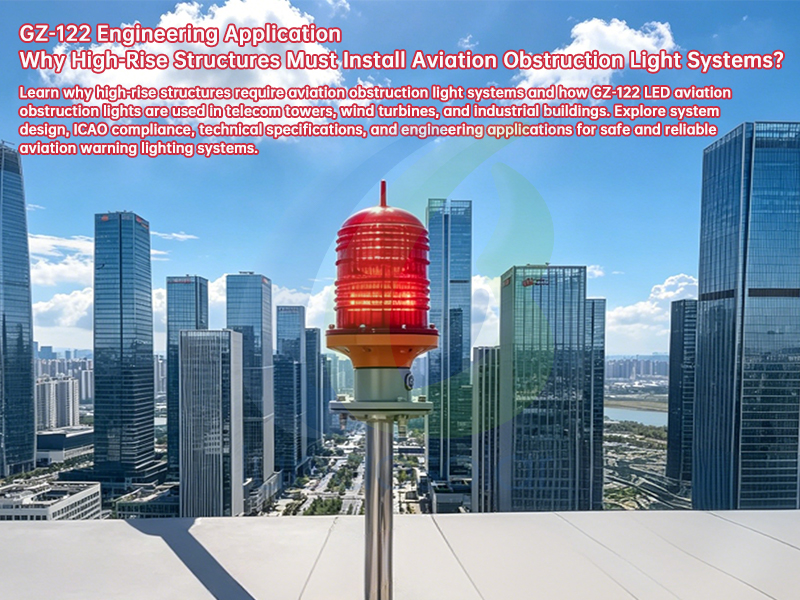
Learn why high-rise structures require aviation obstruction light systems and how GZ-122 LED aviation obstruction lights are used in telecom towers, wind turbines, and industrial buildings. Explore system design, ICAO compliance, technical specifications, and engineering applications for safe and reliable aviation warning lighting systems.
Why High-Rise Structures Must Install Aviation Obstruction Light Systems? — GZ-122 Engineering Application