


Understanding Obstruction Lights: A Type, AB Type, B Type, C Type, and D Type (ICAO Annex 14 Standards)
author: Aaron
2025-02-07
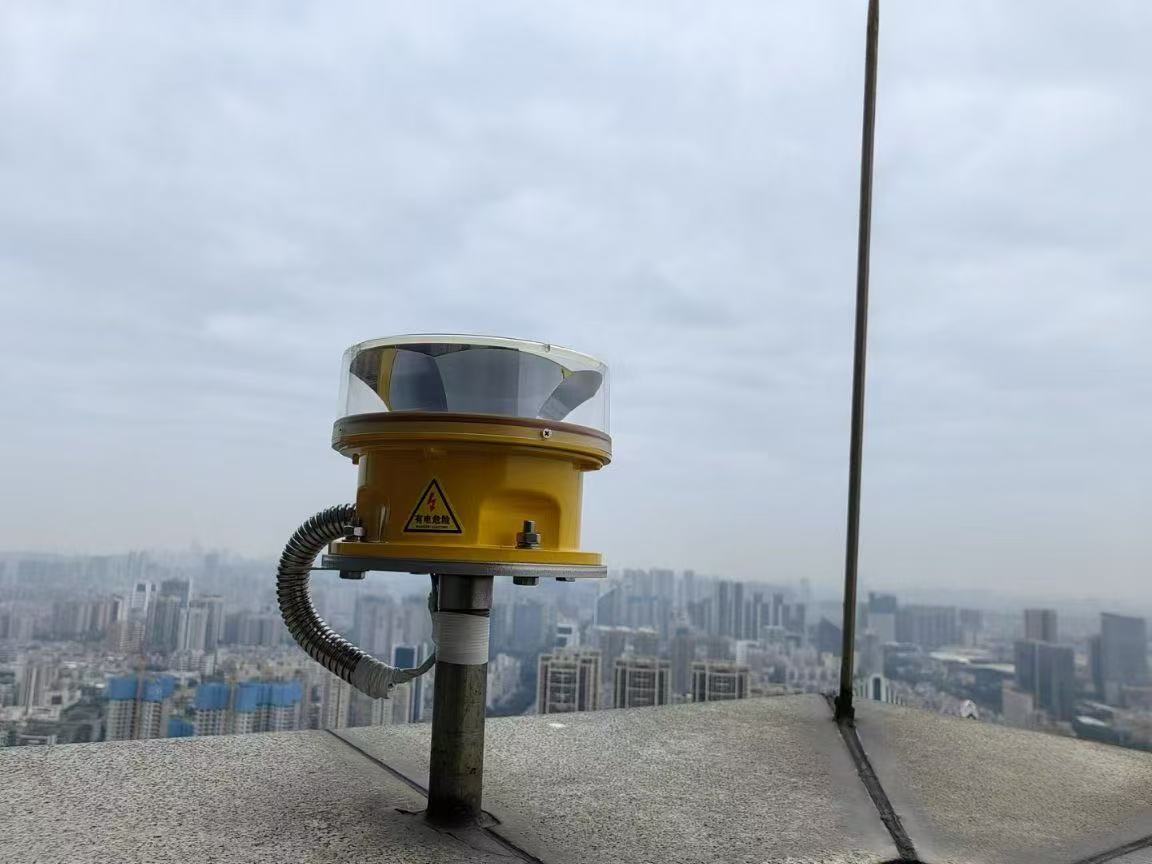
Understanding Obstruction Lights: A Type, AB Type, B Type, C Type, and D Type (ICAO Annex 14 Standards)
Obstruction lights are essential for marking tall structures such as towers, buildings, chimneys, wind turbines, and bridges to prevent air traffic hazards. According to ICAO Annex 14, these lights are categorized into low-intensity (A, AB, B) and medium-intensity (C, D) types based on their light intensity, flashing mode, and application.
1. Low-Intensity Obstruction Lights
Low-intensity lights are used for structures below 45 meters where medium- or high-intensity lights are not required.
A Type Obstruction Light (Steady Red Light, Low-Intensity)
-
Light Intensity: ~10 candela (cd)
-
Lighting Mode: Steady-burning red
-
Application:
-
Communication towers
-
Airport buildings
-
Small structures
-
Wind turbine nacelles
-
-
Regulations: ICAO Annex 14, Low-Intensity Type A / FAA L-810
-
Key Feature: Simple and cost-effective for low-risk areas.
AB Type Obstruction Light (Steady & Flashing Red, Low-Intensity)
-
Light Intensity: 10 cd (steady) / 32 cd (flashing)
-
Lighting Mode: Steady or Flashing Red
-
Application:
-
Towers and tall structures in urban areas
-
Buildings where both steady and flashing signals are needed
-
-
Regulations: ICAO Annex 14, Low-Intensity Type AB
-
Key Feature: Versatile design suitable for adaptive aviation lighting requirements.
B Type Obstruction Light (Flashing Red, Low-Intensity)
-
Light Intensity: 32 cd
-
Lighting Mode: Flashing Red
-
Application:
-
Structures above 45 meters but below the requirement for medium-intensity lights
-
Wind turbines, bridges, and towers in critical aviation zones
-
-
Regulations: ICAO Annex 14, Low-Intensity Type B / FAA L-810 (flashing variant)
-
Key Feature: Flashing red light improves visibility in high-risk zones compared to steady-burning lights.
2. Medium-Intensity Obstruction Lights
Medium-intensity obstruction lights are required for structures exceeding 45 meters in height or where low-intensity lighting is insufficient for air traffic safety.
C Type Obstruction Light (Flashing Red, Medium-Intensity)
-
Light Intensity: 2,000 cd
-
Lighting Mode: Flashing Red
-
Application:
-
Medium-height buildings and structures 45-150 meters high
-
Chimneys, wind turbines, and radio towers
-
-
Regulations: ICAO Annex 14, Medium-Intensity Type C
-
Key Feature: Used at night only, providing higher visibility compared to low-intensity lights while maintaining energy efficiency.
D Type Obstruction Light (Flashing White, Medium-Intensity)
-
Light Intensity: 20,000 cd
-
Lighting Mode: Flashing White
-
Application:
-
Structures above 150 meters
-
Used as a daytime marker when high-intensity lighting is not required
-
Towers and bridges where red obstruction lights are not practical
-
-
Regulations: ICAO Annex 14, Medium-Intensity Type D
-
Key Feature: Unlike Type C, this light emits a white flashing signal, making it ideal for both day and night use in high-visibility zones.
Comparison Table of ICAO Obstruction Lights
|
Type
|
Light Intensity
|
Mode
|
Application
|
|---|---|---|---|
|
A Type
|
~10 cd
|
Steady Red
|
Small structures, airport buildings, low-risk zones
|
|
AB Type
|
10 cd (steady) / 32 cd (flashing)
|
Steady or Flashing Red
|
Adaptive use for aviation requirements
|
|
B Type
|
~32 cd
|
Flashing Red
|
Towers, bridges, high-risk zones below 45m
|
|
C Type
|
~2,000 cd
|
Flashing Red
|
Structures 45-150m, night-time only
|
|
D Type
|
~20,000 cd
|
Flashing White
|
Structures over 150m, day and night use
|
How to Choose the Right Obstruction Light?
-
For structures below 45m → Use Type A, AB, or B
-
For structures between 45m-150m → Use Type C (flashing red)
-
For structures above 150m → Use Type D (flashing white)
By selecting the right obstruction light type, air traffic safety is enhanced while ensuring compliance with ICAO and FAA aviation regulations. ?
Solar Aviation Obstruction Lights: Safety Guardians Powered by the Sun – LB-AOB03
what do airport runway lights mean
Related Article

Why are red and white aviation obstruction lights needed for tall structures? The LB-MI-AB-B3-L uses LED technology and dual-color lighting to provide reliable aviation warning for towers, buildings, chimneys, and wind turbines.
Why Are Red and White Aviation Obstruction Lights Important for Tall Structures?

Learn why towers and buildings use Medium Intensity Aviation Obstruction Lights. Discover LED aviation obstruction light applications, selection tips, and the GZ-155 warning light solution.
Why Towers and Buildings Commonly Use Medium Intensity Aviation Obstruction Lights?
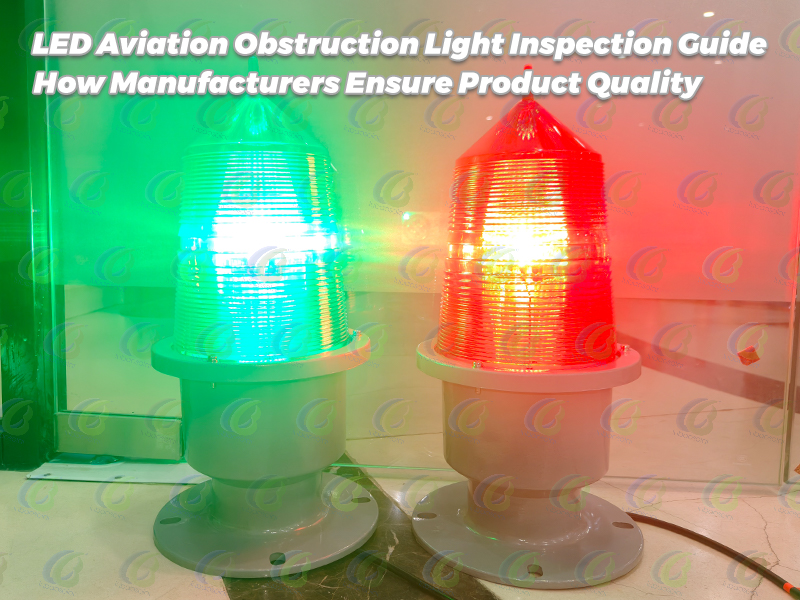
Learn how an LED Aviation Obstruction Light Manufacturer ensures product quality through 100% pre-shipment inspection, including appearance checks, LED testing, electrical inspection, and quality control procedures.
LED Aviation Obstruction Light Inspection Guide: How Manufacturers Ensure Product Quality
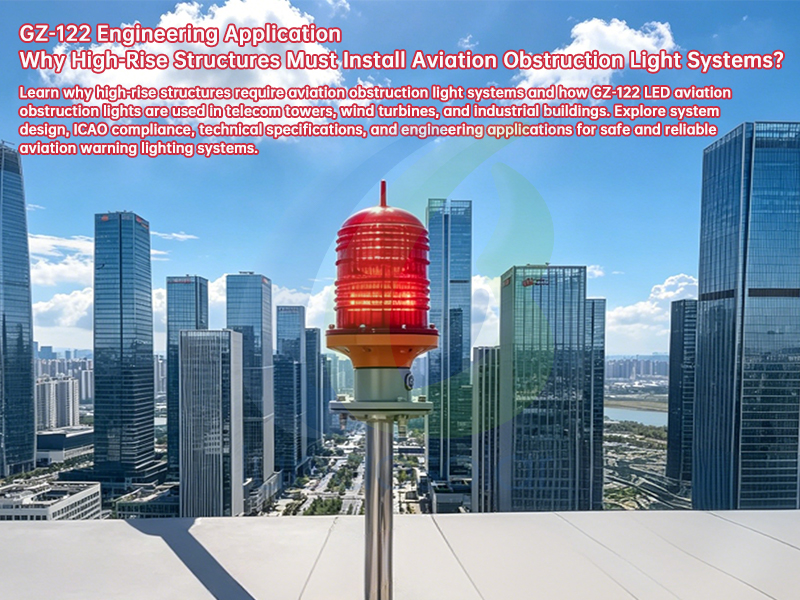
Learn why high-rise structures require aviation obstruction light systems and how GZ-122 LED aviation obstruction lights are used in telecom towers, wind turbines, and industrial buildings. Explore system design, ICAO compliance, technical specifications, and engineering applications for safe and reliable aviation warning lighting systems.
Why High-Rise Structures Must Install Aviation Obstruction Light Systems? — GZ-122 Engineering Application