


How to Properly Install Road Barrier Lights to Maximize Construction Zone Safety?
author: Lena Guan
2026-03-16
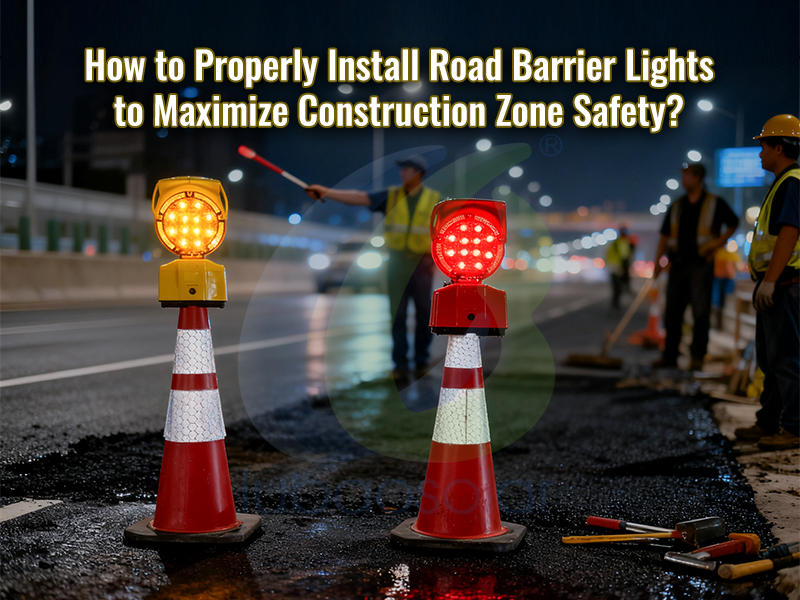
How to Properly Install Road Barrier Lights to Maximize Construction Zone Safety?
Introduction
In construction zones or temporary closures, road barrier lights are essential tools for ensuring safety and guiding traffic. Proper placement of lights improves nighttime visibility and alerts drivers to slow down or take detours, reducing accident risks.
Planning Before Installation
Assess the Environment
Before installation, assess road width, slope, traffic flow, and lighting conditions. In nighttime, fog, or low-visibility conditions, increase the number of lights and adjust installation height to ensure optimal warning performance.
Calculate Safe Distances
Calculate minimum spacing based on speed limits and vehicle speed to ensure drivers have sufficient time to react and slow down.
Installation Methods
Mounting Options
Common mounting options include:
-
On barricade tops
-
On traffic cones or posts
-
Using brackets or poles
These methods allow rapid deployment of construction zone warning lights while ensuring nighttime visibility.
Height and Angle Optimization
- Road construction: 1–1.2 m
- Temporary barricades or warehouse areas: 0.8–1 m
Too low may be blocked by large vehicles; too high can disperse light and reduce effectiveness.
Multiple Light Arrangement
Staggered or sequential arrangements create visual guidance, enhance overall visibility, and prevent blind spots from single-point failures.
Functionality and Optimization
Flashing Modes and Colors
- High-speed zones
- Fast flash 60–80 FPM
- Provides long-distance visibility; drivers can notice the construction zone 150–200 meters ahead
Urban/low-speed zones
-
Slow flash 30–40 FPM
-
Reduces glare while clearly signaling drivers to slow down
Light Color
Yellow is standard warning color; red can indicate restricted or high-risk areas
Power Options
-
Solar Warning Lights: suitable for long-term outdoor use without wiring
-
Rechargeable Warning Lights: ideal for temporary or mobile deployments
Compliance and Safety Standards
Follow Construction Safety Standards
Different regions have regulations governing the number, flash rate, and installation height of warning lights. Follow local standards to ensure compliance.
Waterproof and Dustproof
Choose the protection level according to the construction environment:
-
IP54: dust-protected, splash-resistant; suitable for urban construction or light rain/snow
-
IP65: dust-tight, water jet resistant; ideal for outdoor road construction or temporary closures
-
IP67: dust-tight, temporary immersion resistant; suitable for ports or frequently waterlogged construction sites
Selecting the appropriate level ensures road barrier lights remain reliable in rain, snow, or dusty conditions and prolongs service life.
Maintenance and Visibility Testing
- Regular inspection: check batteries, clean fixtures, replace lights
- Visibility test: test on-site at night or in fog/rain to ensure proper visibility
Application Scenarios
|
Scenario
|
Key Features
|
Main Considerations
|
|
Road Construction
|
Standard height, multiple lights
|
Nighttime visibility, vehicle slowing
|
|
Ports & Docks
|
Bracket-mounted, waterproof
|
Nighttime vehicle identification
|
|
Temporary Closure
|
Solar or rechargeable lights
|
Rapid deployment, mobile operation
|
|
Warehouse & Parking
|
Adjustable height, flexible layout
|
Pedestrian-vehicle interaction
|
Road barrier lights are a common type of warning lights in construction zones; proper installation significantly enhances safety.
Conclusion
Proper road barrier light installation and warning light placement significantly enhance construction zone safety. Strategic planning, proper placement, and routine maintenance maximize safety and reduce accident risks.
How to Choose ITE-Compliant & MUTCD-Standard Barricade Lights? Solar vs Battery Barricade Light Comparison
Battery vs Solar Traffic Barricade Lights: Which One Is Better for Road Safety
Related Article
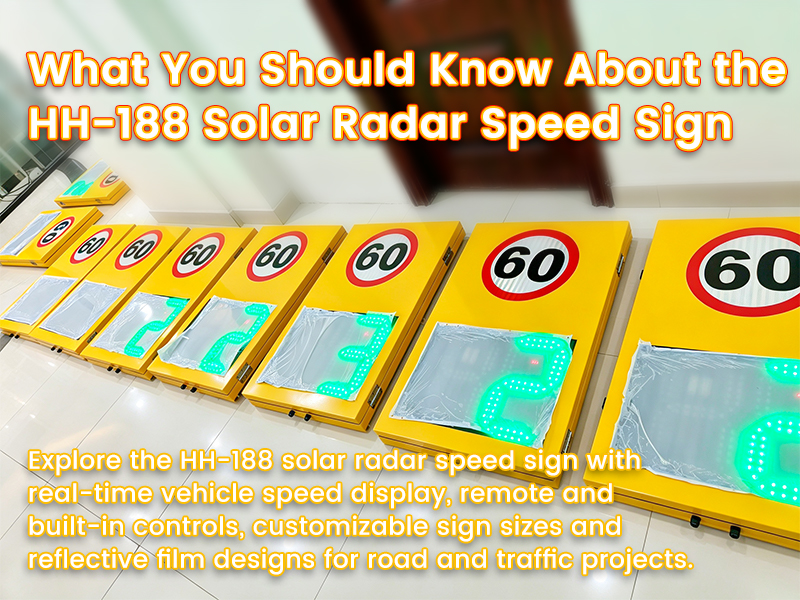
Explore the HH-188 solar radar speed sign with real-time vehicle speed display, remote and built-in controls, customizable sign sizes and reflective film designs for road and traffic projects.
What You Should Know About the HH-188 Solar Radar Speed Sign
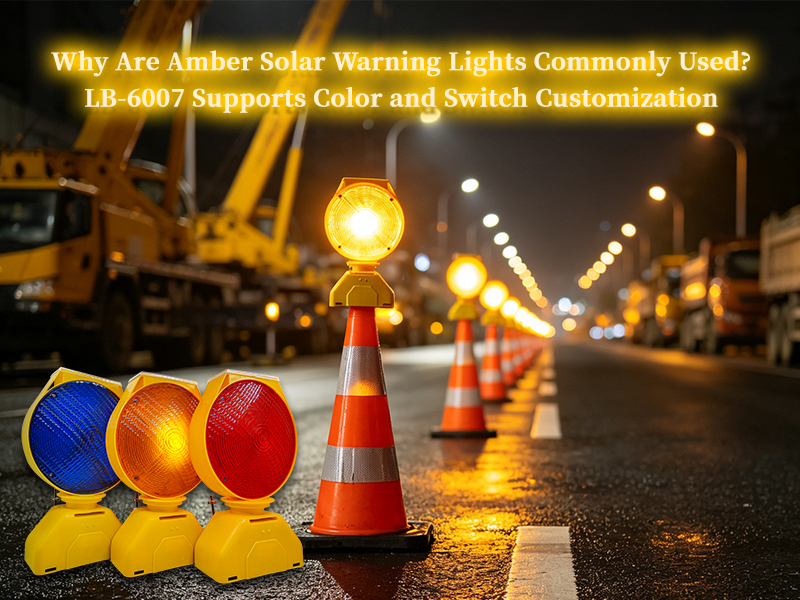
Why Are Amber Solar Warning Lights Commonly Used? LB-6007 Supports Color and Switch Customization
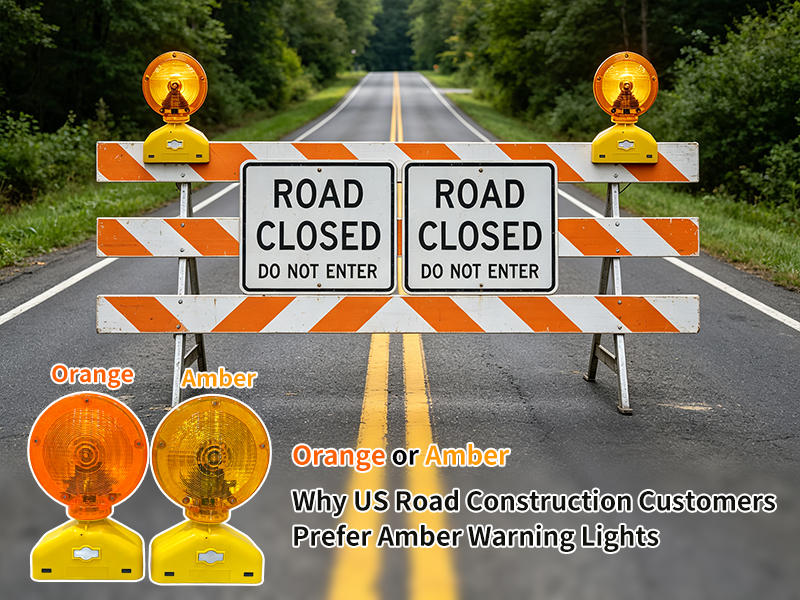
Learn why amber is commonly used for warning lights in US road construction. This article explains how orange work zone equipment and amber warning lights serve different functions and why amber is preferred for active visual warning.
Orange or Amber? Why US Road Construction Customers Prefer Amber Warning Lights
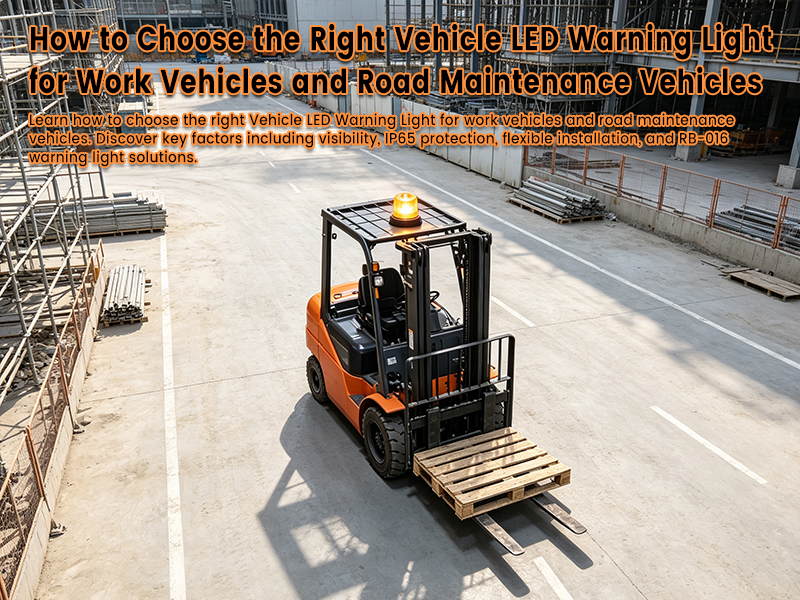
Learn how to choose the right Vehicle LED Warning Light for work vehicles and road maintenance vehicles. Discover key factors including visibility, IP65 protection, flexible installation, and RB-016 warning light solutions.
How to Choose the Right Vehicle LED Warning Light for Work Vehicles and Road Maintenance Vehicles