


how to install rubber speed bumps?
author: Aaron
2024-12-06
Speed bumps, also known as speed reduction ridges, speed bumps or speed reduction markings, are a common traffic facility used to slow down vehicles and improve road safety. Speed bumps are usually installed in areas that require deceleration, such as highways, parking lots, schools, and residential areas. The correct installation method is essential to ensure the normal use of speed bumps and extend their service life. The following is a detailed introduction to the installation method of speed bumps.
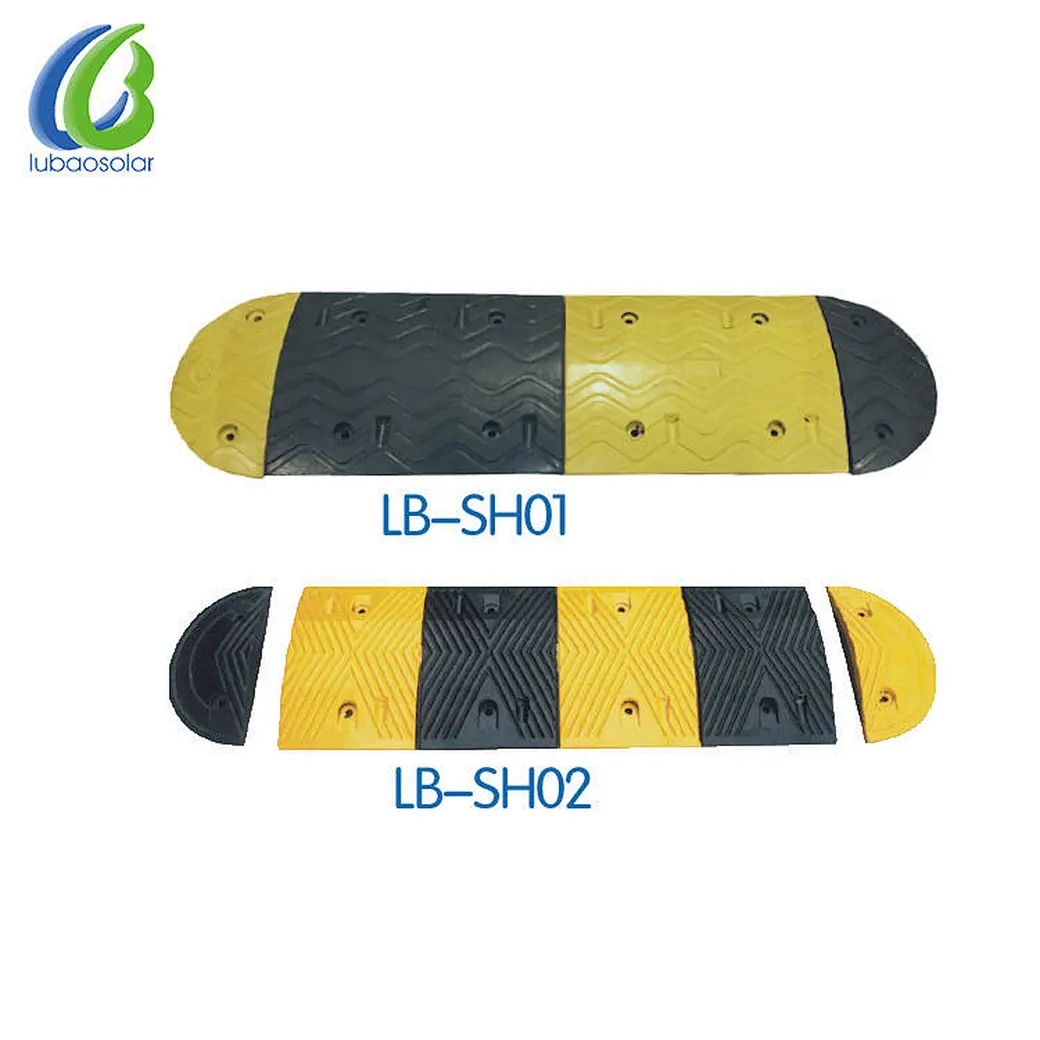
Before you start installing the speed bump, you need to do some preparatory work:
1. Choose a suitable location:
According to actual needs, choose a suitable location for installing the speed bump. The speed bump should be installed on the outside of the lane, about 30-50 cm away from the roadside. Make sure the width of the speed bump is moderate, generally not exceeding 100 cm, so as not to affect the normal driving of the vehicle.
2. Clean the site:
Before installing the speed bump, you need to clean the site to ensure that the road surface is flat and free of debris. If the ground is uneven, you can use cement mortar to level it, but be careful not to damage the original road structure.
3. Measure dimensions:
According to the selected location, measure the width, length and height of the speed bump, and calculate the required amount of material.
Installation Steps
1. Laying the foundation:
Lay a layer of asphalt or concrete with a thickness of 3-5 cm on the ground as the foundation of the speed bump, and ensure that the foundation is flat and solid for subsequent installation work.
2. Cutting the speed bump:
According to the measured size, use a cutting machine to cut the speed bump into the required length. Pay attention to keeping the edges of the speed bump neat and avoid burrs.
3. Installing the speed bump:
Lay the cut speed bump flat on the base layer to ensure that it fits tightly with the ground, and then use fixings (such as bolts, nails, etc.) to fix the speed bump on the foundation. During the installation process, pay attention to adjusting the angle of the speed bump to make it consistent with the direction of the road.
4. Check the installation:
After the installation is completed, carefully check whether the speed bump is firmly fixed on the base layer, and whether there are problems such as tilting and looseness. If necessary, fine-tune it.
5. Clean up the site:
After the installation is completed, clean up the site to ensure that no tools or materials are left behind.
Precautions
1. Choose the right material:
In order to ensure the quality and service life of the speed bump, you should choose materials with better quality, such as rubber, plastic, etc., and pay attention to the wear resistance and anti-aging performance of the material.
2. Pay attention to construction details:
When installing the speed bump, strictly follow the operating procedures to ensure that every link is in place. When cutting the speed bump, make sure the edges are neat and secure when fixing.
3. Avoid damaging the road surface:
During the installation of the speed bump, pay attention to protecting the road surface to avoid damage to the original road surface. If necessary, you can lay a protective layer on the ground before installation.
4. Regular maintenance:
In order to ensure the service life of the speed bump, it is necessary to regularly inspect and maintain it, check whether the speed bump is damaged, loose, etc., and replace it in time if necessary.
Through the above steps, the speed bump can be installed correctly to ensure its normal use. It is also necessary to pay attention to comply with relevant safety regulations and operating procedures to ensure the safety and smoothness of the construction process.
Solar road studs play a crucial role in enhancing road safety through several mechanisms
What's A Blue Traffic Light Mean
Related Article

Learn how LS-68A red green LED road studs can be used in smart crosswalks, with practical guidance on installation, wiring, power supply and system testing.
How Do You Install Red Green LED Road Studs for Smart Crosswalks?
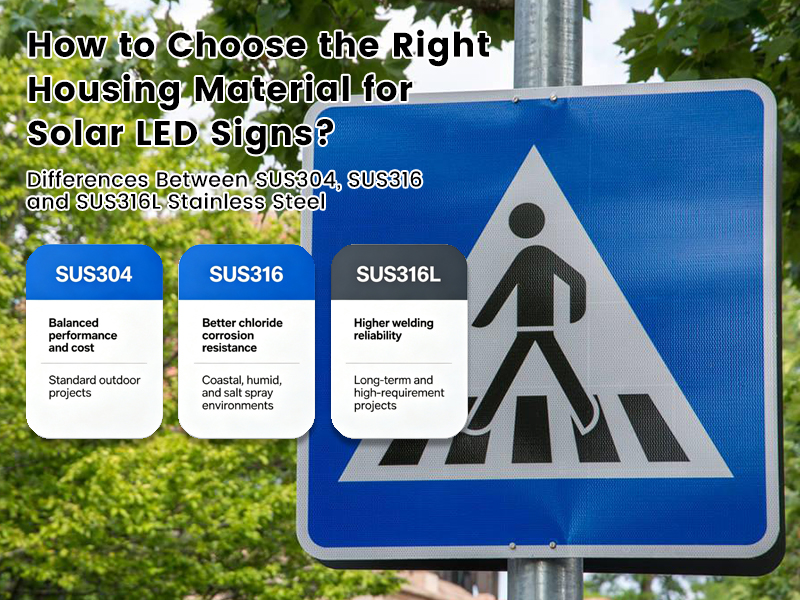
How to choose the right material for solar LED signs? This article explains the differences between 304, 316, and 316L stainless steel to help select the best option based on application needs.
How to Choose the Right Housing Material for Solar LED Signs? Differences Between SUS304, SUS316 and SUS316L Stainless Steel
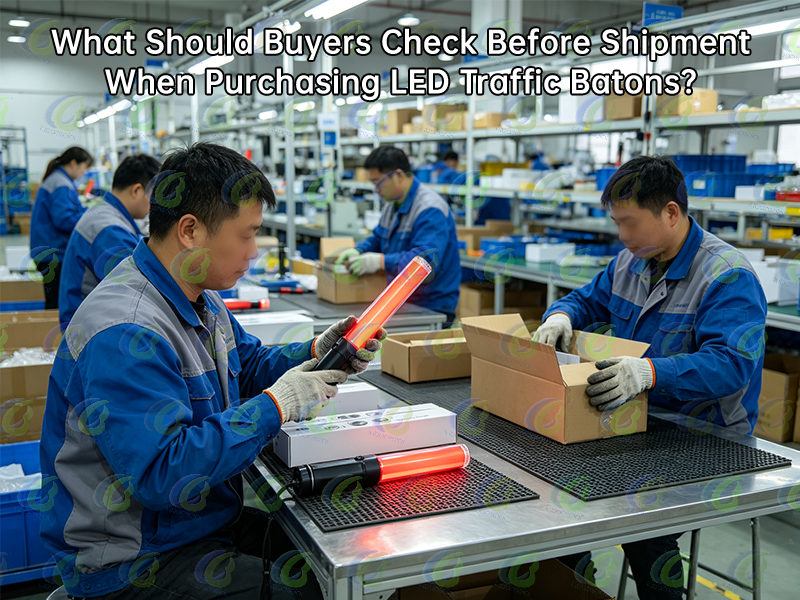
What should buyers check before purchasing LED Traffic Batons? Learn key pre-shipment inspection points, including lighting tests, battery checks, magnetic design, and quality control to choose a reliable LED Traffic Baton Supplier.
What Should Buyers Check Before Shipment When Purchasing LED Traffic Batons?丨lu-bao.com
