


Speed Bumps: Understanding Their Working Principle
author: Aaron
2024-12-12
Speed Bumps: Understanding Their Working Principle
Speed bumps are a common sight on roads, in parking lots, and near schools and residential areas. These simple yet effective devices play a crucial role in traffic safety. In this article, we will explore the working principle of speed bumps and why they are essential for ensuring the well-being of drivers, pedestrians, and the community.
What is a Speed Bump?

A speed bump is a raised hump on the road surface, typically made of rubber, plastic, or asphalt. Its purpose is to force drivers to slow down their vehicles. Speed bumps come in various shapes and sizes, but they all share the common goal of reducing vehicle speed.
How Do Speed Bumps Work?
-
Physical Obstruction: The most obvious way speed bumps work is by physically obstructing the path of a vehicle. When a driver approaches a speed bump, they must slow down to avoid a jarring impact. The height and shape of the speed bump make it uncomfortable to drive over at high speeds, encouraging drivers to reduce their speed.
-
Visual Cue: Speed bumps also serve as a visual cue for drivers. The presence of a speed bump alerts drivers to slow down and be more cautious. This visual reminder can be especially effective in areas where there may be pedestrians, such as school zones or residential neighborhoods.
-
Psychological Effect: In addition to the physical and visual aspects, speed bumps have a psychological effect on drivers. Knowing that they will have to slow down when approaching a speed bump makes drivers more aware of their speed and encourages them to drive more carefully. This heightened awareness can lead to safer driving habits overall.
Benefits of Speed Bumps
-
Enhanced Safety: The primary benefit of speed bumps is increased safety. By reducing vehicle speeds, speed bumps help prevent accidents and protect pedestrians, cyclists, and other vulnerable road users. In areas with high pedestrian traffic, speed bumps can be a crucial safety measure.
-
Traffic Calming: Speed bumps are an effective tool for traffic calming. They can help reduce speeding and aggressive driving, creating a more peaceful and orderly driving environment. This can lead to reduced noise pollution and improved quality of life for residents.
-
Protect Infrastructure: Slower speeds also help protect road infrastructure. By reducing the impact of vehicles on the road surface, speed bumps can extend the lifespan of roads and reduce the need for costly repairs.
Types of Speed Bumps
-
Standard Speed Bumps: These are the most common type of speed bump and are typically made of asphalt or rubber. They are usually rectangular in shape and have a height of around 3 to 4 inches.
-
Speed Humps: Speed humps are similar to speed bumps but are longer and flatter. They are designed to slow down vehicles gradually rather than causing a sudden jolt.
-
Raised Crosswalks: Raised crosswalks combine the function of a speed bump with a pedestrian crossing. They are raised above the road surface to slow down vehicles and provide a safer crossing for pedestrians.
Installation and Maintenance
Speed bumps are usually installed by local authorities or property owners. The installation process typically involves excavating the road surface, placing the speed bump, and then repaving around it. Regular maintenance is necessary to ensure that speed bumps remain effective. This may include checking for damage, repainting faded markings, and replacing worn-out speed bumps.
In conclusion, speed bumps are an important part of traffic safety and play a vital role in reducing vehicle speeds and protecting pedestrians. By understanding their working principle and benefits, we can appreciate the importance of these simple yet effective devices. Whether in a school zone, residential neighborhood, or parking lot, speed bumps help create a safer and more pleasant driving environment for everyone.
A Guide to Traffic Safety
Solar road studs play a crucial role in enhancing road safety through several mechanisms
Related Article

Learn how LS-68A red green LED road studs can be used in smart crosswalks, with practical guidance on installation, wiring, power supply and system testing.
How Do You Install Red Green LED Road Studs for Smart Crosswalks?
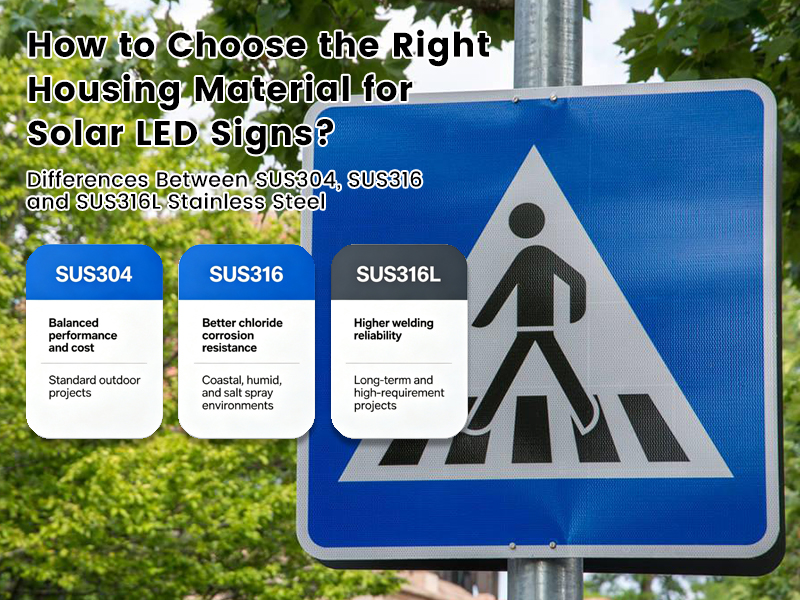
How to choose the right material for solar LED signs? This article explains the differences between 304, 316, and 316L stainless steel to help select the best option based on application needs.
How to Choose the Right Housing Material for Solar LED Signs? Differences Between SUS304, SUS316 and SUS316L Stainless Steel
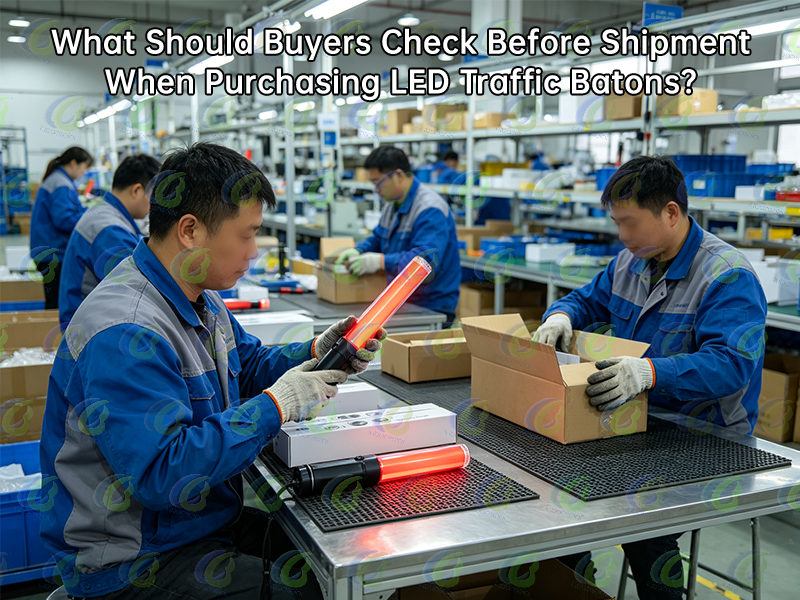
What should buyers check before purchasing LED Traffic Batons? Learn key pre-shipment inspection points, including lighting tests, battery checks, magnetic design, and quality control to choose a reliable LED Traffic Baton Supplier.
What Should Buyers Check Before Shipment When Purchasing LED Traffic Batons?丨lu-bao.com
