


A Guide to Traffic Safety
author: Aaron
2024-12-15
I. Introduction
A. The Significance of Traffic Safety
Traffic safety is of crucial significance in our daily lives, and its impact on everyone using the roads cannot be overemphasized. Firstly, it directly relates to the life and property safety of individuals. Every year, numerous tragic traffic accidents occur around the world, resulting in a large number of casualties and property losses. For example, some people lose their lives just because a driver runs through a red light or drives at an excessive speed. These accidents not only bring great pain to the families of the victims but also change the lives of those involved forever.
Moreover, traffic safety is essential for the whole society. Smooth traffic flow depends on everyone following traffic rules. If many people disregard traffic signals and drive recklessly, it will lead to traffic jams and chaos on the roads, affecting the efficiency of transportation and the normal operation of the city. In addition, a good traffic safety environment can enhance people's sense of security and well-being when they are traveling, whether they are walking on sidewalks, cycling, or driving vehicles.
In a word, only when each of us realizes that traffic safety is everyone's responsibility and strictly abides by traffic regulations can we create a safer and more orderly traffic environment on the roads.
II. Traffic Rules to Follow
A. Basic Rules for Pedestrians
Pedestrians play a vital role in traffic, and there are several key rules they need to abide by. Firstly, always use crosswalks when crossing the road. Crosswalks are designated areas specifically for pedestrians to safely get from one side of the street to the other. It's extremely dangerous to jaywalk, which means crossing the road at places other than the crosswalks.
Secondly, wait for the right signal before stepping onto the road. Traffic lights are there to regulate the flow of both vehicles and pedestrians. When the pedestrian signal indicates it's safe to cross (usually a green walking figure or a white light), then it's time to move. Don't try to cross when the signal is red or flashing red, as vehicles may have the right of way at those times.
Moreover, look both ways carefully before crossing the street. Even when you have the right signal, it's essential to check that no vehicles are coming from either direction, especially those that might be turning or not following the rules properly. This simple act of looking left and right can prevent many potential accidents and keep you safe while on foot.
B. Rules for Cyclists
Cyclists also have a set of necessary traffic rules to follow to ensure their safety on the road. To begin with, ride on the correct side of the road. In most countries, cyclists are supposed to ride on the right-hand side of the roadway, just like motor vehicles. Riding in the opposite direction is not only against the rules but also highly dangerous as it can lead to head-on collisions with other vehicles or cyclists.
Signaling turns is another crucial aspect. Just like drivers of cars, cyclists should use hand signals to indicate when they are about to turn left or right. For example, to signal a left turn, extend your left arm straight out to the side. For a right turn, you can either extend your right arm straight out or bend your left arm at the elbow and point upwards with your hand. Signaling well in advance helps other road users know your intentions and react accordingly.
Furthermore, cyclists must obey traffic lights. Red means stop, green means go, and yellow means prepare to stop. Ignoring traffic signals can cause chaos on the roads and put yourself and others at risk. Additionally, it's advisable to wear a helmet at all times while cycling. A helmet can provide essential protection in case of an accident and greatly reduce the risk of serious head injuries.
C. Rules for Motorists
Motorists have important regulations that they must adhere to for maintaining safe driving conditions. One of the fundamental rules is to abide by the speed limits. Speed limits are set for different areas depending on factors like the type of road (residential, highway, etc.) and the level of traffic. Driving at excessive speeds not only reduces your ability to react in time to unexpected situations but also increases the severity of any potential accidents.
Giving way rules are also critical. For instance, at intersections where there are stop signs or yield signs, you must give way to other vehicles or pedestrians who have the right of way. When merging onto a highway, yield to the traffic already on the main road. Understanding and following these giving way rules helps to keep the traffic flowing smoothly and avoid collisions.
Last but not least, never drive under the influence of alcohol or drugs. Driving while impaired seriously affects your judgment, reaction time, and coordination, making it extremely dangerous for yourself and everyone else on the road. Even a small amount of alcohol can have a negative impact on your driving abilities. So, if you've been drinking, it's best to use a designated driver, take a taxi, or use public transportation instead of getting behind the wheel.
III. Key Traffic Safety Products

A. Helmets
Helmets are essential safety gear for cyclists and motorcyclists. They play a vital role in safeguarding the head during accidents. In case of a fall or collision, a helmet absorbs the impact force, significantly reducing the risk of serious head injuries such as traumatic brain injuries. Studies have shown that those who wear helmets are much less likely to suffer severe head damage compared to those who don't.
There are various types of helmets available in the market. For example, full-face helmets offer comprehensive protection as they cover the entire head, including the face, which is especially beneficial for motorcyclists who ride at higher speeds. Open-face helmets, on the other hand, provide good ventilation and a wider field of vision, yet they leave the face exposed. There are also half-shell helmets which are lighter and more commonly used by cyclists in urban areas where the riding speed is relatively lower.
B. Seat Belts
Seat belts are of great importance in cars and other vehicles. When a vehicle is involved in a collision, seat belts restrain the occupants in their seats, preventing them from being thrown forward or out of the vehicle. They distribute the force of the impact across the stronger parts of the body like the chest and hips, thus reducing the risk of serious internal injuries.
In many countries and regions, there are strict laws regarding the use of seat belts. For instance, it is compulsory for all drivers and passengers in the front seats to fasten their seat belts while the vehicle is in motion. In some areas, even passengers in the rear seats are required by law to wear seat belts. The shoulder belt helps to keep the upper body in place, and the lap belt secures the lower body, working together to enhance safety.
C. Child Safety Seats
Child safety seats are an absolute necessity for young passengers. Children, especially those who are too small to use regular seat belts properly, are at high risk of serious injury in case of an accident without the proper restraint. Different models of child safety seats are designed for various age groups. For infants, rear-facing car seats are recommended as they provide better support and protection for the baby's delicate neck and spine. As children grow older and reach a certain weight and height, convertible seats that can be adjusted or forward-facing seats can be used.
Proper installation of child safety seats is crucial. It should be firmly fixed to the vehicle's seat according to the manufacturer's instructions. Parents or caregivers also need to make sure that the child is correctly strapped into the seat. Some modern vehicles even have specific anchoring systems to make the installation of child safety seats more convenient and secure.
D. Reflective Gear
Reflective gear like reflective vests, armbands, etc. is extremely useful for pedestrians and cyclists, especially during low light or night-time conditions. When drivers are on the road in the dark, it can be difficult for them to spot people on foot or on bikes. Reflective gear enhances the visibility of pedestrians and cyclists by reflecting the light from vehicle headlights, making them more noticeable to drivers from a distance.
For example, a pedestrian wearing a reflective vest while walking along a road at night is much more likely to be seen by approaching cars in time, allowing the drivers to react and slow down or change lanes if necessary. Cyclists can also attach reflective strips to their bikes or wear reflective armbands to increase their visibility on the road after sunset or in foggy weather.
IV. Common Traffic Hazards and How to Avoid Them

A. Distracted Driving
Distracted driving is extremely dangerous and has become a major cause of traffic accidents in recent years. There are various forms of distractions that drivers often face. For example, using mobile phones while driving is a common and serious distraction. Some drivers may be tempted to answer calls, send text messages, or even check social media, which takes their attention away from the road and the traffic situation. Just a few seconds of looking down at the phone can lead to a disastrous collision as they may not notice a vehicle braking suddenly in front or a pedestrian crossing the street.
Eating or drinking while driving is another form of distraction. When you are busy unwrapping food or taking a sip from a cup, your hands are occupied and your focus is divided between the task of eating and driving safely. Moreover, being otherwise distracted like adjusting the radio, chatting with passengers too vigorously, or even daydreaming can also impair your ability to react promptly to unexpected events on the road.
To avoid these distractions, it's crucial to develop good driving habits. Firstly, always put your mobile phone on silent or turn it off completely before starting to drive and place it out of reach, such as in the glove compartment or the back seat. If you expect an important call, pull over to a safe place like a roadside parking area or a rest stop before answering it. When it comes to eating or drinking, it's better to have them before or after your journey instead of during driving. And try to adjust the radio or other in-car settings before you hit the road. Also, keep your mind focused on driving and avoid getting overly engaged in conversations that might make you lose concentration on the traffic around you.
B. Speeding
Speeding poses significant risks on the road. When a vehicle is traveling at a high speed, the driver's reaction time is greatly reduced. In normal driving conditions at an appropriate speed, if something unexpected happens, like a car suddenly pulling out in front or a child running onto the street, the driver has a relatively sufficient amount of time to react by braking or swerving to avoid a collision. However, when speeding, the time available to respond becomes much shorter. For instance, if you're driving at double the speed limit, you may only have half the reaction time you would have at the legal speed.
Moreover, speeding increases the severity of accidents. The impact force in a collision is proportional to the square of the speed. So, even a small increase in speed can lead to a much more serious outcome. For example, a minor fender-bender at a low speed might just result in some scratches on the cars and minor injuries at most. But if the same situation occurs at a high speed, it could cause the vehicles to be severely damaged, and the occupants are more likely to suffer from serious injuries like fractures, internal bleeding, or even life-threatening conditions.
Therefore, it's of utmost importance to adhere to speed limits. Speed limits are set based on various factors such as the type of road (residential areas usually have lower limits to protect pedestrians and property, while highways may have higher but still regulated limits), visibility conditions, and traffic density. Always pay attention to the speed limit signs along the road and use your speedometer regularly to ensure you're driving within the allowed speed range. Remember, driving at a safe and legal speed not only protects your own life but also the safety of other road users.
C. Drunk Driving
Drunk driving is an extremely serious offense with dire consequences. When a person consumes alcohol, it affects their nervous system, impairing their judgment, reaction time, and coordination abilities. For example, they may misjudge the distance between their vehicle and others, have difficulty reacting quickly to traffic signals changing or obstacles on the road, and may not be able to control the steering wheel or brakes effectively.
Legally, there are specific blood alcohol concentration (BAC) limits set in different regions to define drunk driving. In many places, a BAC of 0.08% or higher is considered illegal for driving. However, even a small amount of alcohol can have a negative impact on driving skills. Even if your BAC is below the legal limit but you still feel the effects of alcohol, it's not safe to drive.
To prevent people from getting behind the wheel after consuming alcohol, there are several effective ways. One is to use designated drivers. When you go out for a social gathering where alcohol will be involved, arrange in advance for one person in the group who will refrain from drinking and be responsible for driving everyone home safely. Another option is to take advantage of ride-sharing services like Uber or Lyft. These services are convenient and can provide a safe way to get back home without having to drive under the influence. Additionally, public transportation such as buses or subways can also be a good alternative if available in your area. In any case, always remember that drunk driving not only endangers your own life but also the lives of innocent people on the road, and it's never worth the risk.
V. The Role of Infrastructure in Traffic Safety

A. Well-Designed Roads
Proper road design plays a significant role in enhancing traffic safety. Firstly, clear signage is essential. Signs that indicate directions, speed limits, and upcoming hazards help drivers make informed decisions. For example, a sign showing a sharp curve ahead warns drivers to slow down in advance, reducing the risk of losing control of the vehicle.
Good lighting is also crucial, especially on roads that are frequently used at night or in areas with poor visibility. Adequate streetlights along the roadway allow drivers to clearly see the road surface, other vehicles, and any pedestrians or cyclists. This enables them to react promptly to any potential obstacles.
Appropriate lane markings contribute to orderly traffic flow. Solid white lines separate lanes going in the same direction, while yellow lines mark the boundary between lanes for opposing traffic. Broken lines indicate where it's safe to change lanes. When lane markings are clear and visible, drivers can maintain their positions properly and make lane changes safely, minimizing the chances of collisions. In conclusion, well-designed roads with these features create a safer environment for all road users.
B. Traffic Signals and Signs
Traffic signals and signs are vital for guiding drivers, cyclists, and pedestrians on the roads. Traffic lights, such as red, green, and yellow ones at intersections, have specific meanings. Red signals tell drivers and cyclists to stop, ensuring that cross traffic can proceed safely. Green lights give the right of way to proceed, while yellow serves as a warning to prepare to stop. Pedestrians also rely on these signals, with a white walking figure or a green light indicating it's safe to cross the street.
Different signs convey various instructions and warnings. For instance, stop signs require vehicles to come to a complete halt at the intersection. Yield signs tell drivers to give way to other vehicles or pedestrians who have the right of way. Warning signs, like those showing a deer crossing or a slippery road ahead, alert drivers to potential hazards so they can adjust their speed and driving behavior accordingly.
Understanding and following these traffic signals and signs is of utmost importance. It helps maintain an orderly traffic flow and prevents chaos and accidents. When everyone obeys these visual cues, the roads become a much safer place for everyone traveling on them.
VI. Conclusion

A. Summarizing Traffic Safety Tips
In conclusion, traffic safety is a vital aspect that impacts everyone's daily life. We've covered several key aspects to ensure safety on the roads. Firstly, knowing and following traffic rules is essential for pedestrians, cyclists, and motorists alike. Pedestrians should use crosswalks, wait for the right signal, and look both ways before crossing. Cyclists must ride on the correct side, signal turns, obey traffic lights, and always wear helmets. Motorists need to abide by speed limits, follow giving way rules, and never drive under the influence.
Secondly, the use of traffic safety products can't be overlooked. Helmets for cyclists and motorcyclists protect the head during accidents. Seat belts in cars restrain occupants and reduce the risk of serious injuries. Child safety seats are crucial for young passengers, and reflective gear enhances the visibility of pedestrians and cyclists in low light conditions.
Moreover, being aware of common traffic hazards like distracted driving, speeding, and drunk driving, and taking steps to avoid them is equally important. Lastly, well-designed infrastructure including clear signage, proper lighting, and functional traffic signals and signs all contribute to a safer traffic environment. By keeping these points in mind and implementing them in our daily travels, we can significantly reduce the risks on the roads and ensure our own safety as well as that of others.
B. Encouraging Safe Practices
We should always prioritize traffic safety in our lives and encourage those around us to do the same. Every decision we make while on the road, whether it's choosing to wear a seat belt, waiting for the green light, or driving within the speed limit, can have a significant impact on the overall safety of the traffic environment. Encourage your family, friends, and colleagues to follow traffic rules and use safety products properly. If you see someone engaging in dangerous behavior like speeding or distracted driving, gently remind them of the potential consequences. By creating a culture where everyone values traffic safety, we can work together to make our roads safer for everyone. Let's take responsibility for our own actions and inspire others to do the same, because every small step towards safer driving, walking, or cycling counts in building
do not enter traffic sign
Speed Bumps: Understanding Their Working Principle
Related Article
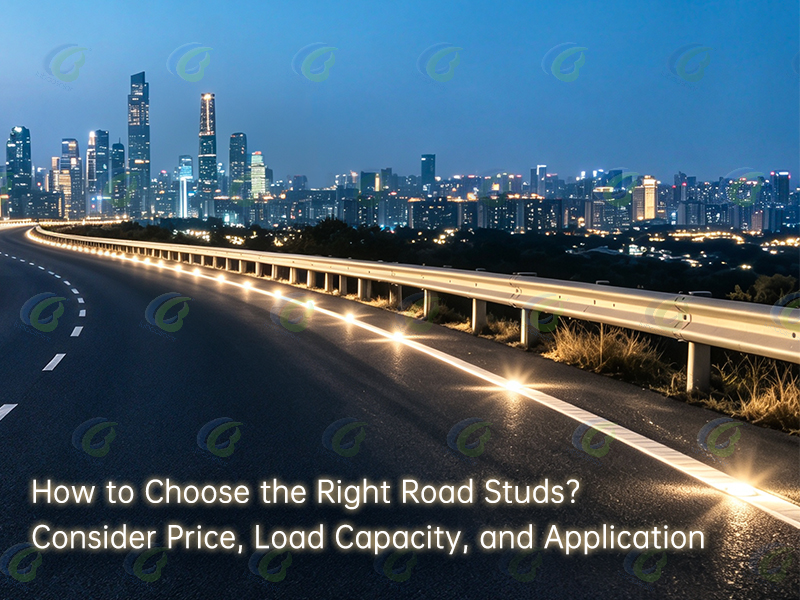
How do you choose the right road studs? Compare price, materials, load capacity, and installation locations to find the right reflective, solar, or heavy-duty road studs.
How to Choose the Right Road Studs? Consider Price, Load Capacity, and Application

Learn how LS-68A red green LED road studs can be used in smart crosswalks, with practical guidance on installation, wiring, power supply and system testing.
How Do You Install Red Green LED Road Studs for Smart Crosswalks?
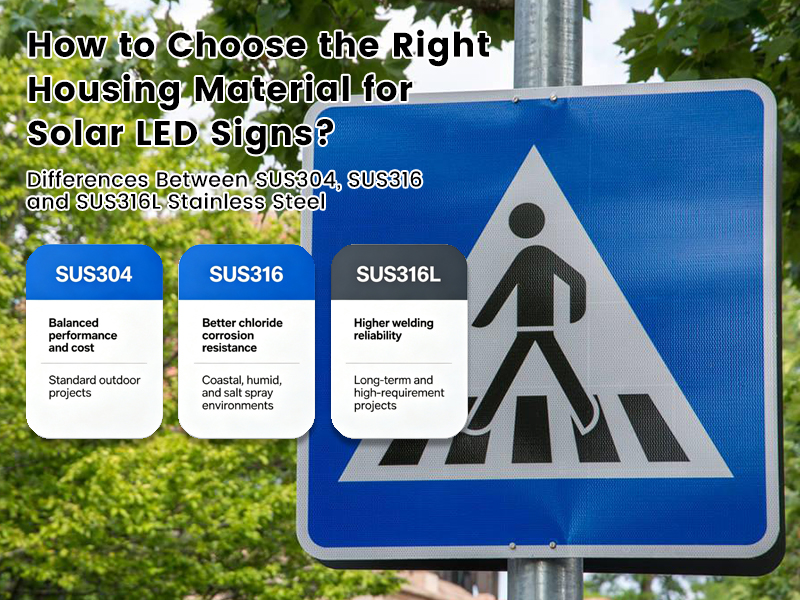
How to choose the right material for solar LED signs? This article explains the differences between 304, 316, and 316L stainless steel to help select the best option based on application needs.
How to Choose the Right Housing Material for Solar LED Signs? Differences Between SUS304, SUS316 and SUS316L Stainless Steel
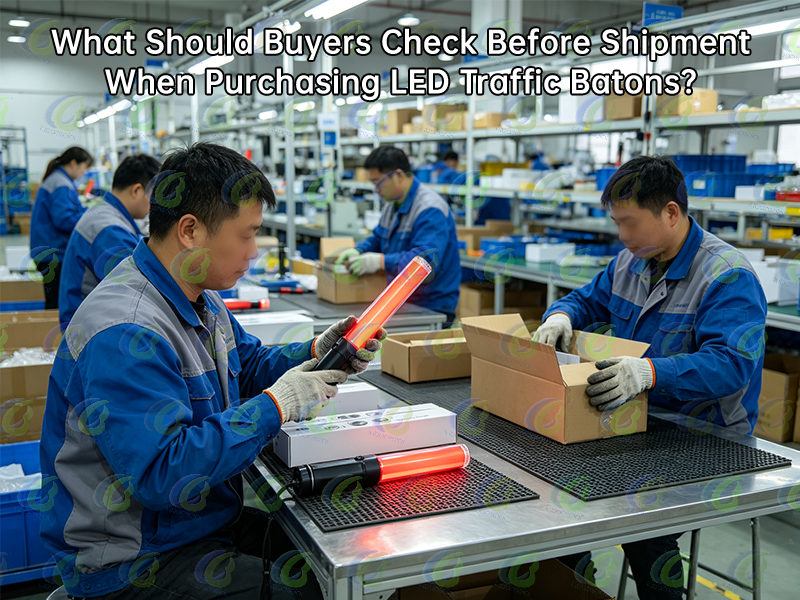
What should buyers check before purchasing LED Traffic Batons? Learn key pre-shipment inspection points, including lighting tests, battery checks, magnetic design, and quality control to choose a reliable LED Traffic Baton Supplier.
What Should Buyers Check Before Shipment When Purchasing LED Traffic Batons?丨lu-bao.com