
Choosing the Right Warm White Color Temperature for Solar Road Studs
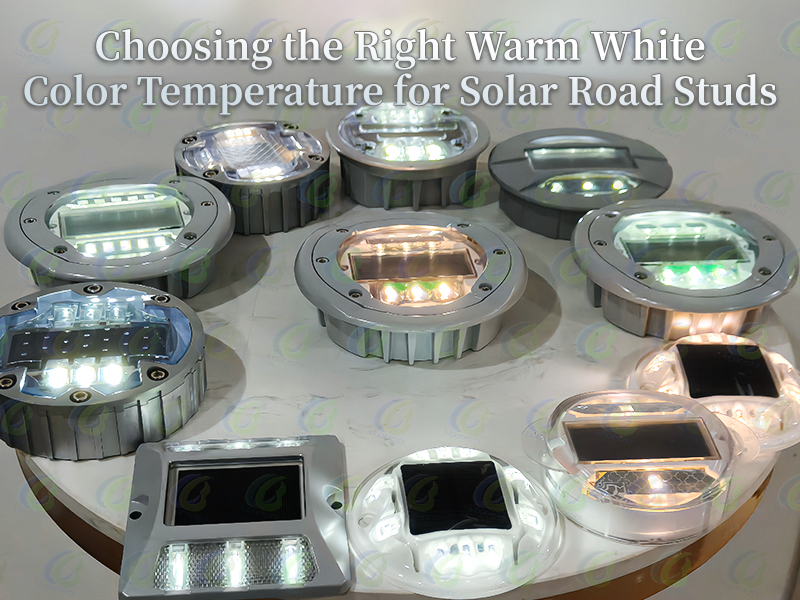
Choosing the Right Warm White Color Temperature for Solar Road Studs
Introduction: Warm white is not just one color. Different solar road stud applications require different color temperatures. Discover how 6000K, 4000K, 3000K, and 2500K lighting solutions improve road safety, cycle lane visibility, and landscape aesthetics.
Warm White Isn't Just One Color
Many people assume that warm white lighting is a single color. In reality, warm white covers a range of color temperatures, each creating a unique visual effect and user experience.
For solar road studs, selecting the right color temperature is essential for achieving the ideal balance between visibility, safety, and aesthetics. Different environments require different lighting appearances, whether for highways, cycle lanes, pedestrian pathways, parks, tourism attractions, or smart city projects.
At Lubao Smart Traffic Co., Ltd., we have developed multiple warm white color temperature options to meet diverse project requirements worldwide.
1. Cool White – 6000K
Key Features
- Brightest visual appearance
- Maximum visibility and contrast
- Modern and clean lighting effect
- Excellent long-distance recognition
Recommended Applications
- Highways
- Urban roads
- Intersections
- Traffic safety projects
- Road delineation systems
The 6000K cool white option is ideal for projects where maximum visibility and road safety are the primary objectives.
2. Pure White – 4000K
Key Features
- Neutral white appearance
- Comfortable visual experience
- Balanced brightness and warmth
- Reduced glare compared to 6000K
Recommended Applications
- Cycle lanes
- Municipal roads
- Commercial districts
- Public walkways
- Smart city infrastructure
The 4000K pure white color temperature provides an excellent balance between road visibility and visual comfort.
3. Warm White – 3000K
Key Features
- Soft and welcoming appearance
- Comfortable nighttime atmosphere
- Reduced visual fatigue
- Enhanced landscape aesthetics
Recommended Applications
- Parks
- Pedestrian pathways
- Garden landscapes
- Tourism attractions
- Waterfront developments
The 3000K warm white option creates a pleasant environment while maintaining effective guidance and safety.
4. Extra Warm White – 2500K
Key Features
- Golden warm glow
- Premium visual appearance
- Comfortable and relaxing atmosphere
- Excellent decorative effect
Recommended Applications
- Sakura flower pathways
- Scenic trails
- Resorts and hotels
- Heritage sites
- Luxury landscape projects
The 2500K extra warm white color temperature delivers a beautiful golden appearance that blends naturally into outdoor environments.
Color Temperature Comparison
| Color Temperature | Appearance | Visibility | Best Applications |
|---|---|---|---|
| 6000K | Cool White | Excellent | Highways, Roads, Intersections |
| 4000K | Pure White | Very Good | Cycle Lanes, Municipal Roads |
| 3000K | Warm White | Good | Parks, Pathways, Landscapes |
| 2500K | Extra Warm White | Good | Sakura Paths, Resorts, Scenic Areas |
Why Color Temperature Matters
Choosing the right LED color temperature for solar road studs can improve road safety, enhance driver guidance, increase pedestrian visibility, reduce glare, and create the desired landscape atmosphere.
There is no single best color temperature. The ideal solution depends on the project environment, safety requirements, and visual objectives.
About Lubao Smart Traffic Co., Ltd.
Lubao Smart Traffic Co., Ltd. specializes in the design and manufacture of solar road studs, solar pavement markers, LED traffic signs, radar speed signs, solar warning lights, and intelligent traffic safety solutions. With over 15 years of industry experience, Lubao products are trusted in highways, cycle lanes, pedestrian pathways, smart cities, and landscape lighting projects worldwide.
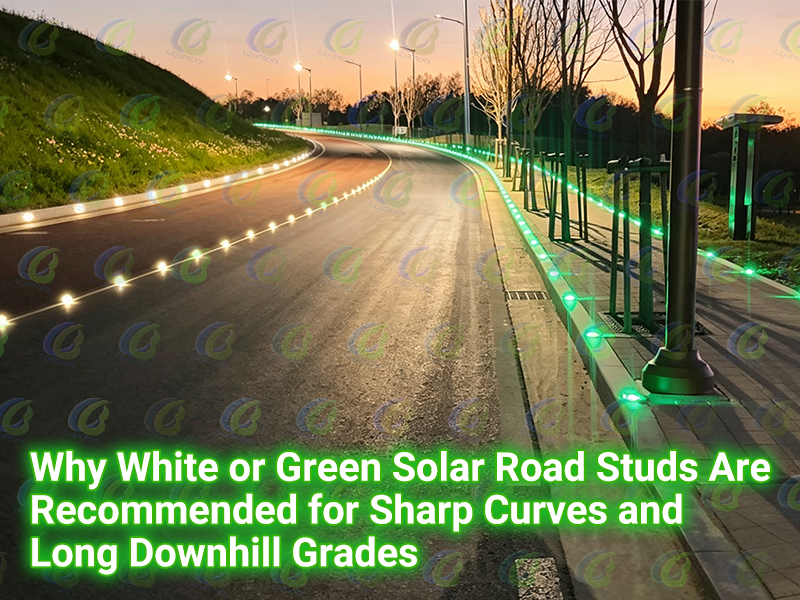
Roadway Delineation: Why White or Green Solar Road Studs Are Recommended for Sharp Curves and Long Downhill Grades
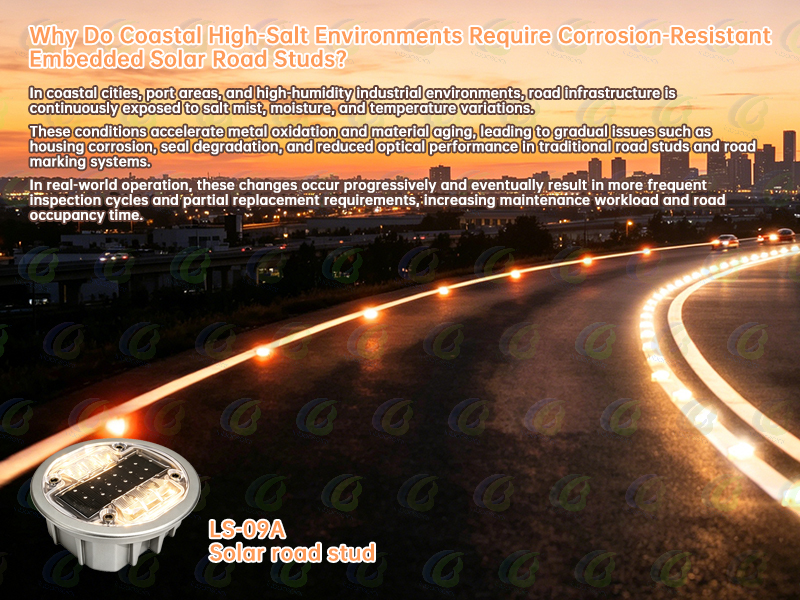
Why Do Coastal High-Salt Environments Require Corrosion-Resistant Embedded Solar Road Studs?
Related Article