
How Do GPS Synchronized Solar Road Studs Work and Can Different Types Be Used Together?
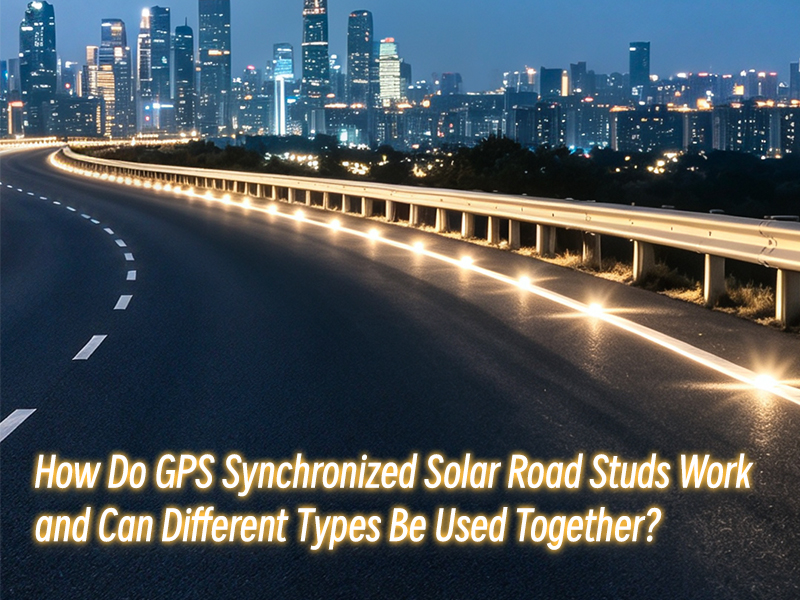
How Do GPS Synchronized Solar Road Studs Work and Can Different Types Be Used Together?
GPS synchronized solar road studs help create a coordinated lighting pattern along roads without requiring wired connections between individual studs. But can different types of solar road studs work together in the same synchronized system? And how should buyers select the right specifications for different installation areas?
This article explains how GPS synchronization works, where these road studs can be used, and how different LUBAO models can be combined to meet the requirements of a road project.
Table of Contents
1. What Are the Benefits of GPS Synchronization?
2. How Do GPS Synchronized Solar Road Studs Work?
3. Can Different Types of GPS Solar Road Studs Work Together?
4. Where Are GPS Synchronized Solar Road Studs Used?
1. What Are the Benefits of GPS Synchronization?
Conventional solar road studs generally operate according to their own built-in control programs. Their flashing patterns are not necessarily synchronized with nearby units. GPS synchronized solar road studs use a shared time reference to coordinate their LED flashing, creating a more consistent lighting effect across a road section.
Consistent Flashing Patterns
When multiple road studs flash at the same time, drivers can see a more organized and coordinated lighting pattern. This is particularly useful on road sections where continuous visual guidance is important.
Clearer Road Guidance
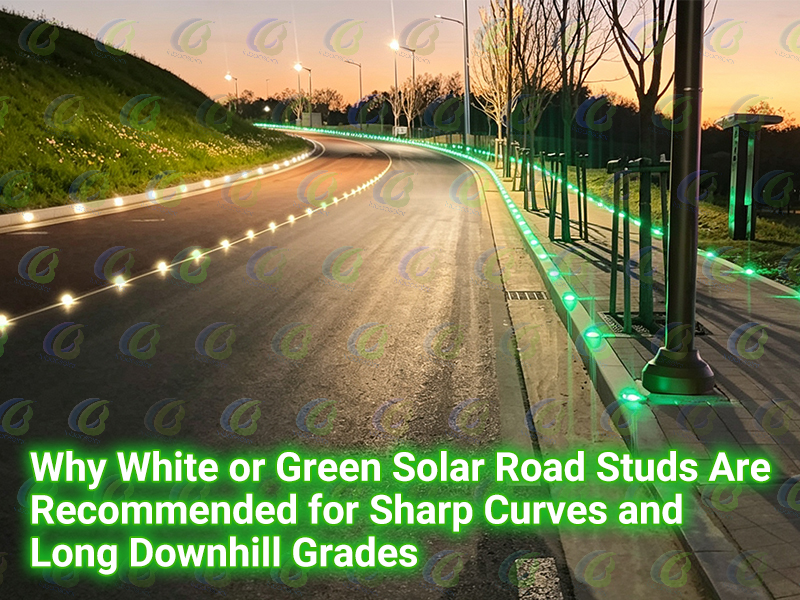
Installed in a sequence, synchronized LED road studs can create a continuous line of light to help drivers recognize road boundaries, curves, and changes in road alignment, especially at night.
No Wired Synchronization Connection Between Studs
GPS synchronization eliminates the need for a dedicated signal cable connecting individual road studs. This can simplify installation planning, particularly for projects involving long road sections or multiple installation points.
2. How Do GPS Synchronized Solar Road Studs Work?
The synchronization process is based on time signals provided by GPS satellites. Each road stud receives the satellite time reference through its built-in GPS module, while its internal control system uses this reference to coordinate the LED flashing schedule.
The basic process is straightforward:
- GPS satellites provide a common time reference.
- The GPS module inside each road stud receives the time signal.
- The control system adjusts the LED flashing according to the shared timing reference.
- Multiple road studs follow a coordinated flashing pattern.
GPS time synchronization is also widely used in communication networks and power systems, where devices need to follow a common time reference. In solar road studs, this technology helps coordinate lighting without relying on a wired connection between units.
3. Can Different Types of GPS Solar Road Studs Work Together?
Yes. Different specifications of LUBAO GPS synchronized solar road studs can be used together in the same project. As long as the products are LUBAO GPS synchronized models using the same GPS synchronization system, they can maintain a coordinated flashing pattern.
This gives project buyers more flexibility when selecting road studs for different installation areas. Rather than using one construction type everywhere, they can choose suitable materials and structures according to the actual road conditions while maintaining consistent lighting.
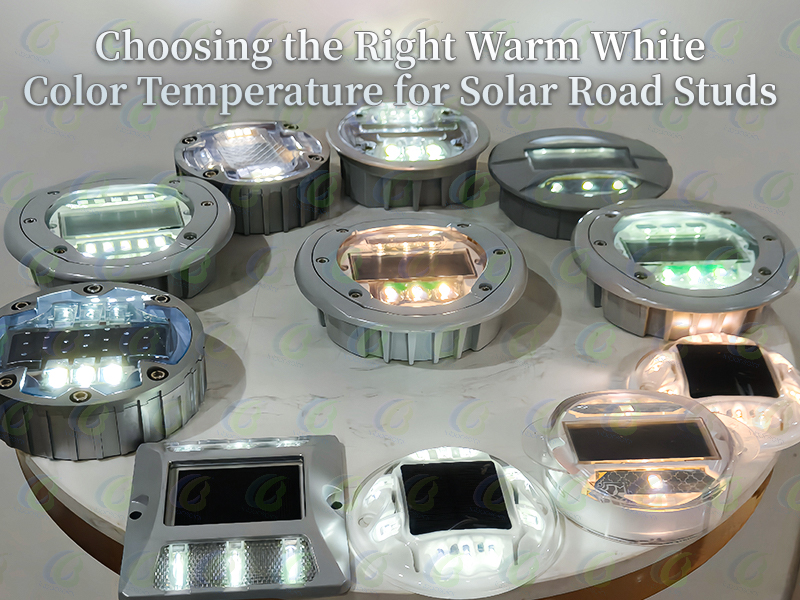
Plastic Solar Road Studs for Roadside Areas
Plastic solar road studs such as the LUBAO LS-07 are suitable for areas where vehicles do not directly drive over the units, such as certain roadside sections. Their construction makes them an option for projects where direct vehicle loading is not required.
Aluminum Solar Road Studs for Areas with Higher Load Requirements
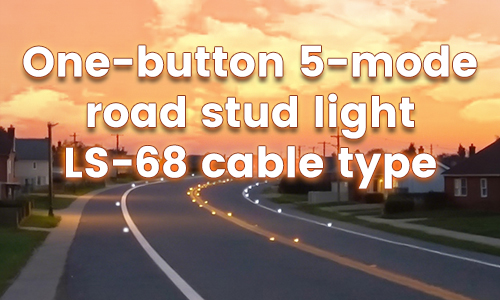
For installation areas with greater load requirements, aluminum solar road studs such as the LS-68 and LS-68A can be considered. The suitable model should be selected according to the installation position, expected traffic conditions, and product specifications.
For example, a road project may use LS-07 plastic solar road studs along suitable roadside sections and LS-68 or LS-68A aluminum models in areas where a different structural specification is required.
Different specifications serve different installation requirements, while GPS synchronization keeps their flashing patterns coordinated. This allows project buyers to select products based on actual site conditions instead of compromising on one specification for the entire road.
4. Where Are GPS Synchronized Solar Road Studs Used?
GPS synchronized solar road studs are suitable for road projects where coordinated lighting can improve visual guidance. Common applications include:
Highways and Road Edges
Installed along suitable road boundaries, synchronized solar road studs can provide a visible lighting line to help drivers recognize the road layout at night.
Curves and Continuous Bends
On curved road sections, a sequence of synchronized LED lights can make the road alignment easier to recognize, helping drivers follow the direction of the road.
Intersections and Road Entrances
At selected intersections, access roads, and entrances, synchronized lighting can help highlight road layouts and guide approaching traffic.
Pedestrian Areas and Crossings
Solar road studs can also be considered for selected pedestrian areas and crossings, depending on the installation design, traffic conditions, and required load capacity.
The actual application should always be determined by the road layout, installation position, local traffic requirements, and the specifications of the selected product.
5. How to Choose the Right GPS Solar Road Studs?
When purchasing GPS synchronized solar road studs for a road project, buyers should consider more than the synchronization function. The product must also match the installation environment and expected operating conditions.
| Selection Factor | What to Check |
|---|---|
| Installation Position | Determine whether the road stud will be installed on a roadside, pedestrian area, or a section exposed to direct vehicle traffic. |
| Housing Material | Choose plastic, aluminum, or aluminum-and-PC construction according to the application and structural requirements. |
| Load Capacity | Check the product's specified load capacity and test conditions against the expected traffic and installation environment. |
| Waterproof Rating | Consider the waterproof protection required for outdoor installation and exposure to rain or standing water. |
| Battery Capacity | Check battery capacity and expected operating time to ensure the product can meet the project's lighting requirements. |
| Solar Charging | Consider the solar panel, daily sunlight exposure, and local weather conditions when evaluating charging performance. |
| LED Configuration | Confirm the LED color, lighting direction, and flashing pattern required for the project. |
For most projects, installation position and load requirements should be considered first. These factors help determine whether plastic or aluminum solar road studs are more suitable.
Battery capacity and solar charging performance are also important. During extended cloudy or rainy periods, charging may be reduced. The actual operating time depends on battery storage, charging conditions, and power consumption.
6. Frequently Asked Questions
Can different specifications of GPS solar road studs synchronize?
Yes. Different LUBAO GPS synchronized solar road stud models can work together with coordinated flashing. Buyers can combine suitable specifications according to different installation positions and load requirements.
Do GPS synchronized solar road studs require an internet connection?
No. The built-in GPS module receives time signals directly from satellites. An internet connection is not required for the synchronization function.
Does rainy weather affect GPS synchronization?
GPS synchronization and solar charging are two different functions. Rainy weather mainly affects solar charging conditions. Actual synchronization depends on the availability of GPS signals, while operating time depends on the battery's stored energy and power consumption.
Can GPS solar road studs work at night?
Yes. The built-in battery supplies power to the LEDs and control system at night. When GPS signals are available, the road studs can continue following their coordinated flashing schedule.
What is the difference between GPS synchronized and ordinary solar road studs?
The main difference is the synchronization function. Ordinary solar road studs generally operate according to their own control programs, while GPS synchronized models use a common satellite time reference to coordinate flashing across multiple units.
Looking for GPS Synchronized Solar Road Studs?
Whether your project requires plastic solar road studs, aluminum solar road studs, or a combination of different specifications, LUBAO can help you select suitable products according to your road installation requirements.
LUBAO SMART TRAFFIC CO., LIMITED
GPS Synchronized Solar Road Stud Supplier
Email: yiloca@lu-bao.com
WhatsApp: +86 18927353136
Website: www.lu-bao.com
Why Are Solar Road Studs Not Working? Common Causes and Prevention Tips
Related Article