

Dotted Line Pavement Markings: Enhancing Safety with Solar-Powered Flashing or Freezing Lights
author: Eng.Wu
2024-12-02
Dotted Line Pavement Markings: Enhancing Safety with Solar-Powered Flashing or Freezing Lights
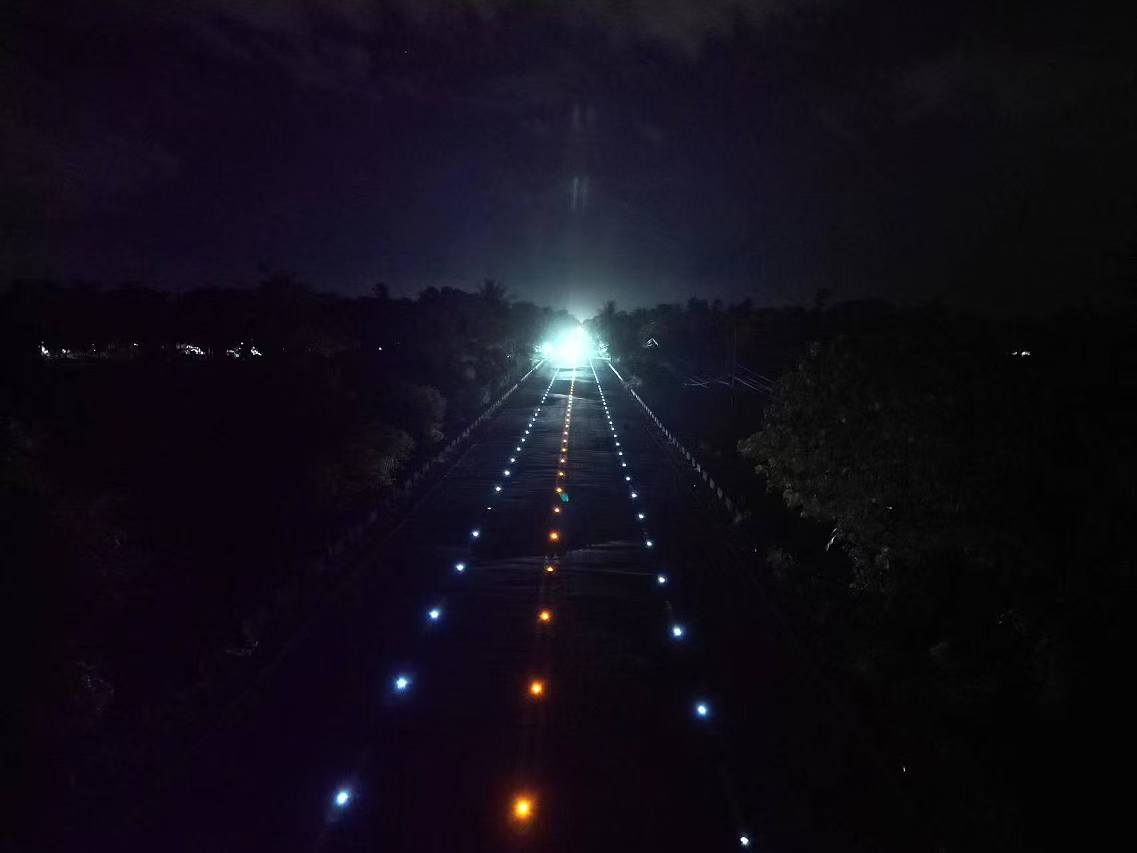
Dotted line pavement markings are commonly used to indicate areas where lane changes are allowed or where lanes divide. They provide critical guidance to drivers, especially in complex or high-traffic areas. However, during nighttime driving or in low-visibility conditions, these markings alone may not provide sufficient guidance. This is where solar-powered pavement markers come into play, improving visibility and safety.
Two types of lighting features can be used with solar-powered pavement markers: flashing lights and freezing lights. Let's explore both options and see which would be more effective when used with dotted line pavement markings.
What Do Dotted Line Pavement Markings Indicate?
Dotted or broken lines on the road serve several purposes:
- Allow Lane Changes: Dotted lines indicate areas where drivers are permitted to change lanes, as long as it is safe.
-
Separate Lanes: These markings are often used to separate lanes moving in the same direction, such as on highways or multi-lane roads.
-
Guide Traffic Flow: Dotted lines also help guide traffic through intersections, exit ramps, or merging areas.
However, in certain conditions, such as at night or in foggy weather, these markings may not be as visible. Enhancing these markings with solar-powered pavement markers can provide additional clarity and safety.
Flashing Lights vs. Freezing Lights for Dotted Line Pavement Markings
Flashing Lights
-
Function: Flashing lights are often used to attract immediate attention. When installed in conjunction with dotted line markings, they can signal upcoming lane changes or potential hazards.
-
Best Use Case: Flashing lights are ideal for high-traffic areas, intersections, or zones where immediate driver attention is needed (e.g., approaching a sharp curve or a merging area).
-
Visibility: Flashing lights are highly visible in low-light conditions and at night, making them effective for alerting drivers to upcoming lane transitions.
-
Effectiveness: Flashing lights work well for marking zones where lane changes or transitions may occur unexpectedly. They can effectively alert drivers to make safe decisions.
Freezing Lights
-
Function: Freezing lights typically remain static but are designed to provide consistent, steady illumination. They are often used to mark boundaries and provide continuous guidance.
-
Best Use Case: Freezing lights are better suited for more consistent, long-term guidance along the dotted lines. They help drivers follow lane boundaries, especially in areas with consistent traffic flow.
-
Visibility: Freezing lights offer steady illumination, which can be particularly useful in environments where vehicles are moving at high speeds, such as highways or expressways.
-
Effectiveness: Freezing lights provide continuous, clear guidance along the dotted lines, helping drivers stay in their lanes even under low-visibility conditions. They can be especially beneficial on long stretches of road with continuous lane markings.
Which Function is Better for Dotted Line Pavement Markings?
While both flashing lights and freezing lights have their benefits, freezing lights are generally more effective when paired with dotted line pavement markings. Here's why:
-
Continuous Guidance: Dotted lines are already guiding drivers to change lanes or follow lane boundaries. Freezing lights provide a consistent, steady illumination that complements the function of the dotted lines, ensuring continuous visibility and clearer lane guidance.
-
Improved Nighttime Safety: Since dotted lines are often used in areas with frequent lane changes, having freezing lights provide steady illumination can help drivers maintain awareness of their lane boundaries, especially in dark conditions or during inclement weather.
-
Energy Efficiency: Freezing lights can operate continuously without consuming excessive energy, which is important for solar-powered pavement markers that need to last throughout the night.
However, flashing lights could still be useful in specific areas where immediate driver attention is needed, such as near intersections or merge points where lane changes are frequent and sudden.
Conclusion
Incorporating solar-powered pavement markers into dotted line markings significantly enhances road safety, especially at night or in poor visibility conditions. While flashing lights are great for attracting immediate attention, freezing lights are more effective for providing continuous, clear guidance along dotted lines, improving overall safety for drivers. Both technologies play crucial roles in enhancing road visibility and ensuring that drivers can navigate safely, especially in challenging road conditions.
How Can Pavement Markings Indicate and Enhance Traffic Safety?
How Red Pavement Markings and Reflective Road Technology Enhance
Related Article
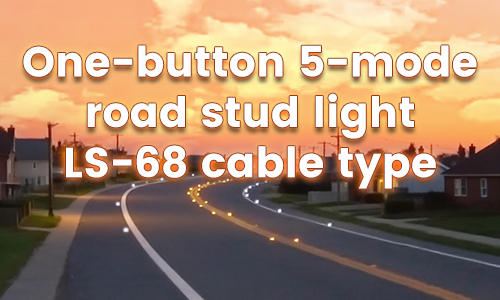
Wired LED Road Studs provide stable illumination and reliable road guidance for highways, tunnels, and traffic engineering projects with durable design and reduced maintenance needs.
Why Wired LED Road Studs Are Ideal for Highway and Tunnel Applications?
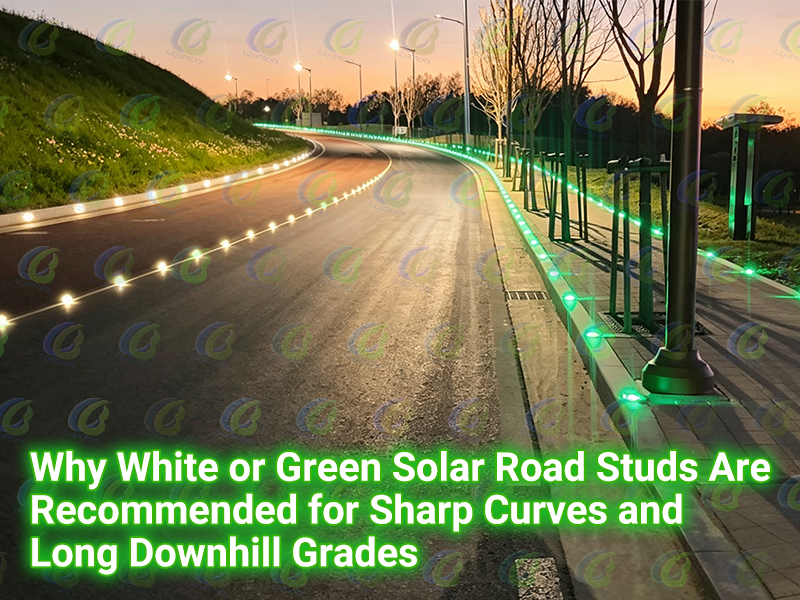
Road safety manufacturer explains solar road stud color selection for sharp curves and long downhill sections. Compare white, green, amber, and red light performance under low illumination and foggy conditions. Custom solutions available.
Roadway Delineation: Why White or Green Solar Road Studs Are Recommended for Sharp Curves and Long Downhill Grades
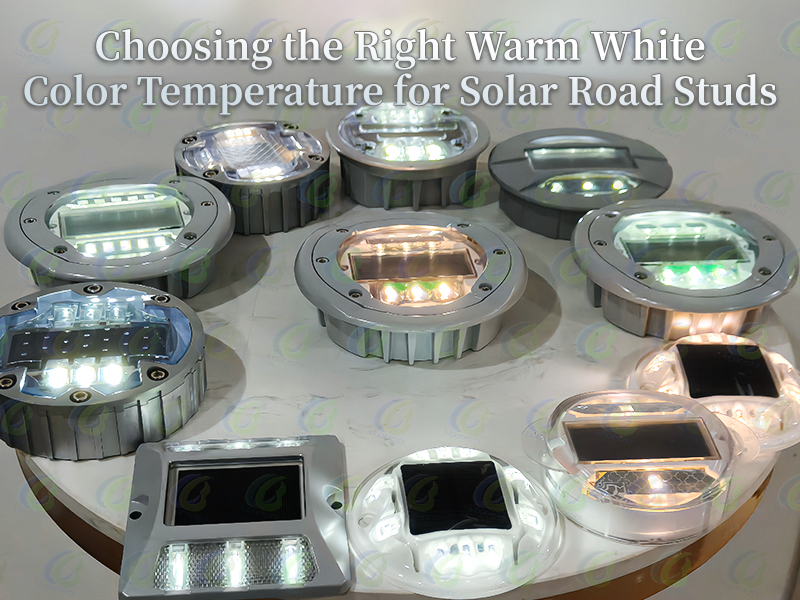
Discover the difference between 6000K, 4000K, 3000K, and 2500K solar road stud color temperatures. Learn how to choose the best warm white solar road studs for highways, cycle lanes, pedestrian pathways, parks, and landscape lighting projects.
Choosing the Right Warm White Color Temperature for Solar Road Studs
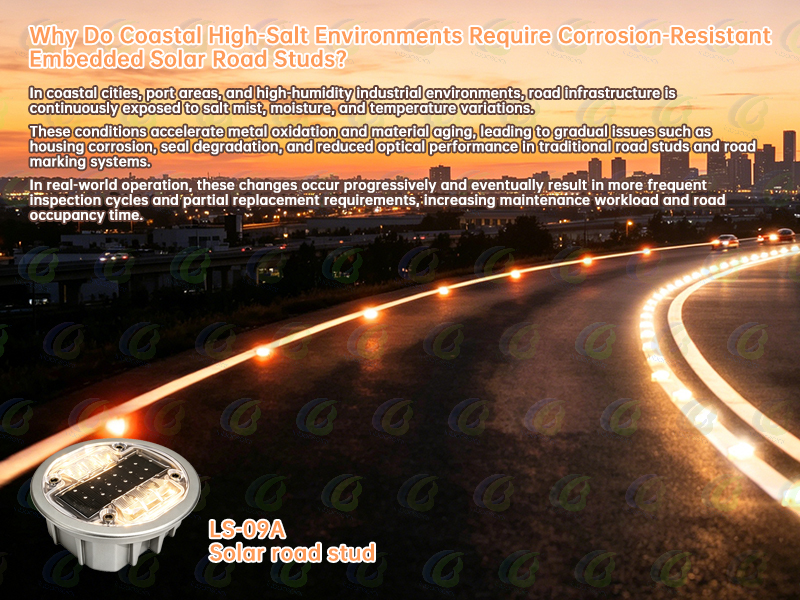
Coastal high-salt environments accelerate road infrastructure corrosion. Embedded solar road studs with corrosion-resistant materials and IP68 protection help improve night visibility and extend maintenance cycles.
Why Do Coastal High-Salt Environments Require Corrosion-Resistant Embedded Solar Road Studs?