


How Can Pavement Markings Indicate and Enhance Traffic Safety?
author: Eng.Terrance
2024-12-05
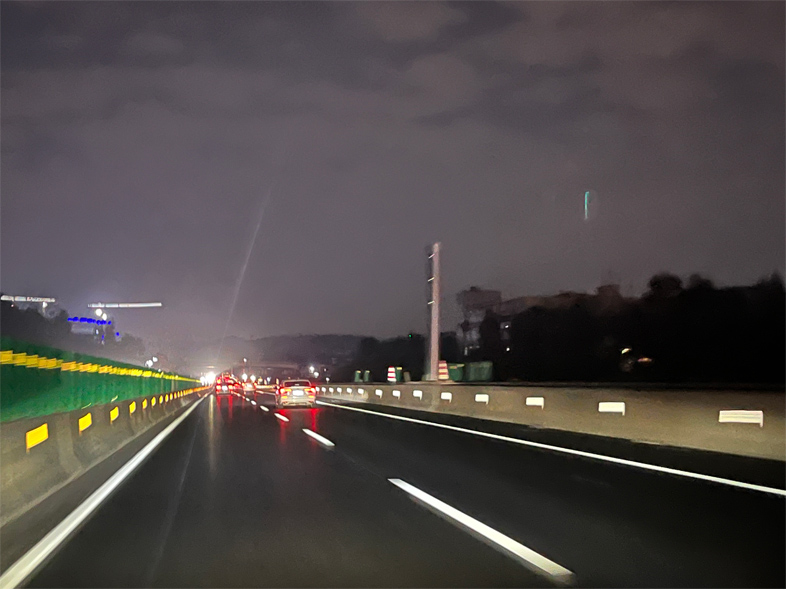
How Can Pavement Markings Indicate and Enhance Traffic Safety?
Pavement markings are essential elements of road infrastructure, playing a critical role in ensuring safety and efficiency for all road users. By guiding traffic flow, defining lanes, and warning vehicles of potential hazards, these markings are fundamental in promoting safer driving conditions. Paired with advanced technologies like reflective reflectors and solar-powered studs, pavement markings become even more effective in providing visibility and warnings, especially in low-light conditions.
The Functions of Pavement Markings
Pavement markings serve several essential purposes on the road:
-
Lane Guidance
-
Solid or broken lines define the boundaries of traffic lanes.
-
Yellow lines separate opposing traffic, while white lines divide lanes moving in the same direction.
Warning Indicators
-
Markings such as arrows, words, or symbols on the road surface provide drivers with clear instructions.
-
Hazard markings signal areas like intersections, curves, or merging zones that require extra caution.
Road Boundaries and Crosswalks
-
Solid white lines indicate the road's edge, helping drivers stay within the lane.
-
Crosswalk markings ensure pedestrian safety and make crossing points visible.
Enhancing Visibility with Reflective Reflectors
Traditional reflective reflectors are often installed alongside pavement markings to improve their visibility, particularly at night or during adverse weather. These reflectors:
- Reflect Light: They use retroreflective materials to reflect the headlights of vehicles, making lane boundaries and road edges visible.
- Guide Drivers: By enhancing the visibility of markings, they help drivers maintain lane discipline.
- Improve Safety: Reflectors are particularly effective in warning drivers about upcoming hazards like curves or merging lanes.
The Role of Solar-Powered Studs
Solar-powered studs take the effectiveness of pavement markings to the next level by incorporating modern lighting technology. These studs:
Provide Continuous Illumination
-
Powered by solar energy, they emit light consistently during the night.
-
Available in steady (freezing light) or flashing modes to suit different road conditions.
Boost Visibility in Low-Light Conditions
-
On poorly lit roads, solar studs improve visibility far beyond what traditional markings and reflectors can achieve.
-
Drivers can identify road boundaries, lane changes, and hazards well in advance.
Energy Efficient and Durable
-
Solar studs charge during the day and operate independently at night, requiring no external power source.
-
Designed to withstand high traffic loads and harsh weather, they provide a long-term solution for road safety.
Combining Technologies for Maximum Safety
The combination of pavement markings, reflective reflectors, and solar-powered studs offers unparalleled road safety.
- Daytime and Nighttime Safety: While traditional markings and reflectors work well during the day and in good lighting, solar studs shine during the night or in foggy conditions.
- Dynamic Warnings: Flashing solar studs paired with reflective markings can warn drivers of upcoming intersections or sudden curves.
- Clear Lane Guidance: Continuous illumination from solar studs helps ensure drivers stay within their lanes even on dark highways.
Conclusion
Pavement markings, when paired with reflective reflectors and solar-powered studs, become powerful tools for road safety. These elements guide traffic effectively, provide clear warnings, and enhance visibility in all conditions. As road technology advances, integrating traditional and modern solutions ensures safer roads and better driving experiences for everyone.
how solar road stud works
Dotted Line Pavement Markings: Enhancing Safety with Solar-Powered Flashing or Freezing Lights
Related Article
Wired LED Road Studs provide stable illumination and reliable road guidance for highways, tunnels, and traffic engineering projects with durable design and reduced maintenance needs.
Why Wired LED Road Studs Are Ideal for Highway and Tunnel Applications?
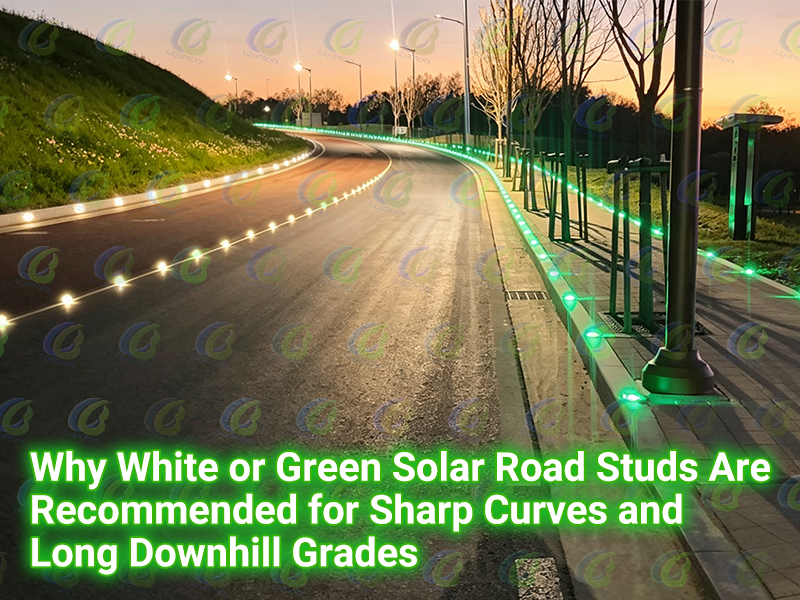
Road safety manufacturer explains solar road stud color selection for sharp curves and long downhill sections. Compare white, green, amber, and red light performance under low illumination and foggy conditions. Custom solutions available.
Roadway Delineation: Why White or Green Solar Road Studs Are Recommended for Sharp Curves and Long Downhill Grades

Discover the difference between 6000K, 4000K, 3000K, and 2500K solar road stud color temperatures. Learn how to choose the best warm white solar road studs for highways, cycle lanes, pedestrian pathways, parks, and landscape lighting projects.
Choosing the Right Warm White Color Temperature for Solar Road Studs
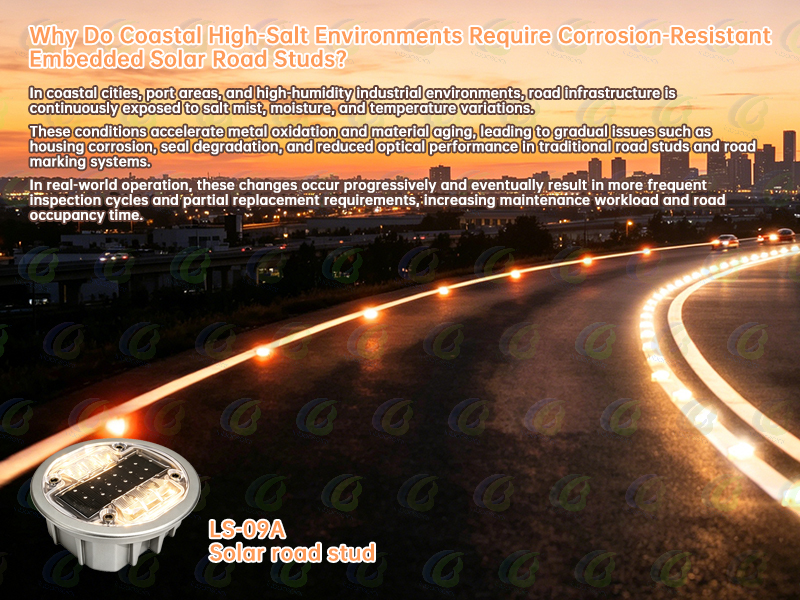
Coastal high-salt environments accelerate road infrastructure corrosion. Embedded solar road studs with corrosion-resistant materials and IP68 protection help improve night visibility and extend maintenance cycles.
Why Do Coastal High-Salt Environments Require Corrosion-Resistant Embedded Solar Road Studs?