

Understanding the Technology Behind Solar Road Studs: How They Work
author: Eng Jose
2025-01-23
Understanding the Technology Behind Solar Road Studs: How They Work
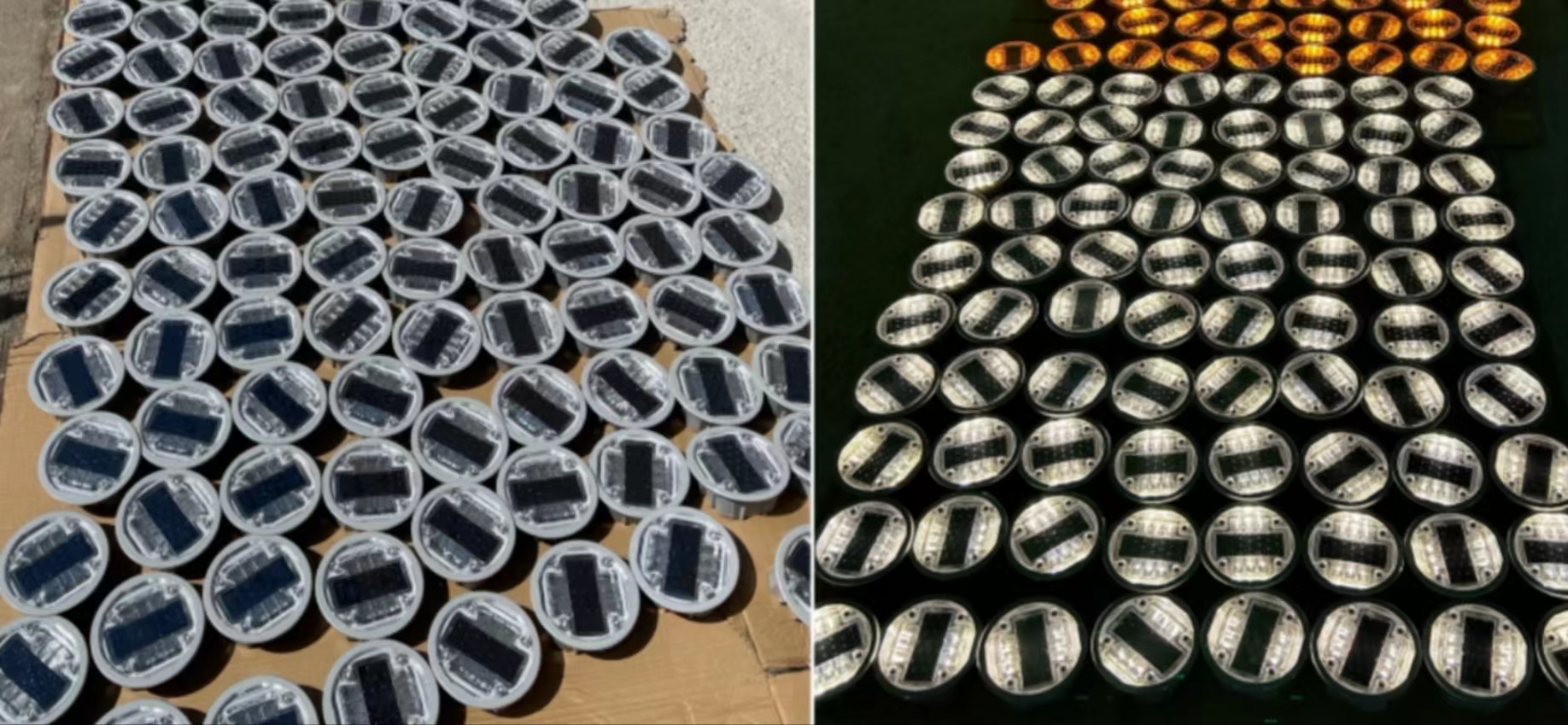
Solar road studs are an innovative solution designed to improve road safety, particularly during low visibility conditions such as nighttime or inclement weather. These road studs, powered by the sun, use advanced technology to provide bright, reliable illumination without the need for external power sources. In this article, we’ll dive into the technology and mechanics of solar road studs.
How Solar Road Studs Work
Solar road studs consist of a solar panel, LED lights, a battery, and durable housing. The solar panel absorbs sunlight during the day, converting it into electrical energy. This energy is stored in a battery, typically a LiFePO4 battery, which powers the LED lights during the night, ensuring continuous operation without relying on external power sources.
Solar road studs are equipped with high-quality, energy-efficient LED chips that provide bright illumination, making them highly visible to drivers. This increased visibility is crucial for enhancing road safety, particularly on highways, in construction zones, and in areas with poor lighting.
Key Features of Solar Road Studs
-
Solar Panel Efficiency: Solar road studs use high-efficiency solar panels, ensuring that solar energy is effectively converted for long-lasting performance. The panels are designed to absorb sunlight throughout the day, even in varying weather conditions.
-
LED Lighting: These road studs feature high-performance LED lights in various colors like red, yellow, or white, to clearly mark lanes, warn of upcoming turns, or highlight hazards. The LEDs are designed for maximum brightness and energy efficiency, providing up to 50,000 hours of operation.
-
Battery and Power Storage: The LiFePO4 battery in solar road studs is a key component of their energy system. Unlike traditional batteries, LiFePO4 offers high energy density, long cycle life, and safety under high temperatures, ensuring that the road studs operate reliably throughout the night.
-
IP68 Waterproof Rating: Solar road studs are built to withstand harsh environmental conditions, including rain, snow, and extreme temperatures. With an IP68 waterproof rating, these studs remain functional and visible even in adverse weather conditions, making them ideal for use in all climates.
-
Durability and Shock Resistance: With a strong Polycarbonate and Aluminum casing, solar road studs are highly durable and resistant to impact, ensuring they can endure heavy traffic and compression. This makes them ideal for high-traffic roads, highways, and construction zones.
-
Easy Installation: Installation of solar road studs is quick and easy. These studs are equipped with self-adhesive bases or mounting hardware, ensuring a secure fit on asphalt, concrete, or other road surfaces. They can also be embedded in the road for a more permanent installation.
Benefits of Solar Road Studs
-
Energy Efficiency: Solar road studs operate entirely on renewable energy, eliminating the need for wired infrastructure and reducing maintenance costs. This makes them an affordable long-term solution for road safety.
-
Improved Road Safety: Solar road studs are an effective way to improve visibility at night, reducing the risk of accidents. They guide drivers through curves, sharp turns, and hazardous areas and are especially useful in poorly lit or rural areas.
-
Eco-Friendly: By harnessing solar energy, these studs contribute to sustainability efforts. Their solar-powered design reduces reliance on non-renewable energy sources and helps lower carbon emissions.
-
Low Maintenance: With a long battery life and solar-powered system, these road studs require minimal maintenance. The LiFePO4 battery has a long life cycle and is designed to withstand both high temperatures and harsh weather conditions.
-
Theft-Resistant: Some solar road studs are equipped with theft-resistant features, making them ideal for installation in high-risk areas where vandalism or theft may be a concern.
Conclusion
The technology behind solar road studs is a perfect combination of sustainability, reliability, and safety. With their high-efficiency solar panels, durable Polycarbonate and Aluminum casing, and bright LED lights, solar road studs represent the future of road safety technology. By harnessing solar power, these studs provide a cost-effective, eco-friendly, and long-lasting solution to help guide and protect drivers. Whether used on highways, in construction zones, or on rural roads, solar road studs are revolutionizing traffic management by improving visibility and reducing accidents.
Recommended Solar Road Stud for European Areas: The Solar Pavement Marker
Everything You Need to Know About Solar Road Stud Installation and Maintenance
Related Article
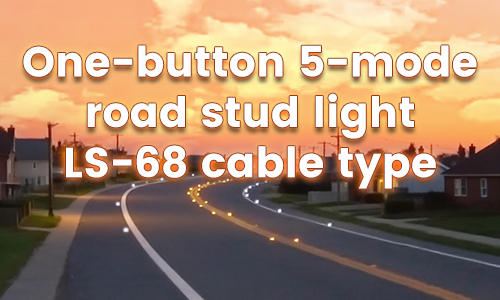
Wired LED Road Studs provide stable illumination and reliable road guidance for highways, tunnels, and traffic engineering projects with durable design and reduced maintenance needs.
Why Wired LED Road Studs Are Ideal for Highway and Tunnel Applications?
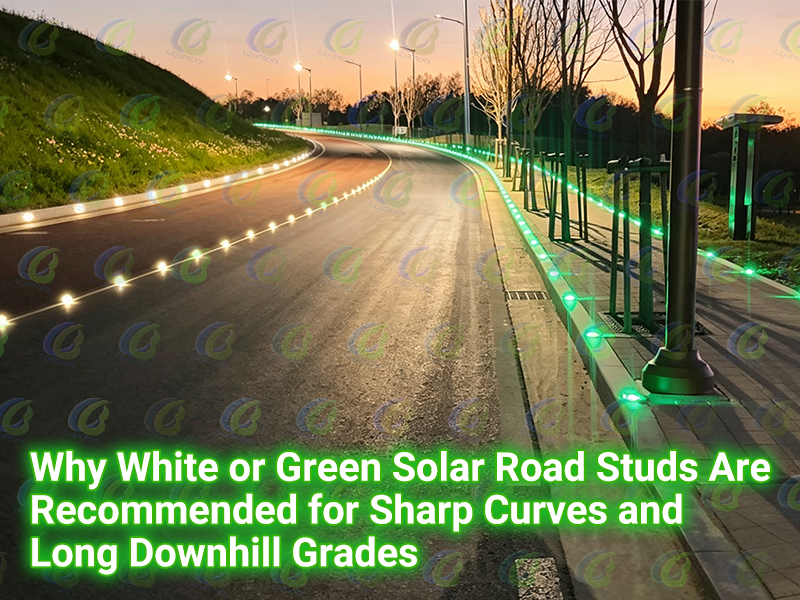
Road safety manufacturer explains solar road stud color selection for sharp curves and long downhill sections. Compare white, green, amber, and red light performance under low illumination and foggy conditions. Custom solutions available.
Roadway Delineation: Why White or Green Solar Road Studs Are Recommended for Sharp Curves and Long Downhill Grades
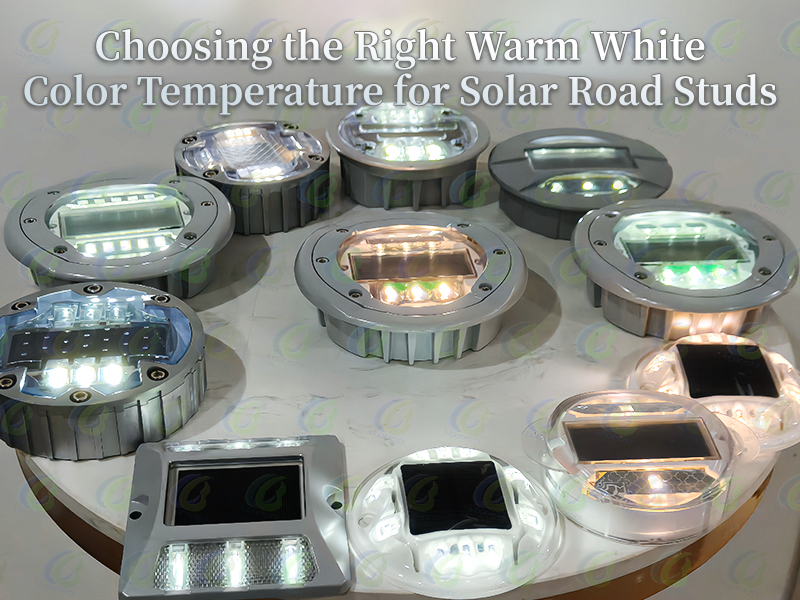
Discover the difference between 6000K, 4000K, 3000K, and 2500K solar road stud color temperatures. Learn how to choose the best warm white solar road studs for highways, cycle lanes, pedestrian pathways, parks, and landscape lighting projects.
Choosing the Right Warm White Color Temperature for Solar Road Studs
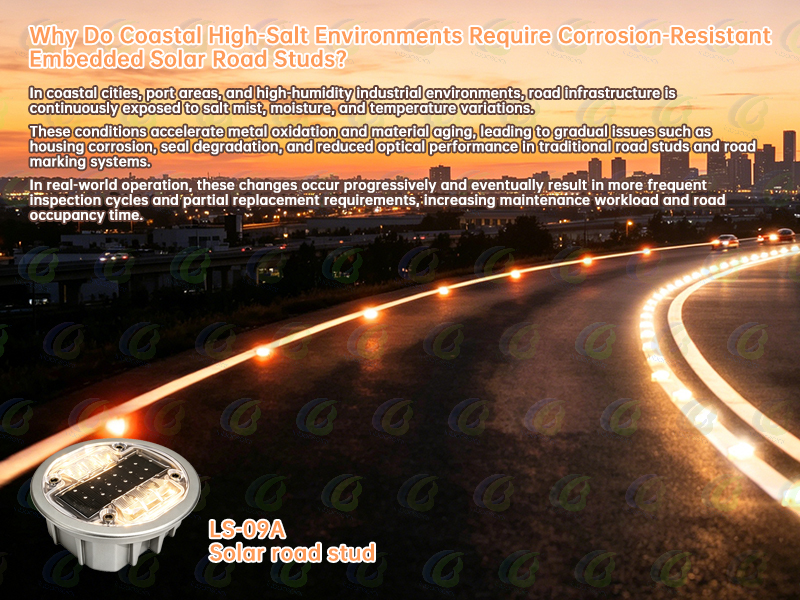
Coastal high-salt environments accelerate road infrastructure corrosion. Embedded solar road studs with corrosion-resistant materials and IP68 protection help improve night visibility and extend maintenance cycles.
Why Do Coastal High-Salt Environments Require Corrosion-Resistant Embedded Solar Road Studs?