


What Are the International Standards for Solar Road Stud Lighting Colors?
author: Eng.Jose
2025-01-04
What Are the International Standards for Solar Road Stud Lighting Colors?
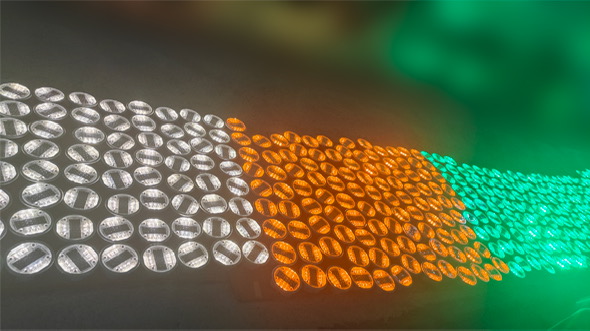
There are international standards and guidelines for the lighting color of solar road studs, often outlined in road safety and traffic management regulations. These standards specify the color and placement of road studs based on their intended use and location.
Below are the most commonly followed conventions:Common Standards for Solar Road Stud Colors
White Light:
Used to indicate lane markings or the centerline of a road.
Typically employed for separation between lanes moving in the same direction.
Yellow (Amber) Light:
Used to separate lanes of traffic moving in opposite directions.
Often placed on the left side of roads in countries with left-hand traffic and on the centerlines in right-hand traffic countries.
Red Light:
Indicates no entry or warns drivers of dangerous areas, such as approaching ramps or dead ends.
Often used for demarcating the edges of the road on the left-hand side.
Green Light:
Typically used to indicate safe areas for vehicle entry or exits, such as slip roads or parking areas.
Blue Light:
Used for emergency lanes, fire hydrants, or other designated areas.
Commonly seen in regions where emergency services require clear visual guidance.
Key Standards Referenced
UNECE Regulations:
Countries following United Nations Economic Commission for Europe (UNECE) standards use specific guidelines for reflective materials and lights.
Countries following United Nations Economic Commission for Europe (UNECE) standards use specific guidelines for reflective materials and lights.
ISO 6742-1:
This standard covers the visibility and durability of reflectors and lighting devices, including solar road studs and stud lights.
EN 1463:
A European standard specifically for road marking materials, including the color and retro-reflectivity of LED road markers and road studs.
National Guidelines:
Many countries have their own road safety standards, such as:
Many countries have their own road safety standards, such as:
ANSI/IES RP-8 in the U.S.
AASHTO (American Association of State Highway and Transportation Officials) guidelines.
Conclusion
The lighting color of solar road studs, stud lights, and LED road markers plays a critical role in traffic safety and must adhere to regional and international standards for proper visibility and compliance. Always consult local regulations to ensure the correct use of colors.
Installation Manual Embedded Solar Road Stud
Solar Pavement Markers and Solar Panel Efficiency
Related Article
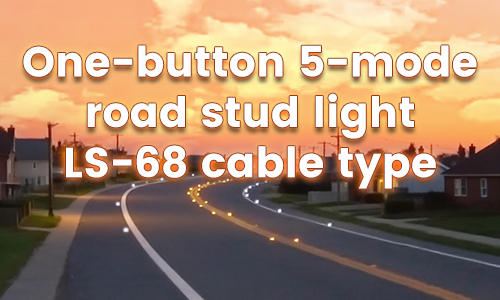
Wired LED Road Studs provide stable illumination and reliable road guidance for highways, tunnels, and traffic engineering projects with durable design and reduced maintenance needs.
Why Wired LED Road Studs Are Ideal for Highway and Tunnel Applications?
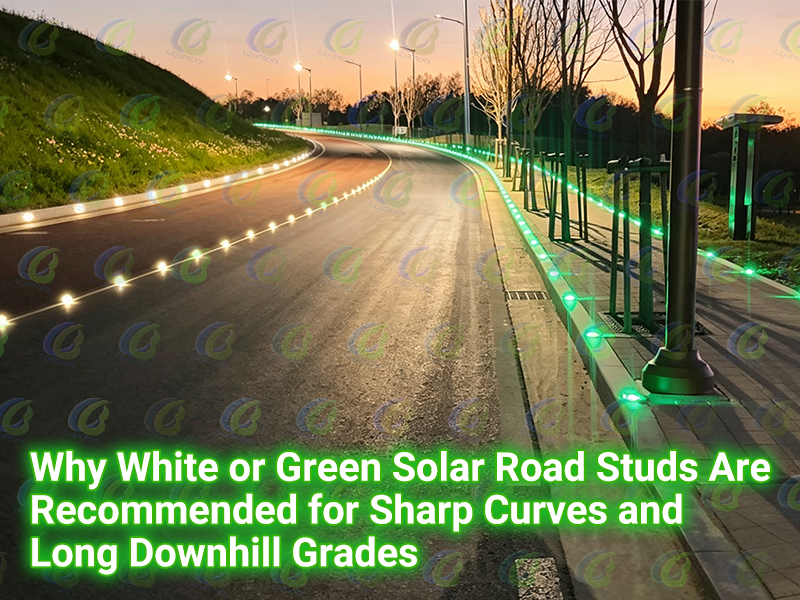
Road safety manufacturer explains solar road stud color selection for sharp curves and long downhill sections. Compare white, green, amber, and red light performance under low illumination and foggy conditions. Custom solutions available.
Roadway Delineation: Why White or Green Solar Road Studs Are Recommended for Sharp Curves and Long Downhill Grades
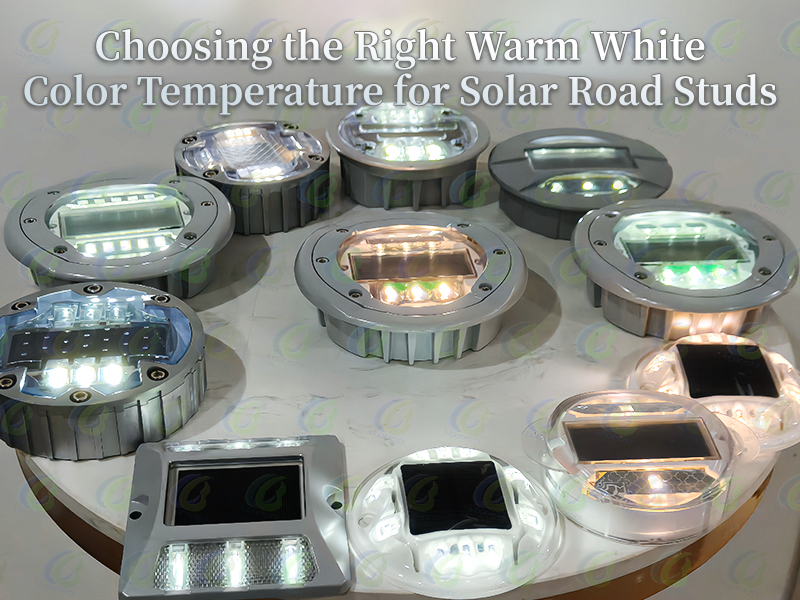
Discover the difference between 6000K, 4000K, 3000K, and 2500K solar road stud color temperatures. Learn how to choose the best warm white solar road studs for highways, cycle lanes, pedestrian pathways, parks, and landscape lighting projects.
Choosing the Right Warm White Color Temperature for Solar Road Studs
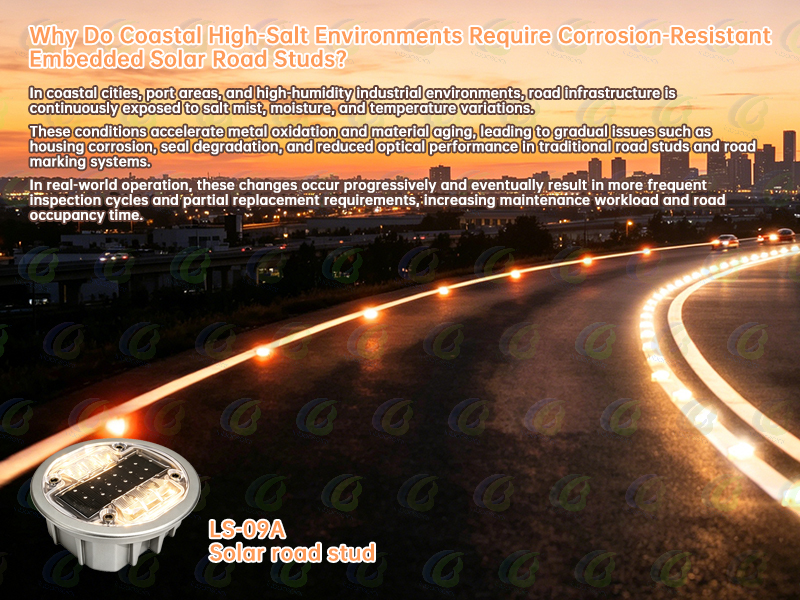
Coastal high-salt environments accelerate road infrastructure corrosion. Embedded solar road studs with corrosion-resistant materials and IP68 protection help improve night visibility and extend maintenance cycles.
Why Do Coastal High-Salt Environments Require Corrosion-Resistant Embedded Solar Road Studs?