


Choosing the Best Solar Deck Light for Sea beach Roads: A Guide to Durable Solar Road Studs
author: Eng.Jose
2025-02-06

Choosing the Best Solar Deck Light for Seabeach Roads: A Guide to Durable Solar Road Studs
Seabeach roads offer breathtaking coastal views and a serene atmosphere, making them popular for pedestrians, cyclists, and tourists. While traditional road lighting might not always be suitable, solar deck lights serve as an ideal solution for guide lighting along seabeach roads. However, selecting the right solar road stud for these environments requires careful consideration of key factors, including saltwater resistance, durability, long lifespan, and high visibility.
Key Features for Solar Deck Lights on Seabeach Roads
Coastal environments pose unique challenges for outdoor lighting, particularly due to salt moisture, humidity, and occasional seawater submersion. A high-quality solar deck light should be specifically designed to withstand these harsh conditions while maintaining optimal performance for at least five years.
1. Solar Charging Efficiency & Long Battery Life
Since solar deck lights rely on solar energy for power, it is crucial to select models with high-efficiency solar panels that can capture sunlight even on cloudy days. The ideal battery should be a top-grade lithium (Li) battery, ensuring consistent power storage and a lifespan of over five years. This eliminates the need for frequent maintenance or replacements.
2. Anti-Salt Moisture and Corrosion Resistance
Seabeach roads are highly exposed to salt moisture, which can corrode metal components and degrade materials over time. To ensure durability, the best solar road studs for deck lighting should feature:
-
Stainless steel housing to resist salt-induced corrosion.
-
Aluminum casing with anti-corrosion surface treatment (such as anodizing) for added protection.
-
Polycarbonate material with UV and salt-resistant treatment, offering lightweight durability and enhanced waterproofing.
3. Waterproofing & Saltwater Resistance
Since some solar deck lights on seabeach roads may occasionally be submerged by rising tides or waves, IP68-rated waterproofing is essential. Additionally, the sealed glue used for the solar panel and internal components must be resistant to saltwater to prevent damage and moisture penetration.
4. High-Quality LED Source with Long Lifespan
The LED light source plays a crucial role in providing clear and bright illumination. A well-designed solar deck light should incorporate:
-
Premium LED chips, such as original CREE chips, known for their high brightness, energy efficiency, and long lifespan.
-
Color stability, ensuring that the LED light does not fade within five years despite continuous lighting exposure.
-
Good sealed lens, protecting the LED from moisture, dust, and environmental exposure.
5. Application & Visibility Requirements
Unlike highways or main roads, seabeach roads primarily serve pedestrians and cyclists, meaning that solar deck lights are used more for guidance rather than vehicle visibility. Key requirements include:
-
Long lifespan (5+ years) with stable illumination to enhance nighttime safety.
-
Wide-angle visibility to ensure clear guidance along the walkway or cycling path.
-
Soft but effective lighting to maintain the natural ambiance of the coastal environment.
6. Material Recommendations for Seabeach Solar Road Studs
When selecting solar road studs for deck lighting on a coastal road, the following materials are most suitable:
-
Stainless Steel: Offers the best corrosion resistance and longevity.
-
Anodized Aluminum: If properly treated, it can withstand harsh coastal conditions.
-
Polycarbonate (PC) Material: Ideal for lightweight, impact-resistant designs with additional UV and salt resistance.
Conclusion: The Best Solar Deck Light Solution for Seabeach Roads
For seabeach road applications, the ideal solar deck light should feature:
✔ High-efficiency solar charging with long-lasting lithium batteries.
✔ Saltwater-resistant construction, such as stainless steel or treated aluminum.
✔ IP68-rated waterproof sealing, ensuring durability even when submerged.
✔ Premium LED chips (e.g., CREE) for consistent brightness and no color fading over five years.
✔ Soft, long-lasting illumination for pedestrian and cyclist guidance.
✔ Saltwater-resistant construction, such as stainless steel or treated aluminum.
✔ IP68-rated waterproof sealing, ensuring durability even when submerged.
✔ Premium LED chips (e.g., CREE) for consistent brightness and no color fading over five years.
✔ Soft, long-lasting illumination for pedestrian and cyclist guidance.
By carefully selecting a solar road stud that meets these criteria, seabeach roads can benefit from sustainable, maintenance-free, and visually appealing guide lighting, ensuring a safe and enjoyable coastal experience for all.
Solar-Powered LED Pavement Lights: The Best Solution for Off-Grid Roads
LED Road Stud with Cable: When and Why to Use Wired LED Road Stud Lights
Related Article
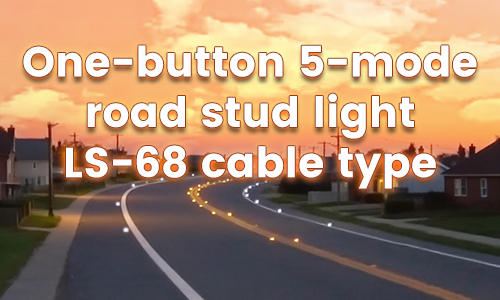
Wired LED Road Studs provide stable illumination and reliable road guidance for highways, tunnels, and traffic engineering projects with durable design and reduced maintenance needs.
Why Wired LED Road Studs Are Ideal for Highway and Tunnel Applications?
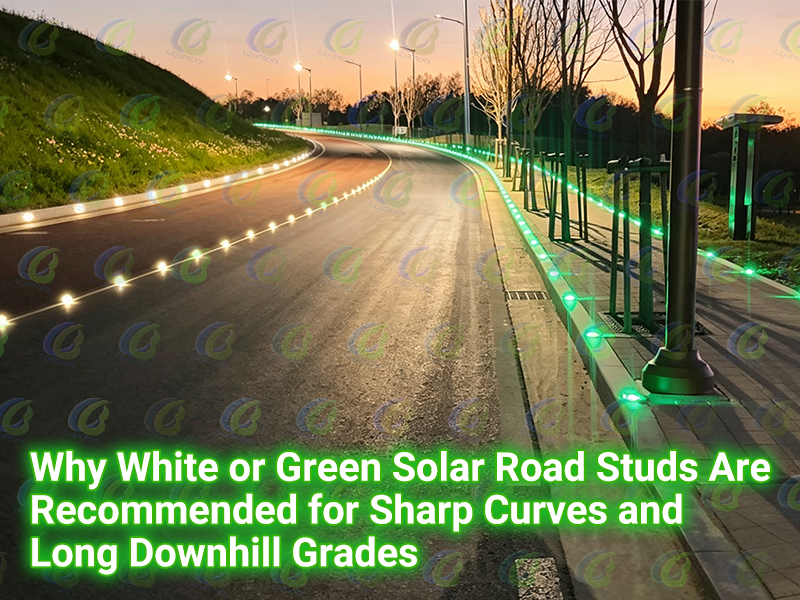
Road safety manufacturer explains solar road stud color selection for sharp curves and long downhill sections. Compare white, green, amber, and red light performance under low illumination and foggy conditions. Custom solutions available.
Roadway Delineation: Why White or Green Solar Road Studs Are Recommended for Sharp Curves and Long Downhill Grades
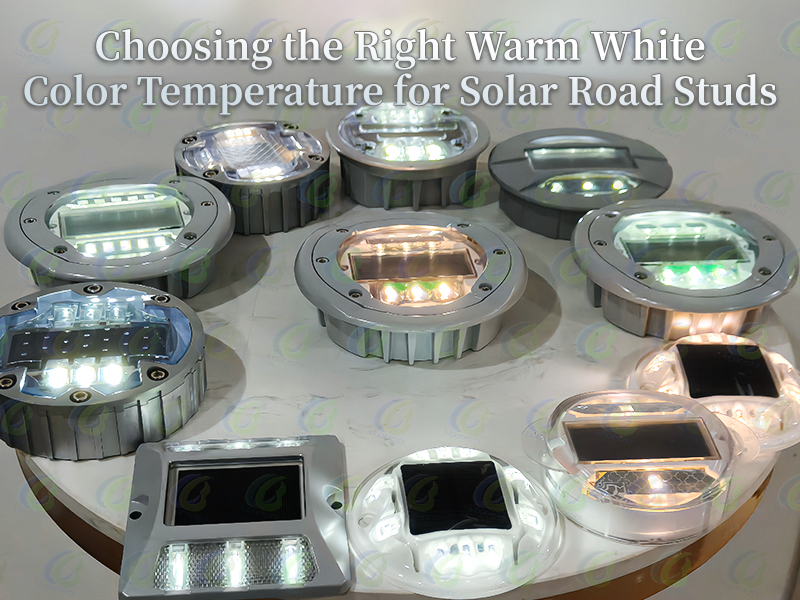
Discover the difference between 6000K, 4000K, 3000K, and 2500K solar road stud color temperatures. Learn how to choose the best warm white solar road studs for highways, cycle lanes, pedestrian pathways, parks, and landscape lighting projects.
Choosing the Right Warm White Color Temperature for Solar Road Studs
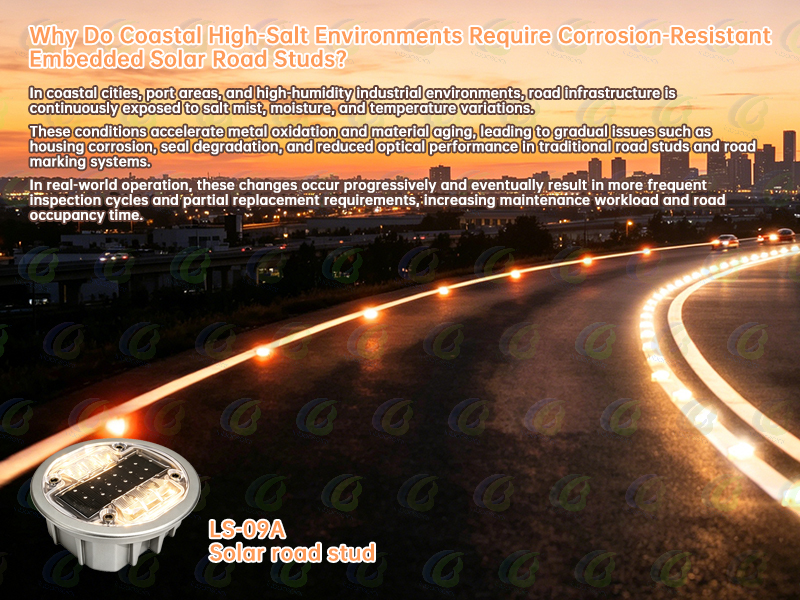
Coastal high-salt environments accelerate road infrastructure corrosion. Embedded solar road studs with corrosion-resistant materials and IP68 protection help improve night visibility and extend maintenance cycles.
Why Do Coastal High-Salt Environments Require Corrosion-Resistant Embedded Solar Road Studs?