

Choosing the Right Polycarbonate for Solar Road Studs: Key Features, Material Selection, and Manufacturing Best Practices
author: Eng.Jose
2025-02-13

Choosing the Right Polycarbonate for Solar Road Studs: Key Features, Material Selection, and Manufacturing Best Practices
When it comes to manufacturing high-quality solar road studs, selecting the right plastic material is essential for ensuring durability, functionality, and long-term performance. The outer shell of solar road studs is typically made from polycarbonate due to its strength, impact resistance, and compressive strength. However, not all polycarbonate materials are suitable for use in solar road studs. Below, we explore the key features to look for in polycarbonate, the importance of material selection, and manufacturing best practices to ensure optimal performance in challenging road environments.
Why Polycarbonate?
Polycarbonate is favored for solar road stud outer shells because of its excellent mechanical properties. It provides the required hardness and strength to withstand high-pressure loads, heavy traffic, and environmental stresses. Polycarbonate’s toughness helps prevent cracking or breaking, making it ideal for road applications.
However, polycarbonate is a versatile material, and its properties can vary significantly depending on the type used. For solar road studs, it’s crucial to use polycarbonate materials that are resistant to environmental factors like UV radiation, temperature fluctuations, and chemical reactions.
Material Selection: Key Considerations
Choosing the right polycarbonate for solar road studs is vital. Here's what to look for:
-
Impact Resistance: Polycarbonate must withstand heavy vehicles and external pressures without cracking or breaking. Road studs are exposed to harsh road conditions, so durability is essential.
-
UV Resistance: Since solar road studs are exposed to the sun for prolonged periods, UV stability is critical to avoid degradation over time.
-
Chemical Resistance: Polycarbonate needs to be resistant to the chemicals present in road environments, including oils, salts, and fuels. Additionally, it should be compatible with other components, such as the AB sealing glue, to avoid chemical reactions that could weaken the material.
-
Thermal Stability: Polycarbonate’s ability to endure temperature fluctuations without losing its mechanical properties ensures that solar road studs remain functional in both hot and cold climates.
Manufacturing Process: Injection Molding & Glue Compatibility
The manufacturing process plays a significant role in the performance of solar road studs. Polycarbonate needs to be carefully molded during the injection process to ensure it retains its structural integrity. Temperature control and timing are essential during injection molding, as improper conditions can lead to material defects, such as brittleness or weak bonding with other components.
Additionally, the AB sealing glue used to bond the outer shell to the internal components of the solar road stud must be chemically compatible with polycarbonate. If the glue interacts negatively with the polycarbonate, it can lead to failure, such as the shell cracking or the solar stud becoming non-functional. Choosing high-quality glue and ensuring a proper curing process is crucial for long-lasting performance.
Conclusion: The Importance of Quality Materials and Manufacturing Practices
When selecting polycarbonate for solar road studs, it’s essential to focus on quality, environmental compatibility, and proper manufacturing techniques. High-quality polycarbonate combined with precision injection molding and the correct adhesive ensures that solar road studs can endure the demands of road environments and continue to function effectively for years.
By choosing professional-grade materials and following best practices during manufacturing, we can ensure that solar road studs remain a reliable and efficient solution for road safety and illumination.
Enhancing Pedestrian Safety with Intelligent Solar Pedestrian Crossing Systems
Choosing the Right Spacing for Solar-Powered Road Studs: 18-Meter vs 12-Meter Spacing for Different Road Types
Related Article
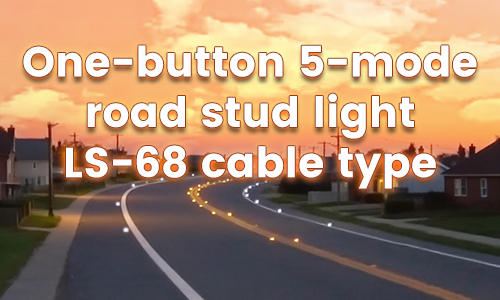
Wired LED Road Studs provide stable illumination and reliable road guidance for highways, tunnels, and traffic engineering projects with durable design and reduced maintenance needs.
Why Wired LED Road Studs Are Ideal for Highway and Tunnel Applications?
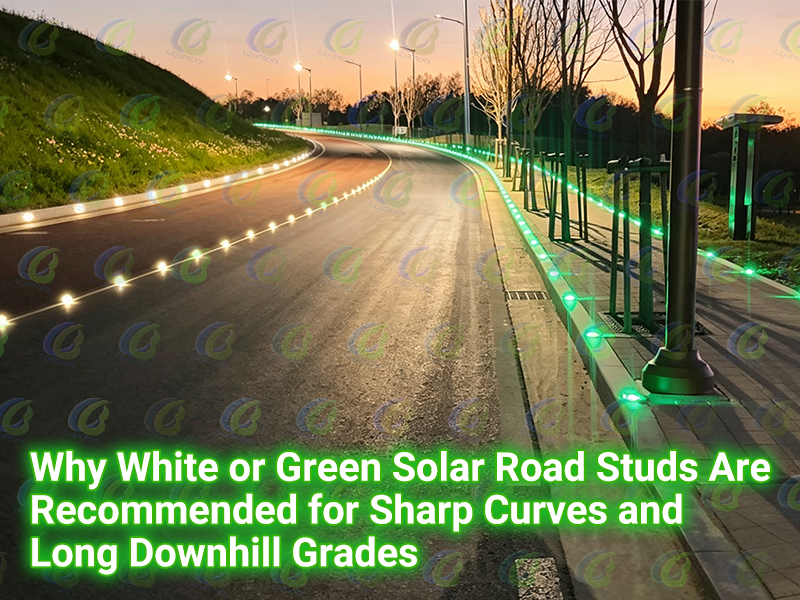
Road safety manufacturer explains solar road stud color selection for sharp curves and long downhill sections. Compare white, green, amber, and red light performance under low illumination and foggy conditions. Custom solutions available.
Roadway Delineation: Why White or Green Solar Road Studs Are Recommended for Sharp Curves and Long Downhill Grades
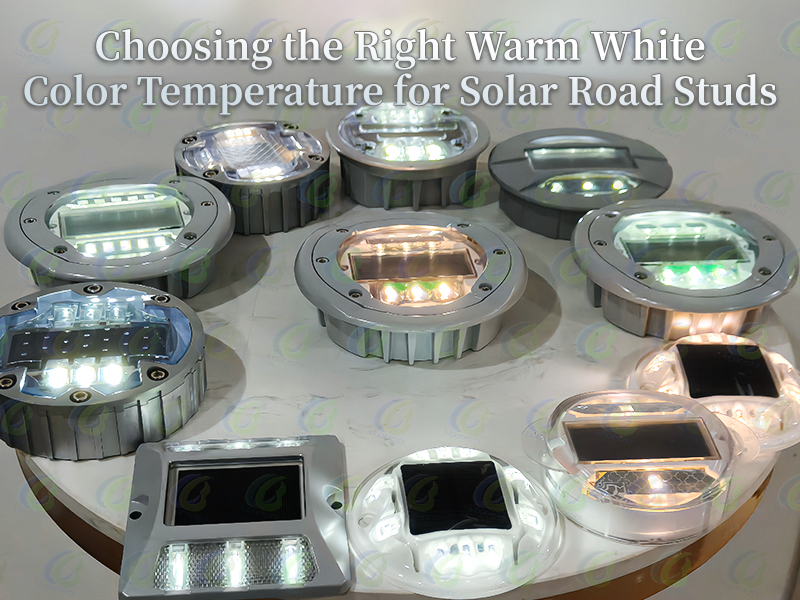
Discover the difference between 6000K, 4000K, 3000K, and 2500K solar road stud color temperatures. Learn how to choose the best warm white solar road studs for highways, cycle lanes, pedestrian pathways, parks, and landscape lighting projects.
Choosing the Right Warm White Color Temperature for Solar Road Studs
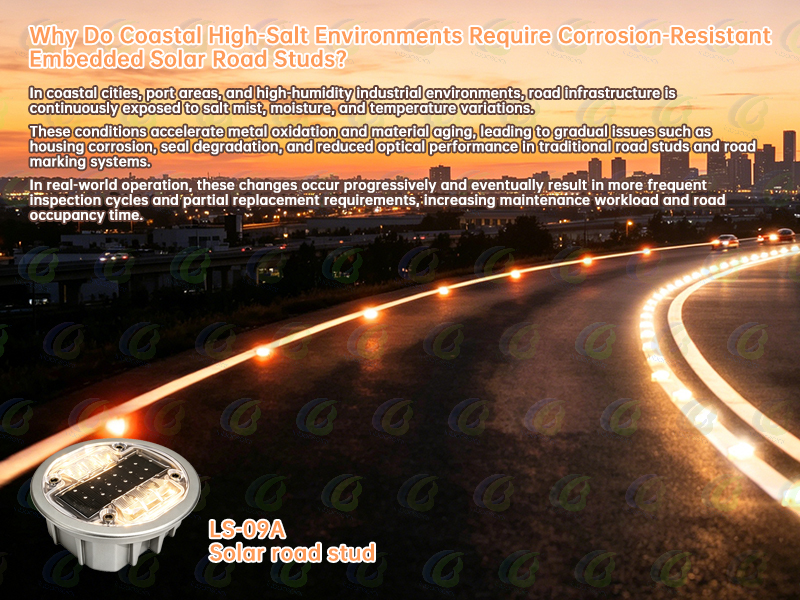
Coastal high-salt environments accelerate road infrastructure corrosion. Embedded solar road studs with corrosion-resistant materials and IP68 protection help improve night visibility and extend maintenance cycles.
Why Do Coastal High-Salt Environments Require Corrosion-Resistant Embedded Solar Road Studs?