

Ensuring Continuous Power for Solar Road Studs: Overcoming Storage and Environmental Challenges
author: Eng.Jose
2025-01-08
Ensuring Continuous Power for Solar Road Studs: Overcoming Storage and Environmental Challenges
Solar road studs are an essential part of modern traffic management systems, offering crucial guidance and safety for drivers, especially at night or in low-light conditions. However, maintaining consistent performance in varied environmental conditions—such as during transportation, storage, or winter months—presents unique challenges. These challenges typically revolve around ensuring that solar road studs are always powered and ready for use.
Challenges in Solar Road Stud Power Maintenance
Solar road studs are powered by rechargeable batteries that charge using solar energy. Typically, the functioning of these studs is controlled by a light sensor that automatically turns the light on when darkness sets in and off when the surrounding environment becomes brighter. However, this system can result in the complete discharge of the battery during long periods of storage or transportation, which can cause several issues:
-
Battery Discharge During Storage: When solar road studs are stored for extended periods without being used, their batteries may discharge completely, leaving them without power when it's time to deploy them.
-
Manual Recharging Needs: In cases where the batteries are fully drained, manual intervention is required to recharge them, which can be a hassle for manufacturers and distributors.
-
Potential Problems During Application: Long periods without power can lead to operational delays and even potential failure to provide lighting when needed, which is especially problematic for road safety applications.
Why Not Use Physical Switches for Solar Road Studs?
Some might consider using physical switches to manage the on/off functions of solar road studs. However, this approach faces several challenges that make it less effective for road applications:
Frequent External Shocks and Pressures: Solar road studs are exposed to constant shock and pressure from passing vehicles. Physical switches cannot withstand these forces continuously, and this could lead to mechanical failure or poor performance over time.
Waterproofing Requirements: The need for solar road studs to remain fully waterproof is a critical consideration for outdoor applications. Physical switches would compromise the unit's ability to maintain its waterproof integrity, making it unsuitable for road usage.
Environmental Impact (Snow and Leaves): In regions with harsh winters or heavy autumn foliage, solar road studs may face issues such as snow or leaves accumulating on their surface. This can block sunlight from reaching the solar panels and prevent them from charging. If the solar road studs remain covered for an extended period, they will discharge completely, rendering them ineffective when needed most.
Lubaosolar's Solution: Advanced Automatic Standby Mode
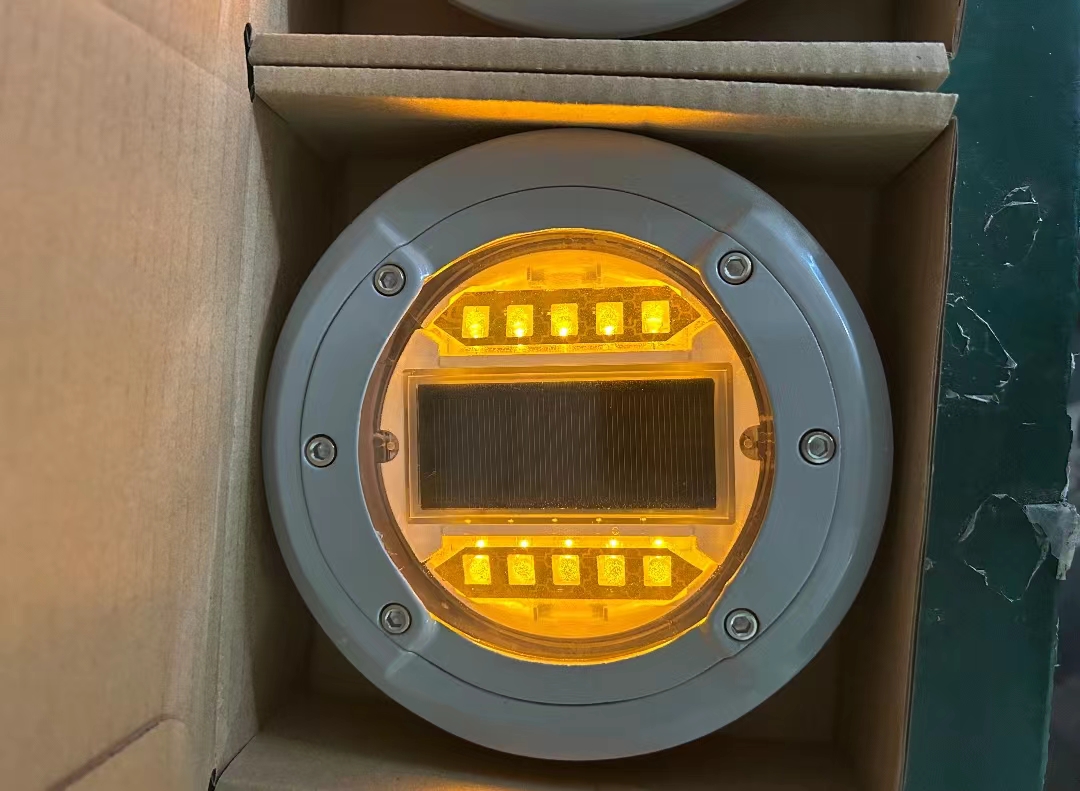
To address these challenges, Lubaosolar's engineering team has developed an advanced solution: the automatic standby mode for solar road studs. This innovative technology ensures optimal performance even during transportation, storage, and in harsh weather conditions.
How Does It Work?
Automatic Power Management: When stored indoors, packaged, or exposed to external factors such as snow or fallen leaves for approximately 16.0 hours, the solar road stud detects abnormal darkness and switches to standby mode automatically. This ensures that the battery does not discharge unnecessarily.
Smart Power On/Off Mechanism: Once the environment returns to normal (such as after snow or leaves are cleared), or when the packaging is opened, the solar road stud automatically powers on and resumes full operation without the need for manual intervention.
Continuous Visibility: This smart feature ensures that solar road studs maintain their power and are ready to provide visibility when required. Whether during storage or in winter and autumn conditions, the solar road stud will function as expected, ensuring road safety is never compromised.
Benefits of Lubaosolar's Automatic Standby Mode:
-
Minimized Power Loss: The system reduces unnecessary power consumption during storage or adverse conditions, ensuring that the solar road studs retain power for use when needed.
-
Enhanced Durability: By avoiding the wear and tear of physical switches and ensuring full waterproofing, Lubaosolar's design enhances the longevity and reliability of solar road studs.
-
Improved Road Safety: With continuous functionality, even in challenging environmental conditions, Lubaosolar's solar road studs provide consistent lighting, ensuring optimal road safety throughout the year.
Conclusion
Lubaosolar’s innovation in automatic standby mode offers an effective solution to the common problems of solar road stud power maintenance during storage and in extreme weather conditions. By eliminating the need for physical switches and utilizing smart technology, our solar road studs provide reliable, continuous performance, ensuring they remain fully operational when they are most needed for traffic safety
Understanding the Strength of Solar Road Studs: How to Choose the Right Pavement Markers for Your Road
Installation Manual Embedded Solar Road Stud
Related Article
Wired LED Road Studs provide stable illumination and reliable road guidance for highways, tunnels, and traffic engineering projects with durable design and reduced maintenance needs.
Why Wired LED Road Studs Are Ideal for Highway and Tunnel Applications?
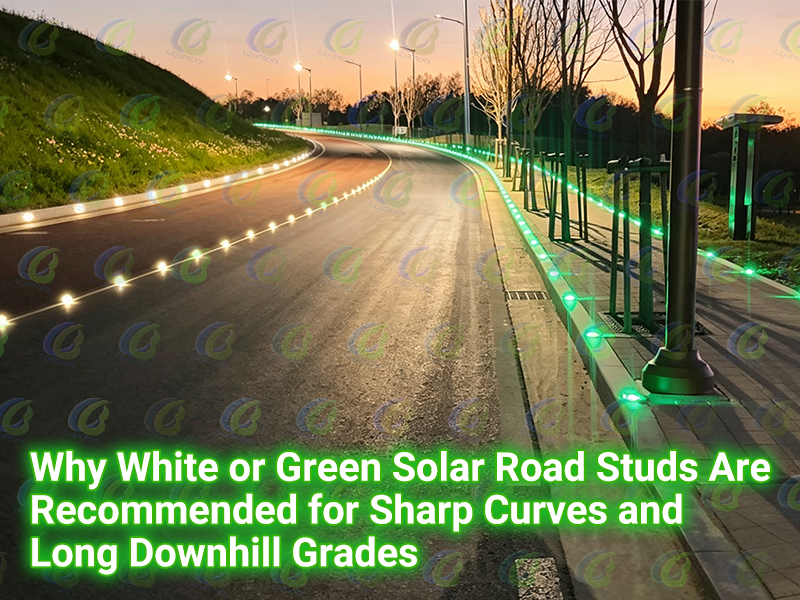
Road safety manufacturer explains solar road stud color selection for sharp curves and long downhill sections. Compare white, green, amber, and red light performance under low illumination and foggy conditions. Custom solutions available.
Roadway Delineation: Why White or Green Solar Road Studs Are Recommended for Sharp Curves and Long Downhill Grades
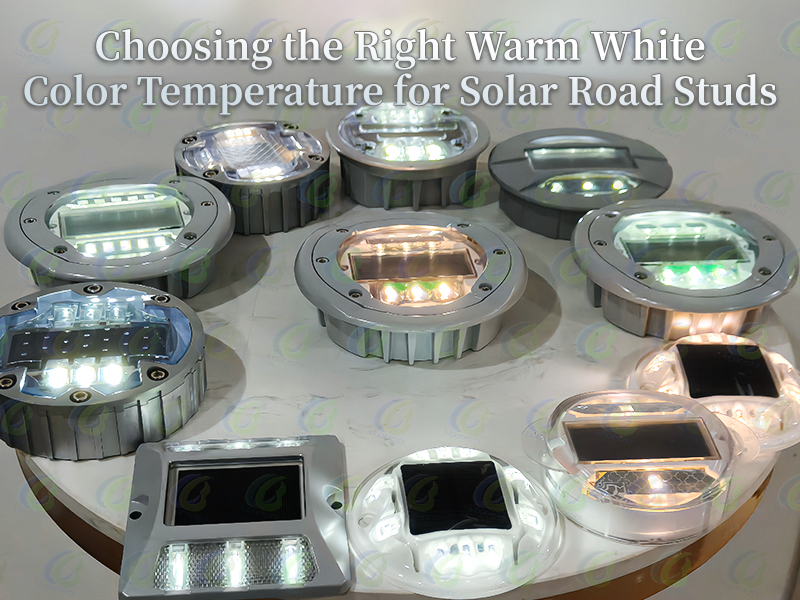
Discover the difference between 6000K, 4000K, 3000K, and 2500K solar road stud color temperatures. Learn how to choose the best warm white solar road studs for highways, cycle lanes, pedestrian pathways, parks, and landscape lighting projects.
Choosing the Right Warm White Color Temperature for Solar Road Studs
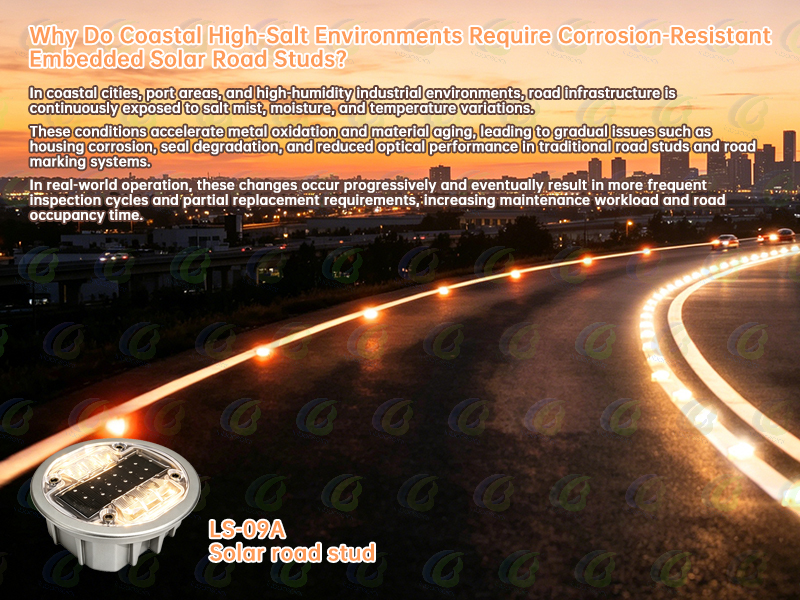
Coastal high-salt environments accelerate road infrastructure corrosion. Embedded solar road studs with corrosion-resistant materials and IP68 protection help improve night visibility and extend maintenance cycles.
Why Do Coastal High-Salt Environments Require Corrosion-Resistant Embedded Solar Road Studs?