

How Bright Should Solar Road Studs Be to Ensure Driver Safety?
author: Eng.Jose
2024-12-30

How Bright Should Solar Road Studs Be to Ensure Driver Safety?
To address the issue of brightness in solar road studs, let's delve into the factors determining the required luminous intensity to meet safety standards and ensure visibility for drivers on highways.
The Importance of Luminous Intensity for Solar Road Studs
Solar road studs are designed to provide clear visual guidance, particularly in low-light conditions, such as nighttime or adverse weather. The effectiveness of these LED pavement markers hinges on their luminous intensity, which determines how visible they are to drivers.
When the luminous intensity is insufficient, drivers may fail to notice the warning or guiding light in time, especially at higher speeds on highways. This can compromise traffic safety illumination, as inadequate visibility reduces reaction times and increases the risk of accidents.
Standard Brightness Levels for Solar Road Studs
Luminous intensity, measured in millicandelas (mcd), is a critical specification for solar road studs. While specific standards can vary by region or application, here are general guidelines for acceptable brightness levels:
-
General Road Use: Solar road studs typically require a luminous intensity of 3,000 to 5,000 mcd to be adequately visible.
-
Highway Applications: For highways or high-speed roads, a luminous intensity of at least 5,000 mcd is recommended. This ensures the light can be seen from a sufficient distance, allowing drivers to react promptly.
-
Challenging Conditions: In areas prone to heavy rain, fog, or other visibility-reducing conditions, higher intensities (up to 7,000 mcd) may be necessary to maintain visibility in adverse weather.
Factors Affecting Brightness Requirements
Several factors influence the required brightness for solar road studs:
-
Speed of Traffic: Higher speeds necessitate greater visibility and longer reaction times.
-
Environmental Conditions: Adverse weather like fog, rain, or dust requires brighter studs to maintain visibility.
-
Road Design: Curves, intersections, or elevation changes might require additional brightness to enhance visibility.
Meeting Standards and Enhancing Visibility
To ensure solar road studs meet brightness requirements, manufacturers and planners should:
-
Maximize Luminous Intensity: Use high-quality LEDs capable of delivering at least 5,000 mcd for highways.
-
Test for Diverse Conditions: Evaluate performance under fog, rain, and other adverse scenarios to ensure visibility in adverse weather.
-
Comply with Standards: Adhere to regional guidelines, such as ANSI/IES RP-8-22, for roadway lighting design.
Conclusion
LED pavement markers, particularly solar road studs, are essential for traffic safety illumination. Their luminous intensity must meet standards to ensure they provide effective guidance under all conditions. By prioritizing visibility in adverse weather, road designers and safety planners can enhance highway safety, reduce accidents, and improve overall driving conditions.
Choosing the Right Solar Road Stud for Your Needs
Why Illuminate Pavement Road Markers Need Waterproofing and Must Always Be IP68 Rated
Related Article
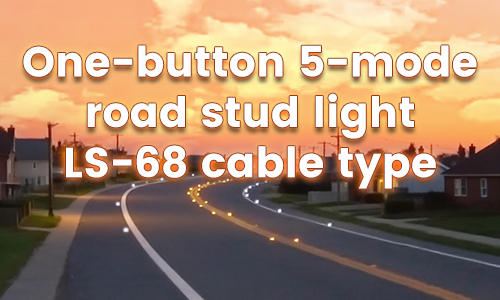
Wired LED Road Studs provide stable illumination and reliable road guidance for highways, tunnels, and traffic engineering projects with durable design and reduced maintenance needs.
Why Wired LED Road Studs Are Ideal for Highway and Tunnel Applications?
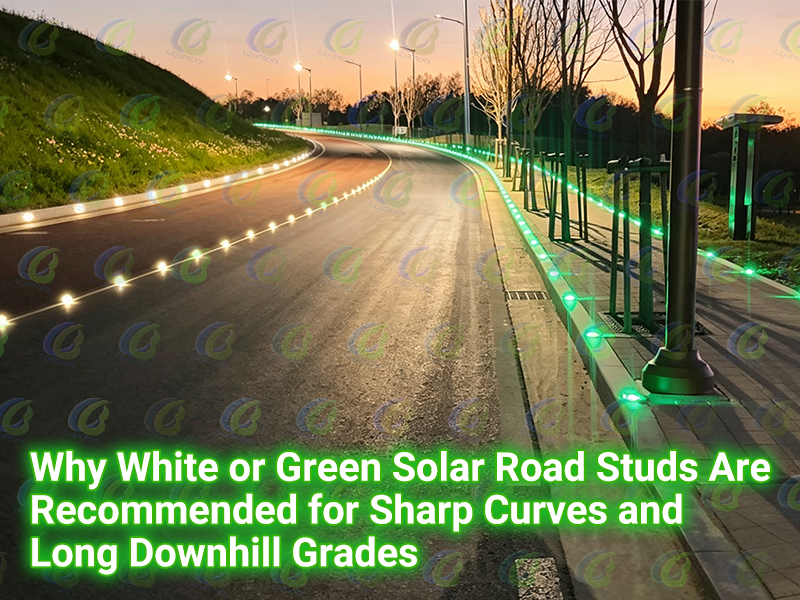
Road safety manufacturer explains solar road stud color selection for sharp curves and long downhill sections. Compare white, green, amber, and red light performance under low illumination and foggy conditions. Custom solutions available.
Roadway Delineation: Why White or Green Solar Road Studs Are Recommended for Sharp Curves and Long Downhill Grades
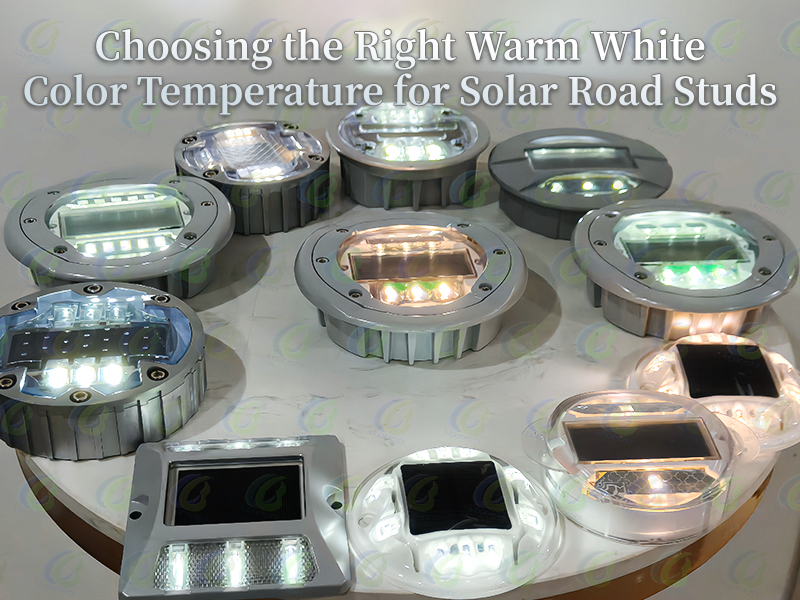
Discover the difference between 6000K, 4000K, 3000K, and 2500K solar road stud color temperatures. Learn how to choose the best warm white solar road studs for highways, cycle lanes, pedestrian pathways, parks, and landscape lighting projects.
Choosing the Right Warm White Color Temperature for Solar Road Studs
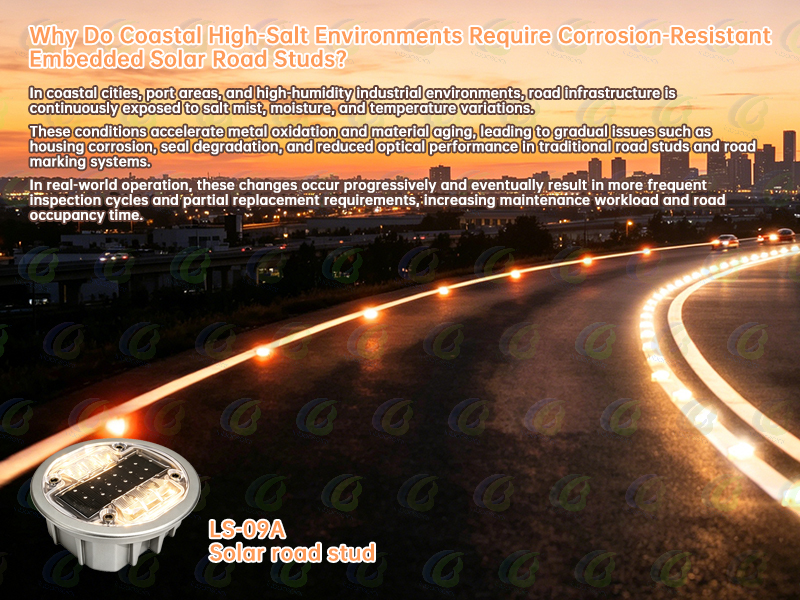
Coastal high-salt environments accelerate road infrastructure corrosion. Embedded solar road studs with corrosion-resistant materials and IP68 protection help improve night visibility and extend maintenance cycles.
Why Do Coastal High-Salt Environments Require Corrosion-Resistant Embedded Solar Road Studs?