


How to Solve the Solar Studs Off Lighting When the Vehicles Passing the Two-Way Road Lanes?
author: Eng.Jose
2025-01-10
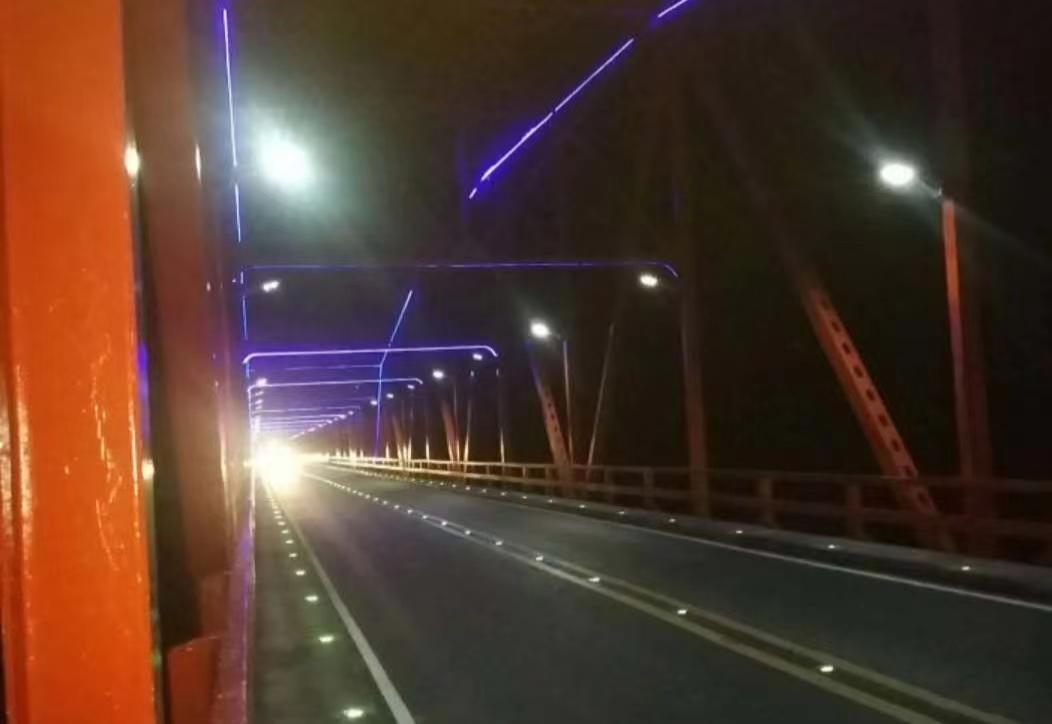
How to Solve the Solar Studs Off Lighting When the Vehicles Passing the Two-Way Road Lanes?
Solar road studs rely on their solar panels to charge a battery during the day, which powers the LED lights when darkness falls. This automatic on-off process is controlled by an external light sensor that reacts to changes in ambient light conditions. While this setup works well on highways, particularly in single-lane passages with no streetlights, challenges arise in urban environments.
The Challenge: Urban Roads with Streetlights
In urban roads with bright streetlights, solar road studs often face operational difficulties. The ambient light from streetlights can prevent the solar studs from activating, causing them to remain off even during the night. Additionally, in two-way traffic lanes, the headlights of passing vehicles can interfere with the light sensors, further disrupting the normal function of the solar road studs.
When solar road studs fail to illuminate as intended, their purpose of guiding traffic, ensuring road safety, and providing warnings is compromised. This makes their installation ineffective in such scenarios.
A Solution: Upgraded Light Sensor Control Circuit
To address this issue, an enhanced control process for the solar studs' light sensor is essential. By refining the light sensor circuit, solar road studs can be programmed to differentiate between ambient light from streetlights or vehicle headlights and actual daylight conditions. This adjustment ensures that:
-
Consistent Illumination: Solar road studs remain operational even under bright vehicle lights, maintaining their visibility and effectiveness.
-
Urban Road Safety: Solar studs installed in urban environments or on bridges will function reliably, enhancing safety and navigation for drivers.
-
Adaptability: The studs can adapt to varying light conditions, such as streetlight illumination and intermittent vehicle headlights, without turning off unnecessarily.
Benefits of the Enhanced Solar Stud Design
-
Improved Road Safety: Ensures continuous guidance and warning on urban roads, bridges, and highways.
-
Reliability: Maintains functionality under challenging light conditions, including vehicle headlight interference.
-
Versatility: Suitable for diverse applications, from single-lane highways to multi-lane urban roads with high ambient lighting.
By integrating this advanced light sensor technology, solar road studs can meet the demands of modern urban infrastructure while maintaining their primary function of improving road safety. This innovation demonstrates the adaptability and potential of solar-powered road safety solutions in complex traffic environments.
Recommend the Best Choice: Solar Illuminated Pavement Markers for Hotels and Parks
Understanding the Strength of Solar Road Studs: How to Choose the Right Pavement Markers for Your Road
Related Article
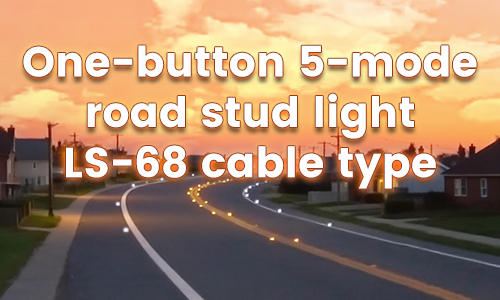
Wired LED Road Studs provide stable illumination and reliable road guidance for highways, tunnels, and traffic engineering projects with durable design and reduced maintenance needs.
Why Wired LED Road Studs Are Ideal for Highway and Tunnel Applications?
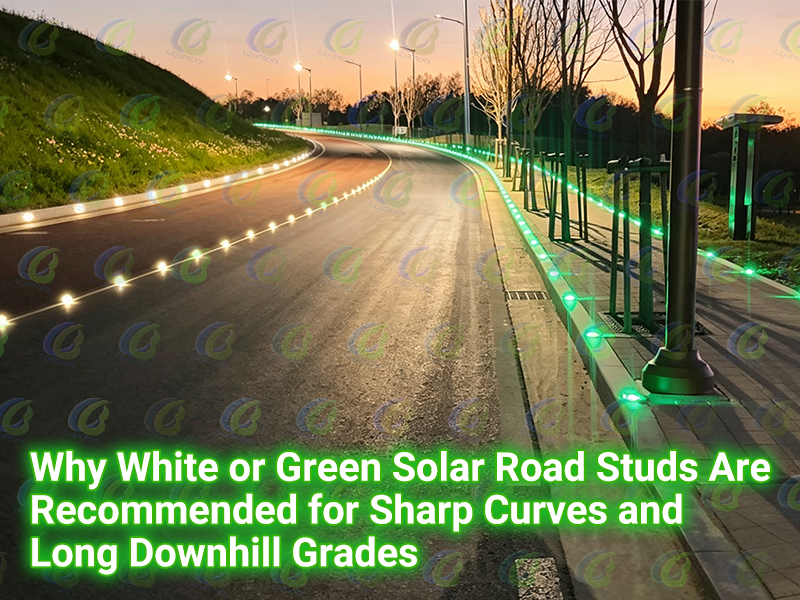
Road safety manufacturer explains solar road stud color selection for sharp curves and long downhill sections. Compare white, green, amber, and red light performance under low illumination and foggy conditions. Custom solutions available.
Roadway Delineation: Why White or Green Solar Road Studs Are Recommended for Sharp Curves and Long Downhill Grades
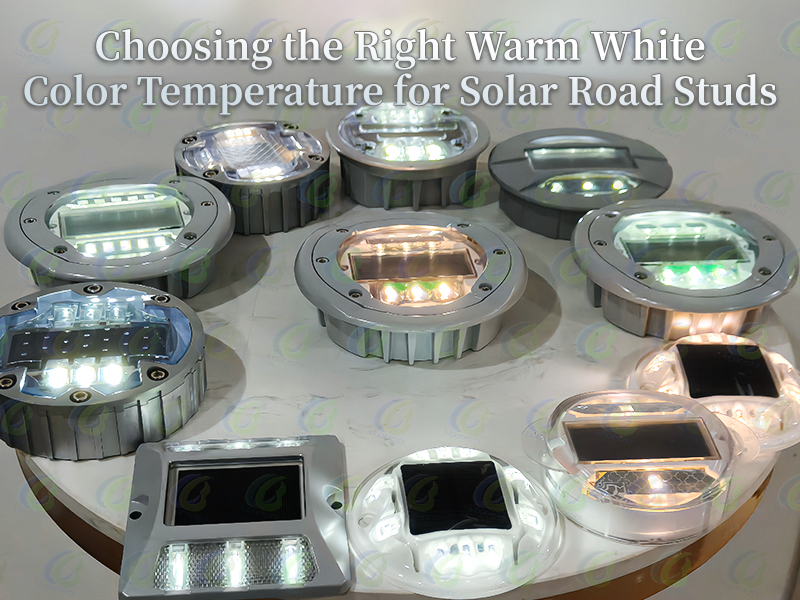
Discover the difference between 6000K, 4000K, 3000K, and 2500K solar road stud color temperatures. Learn how to choose the best warm white solar road studs for highways, cycle lanes, pedestrian pathways, parks, and landscape lighting projects.
Choosing the Right Warm White Color Temperature for Solar Road Studs
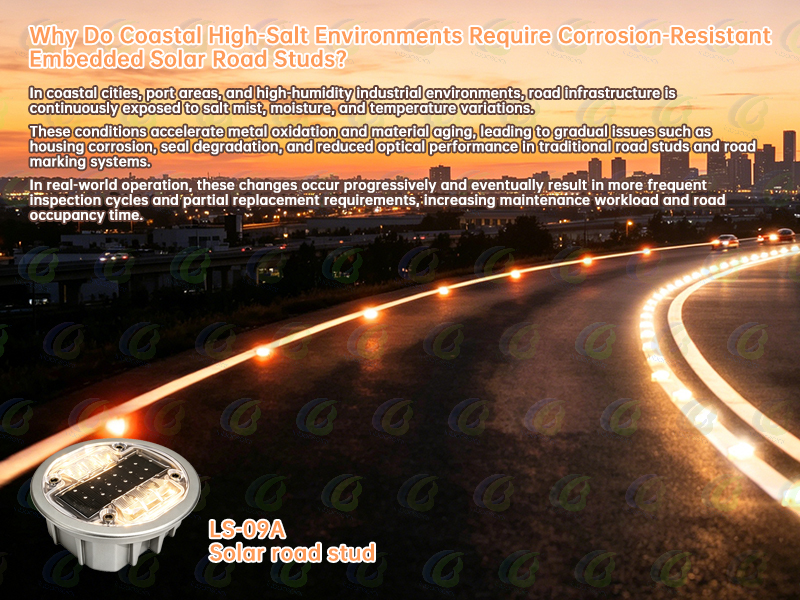
Coastal high-salt environments accelerate road infrastructure corrosion. Embedded solar road studs with corrosion-resistant materials and IP68 protection help improve night visibility and extend maintenance cycles.
Why Do Coastal High-Salt Environments Require Corrosion-Resistant Embedded Solar Road Studs?