
How Solar Road Studs Work: A Complete Guide

How Solar Road Studs Work: A Complete Guide
Solar road studs, also known as solar raised pavement markers (Solar RPMs), are active road safety devices that improve lane visibility using solar-powered LED lighting. Unlike traditional reflector cat eyes, solar road studs generate their own light, making them highly visible at night and in adverse weather.
1. Core Components of a Solar Road Stud
- Solar Panel – Captures sunlight and converts it into electrical energy
- Rechargeable Battery – Stores power for nighttime operation
- LED Light Source – High-intensity LEDs for long-distance visibility
- Photocell Sensor – Automatically turns LEDs on at dusk and off at dawn
- Durable Housing – Aluminum, glass, or polycarbonate for heavy traffic loads
2. Daytime Solar Charging Principle
During daylight hours, the solar panel absorbs sunlight and charges the internal battery. Even in cloudy or low-light environments, high-efficiency solar panels can store enough energy to power the stud for multiple nights.
3. Automatic Nighttime Illumination
When ambient light decreases, the built-in light sensor activates the LEDs automatically. The emitted light clearly defines road edges, center lines, curves, and crossings.
Solar road studs can operate in:
- Steady lighting mode
- Flashing mode
- Synchronous or sequential flashing for guidance
4. Real Product Examples
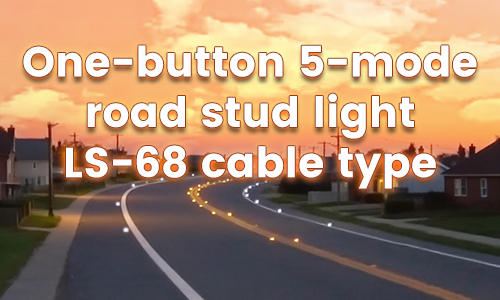
LS-68 & LS-68A Aluminum Solar Road Studs
The LS-68 Solar Road Stud and the upgraded LS-68A Solar Road Stud are embedded-type aluminum solar RPMs designed for highways and high-load traffic areas.
- Double-sided high-brightness LEDs
- Aluminum body with polycarbonate lens
- IP68 waterproof rating
- Designed to meet EN 1463-3 / ASTM 4280 Class F
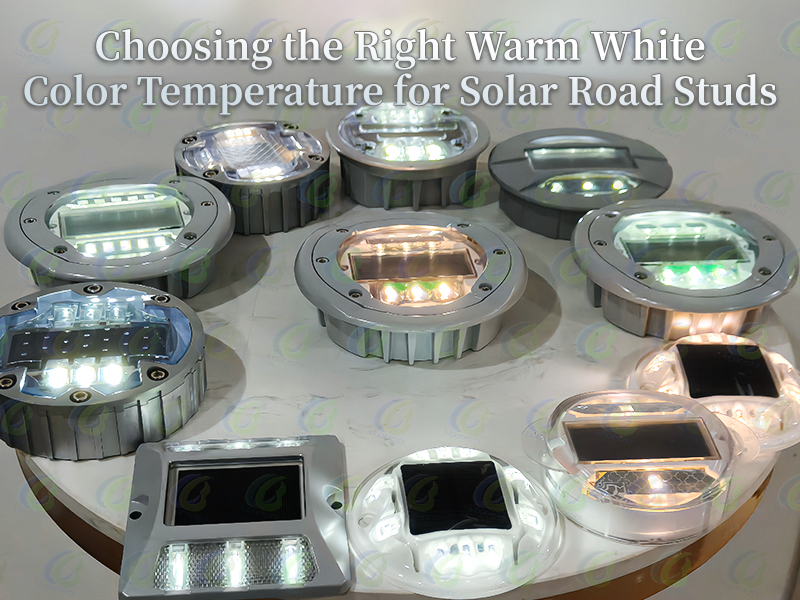
Glass Solar Raised Pavement Markers (Glass Solar RPM)
Glass Solar Raised Pavement Markers combine tempered glass strength with internal LED illumination. They are ideal for urban roads, intersections, and smart city projects requiring both durability and aesthetics.
- High load-bearing tempered glass body
- Excellent light transmission and visibility
- Flush installation for long-term durability
5. Advantages Over Traditional Reflector Studs
Traditional reflector studs depend on vehicle headlights and lose visibility in rain or fog. Solar road studs actively emit light, providing:
- Long-distance visibility
- Consistent performance in bad weather
- Improved driver reaction time
- Enhanced road safety in high-risk areas
6. Applications
- Highways and expressways
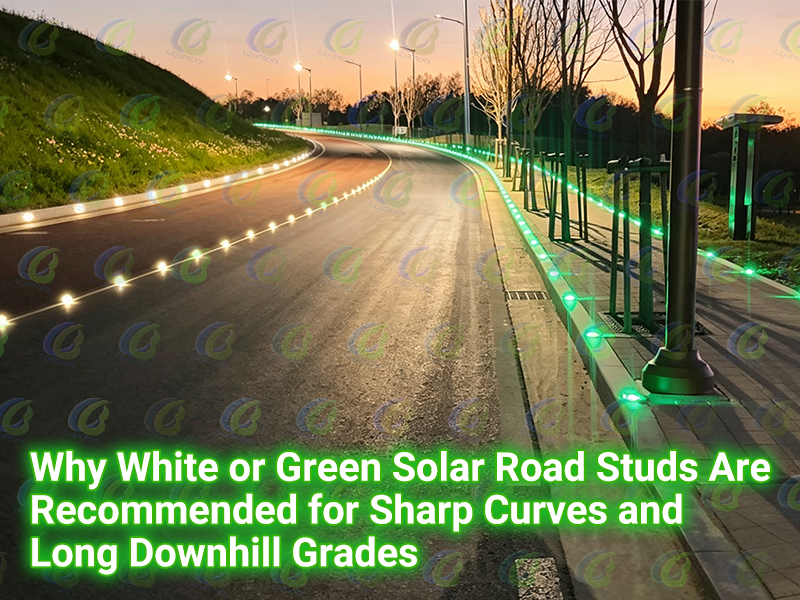
- Sharp curves and accident-prone zones
- Pedestrian crossings and medians
- Bridges, tunnels, and smart road projects
Conclusion
Solar road studs work by converting sunlight into reliable nighttime illumination, offering a sustainable and highly effective solution for modern traffic safety. Models such as LS-68, LS-68A, and Glass Solar RPMs demonstrate how advanced design and engineering significantly improve road visibility and durability worldwide.
Why Static-Lighting Solar Road Studs Are the Best Choice for Highways
EN1463-3 / ASTM 4280 Compliance & IIRPM Engineering: Solar & Cable Pavement Markers
Related Article