

Choosing the Right Solar Road Stud for Your Needs
author: Eng Wu
2025-01-01

Choosing the Right Solar Road Stud for Your Needs
Solar road studs come in various types, each designed for specific applications and conditions. Their classification can be based on material or installation method, and understanding these differences is key to selecting the most economical and effective option for your road type.
Types of Solar Road Studs by Material
Plastic Solar Road Studs:
-
Applications: Best suited for urban or residential roads with lower traffic volumes.
-
Advantages: Lightweight, affordable, and sufficient for low-speed areas.
-
Drawbacks: Less durable, making them unsuitable for heavy traffic or harsh weather conditions.
Aluminum Solar Road Studs:
-
Applications: Ideal for medium-traffic roads and rural highways.
-
Advantages: Stronger and more weather-resistant than plastic, offering good visibility and durability.
-
Drawbacks: Higher initial cost but more cost-effective in the long term due to their longevity.
Stainless Steel Solar Road Studs:
-
Applications: Designed for areas with extreme weather conditions or heavy traffic.
-
Advantages: High impact resistance and exceptional durability.
-
Drawbacks: The most expensive option, primarily used in demanding environments.
Types of Solar Road Studs by Installation Method
Raised Solar Road Studs:
-
Applications: Suitable for areas where visibility is crucial, such as curves, intersections, or low-speed zones.
-
Advantages: Easy to install and highly visible.
-
Drawbacks: May be more susceptible to wear and tear due to their raised design.
Embedded Solar Road Studs:
-
Applications: Perfect for highways or roads with high-speed traffic and heavy vehicle loads.
-
Advantages: Flush with the road surface, reducing wear and tear and offering greater durability.
-
Drawbacks: Higher installation cost and complexity.
Which Solar Road Stud Is the Most Economical?
- The most economical solar road stud depends on the road type and traffic conditions:
- For urban or residential roads, plastic solar road studs are the most cost-effective choice.
- For medium-traffic roads or rural highways, aluminum studs balance cost and durability.
- For highways or challenging environments, embedded stainless steel studs offer long-term savings despite their higher initial cost.
By evaluating traffic volume, environmental conditions, and road design, planners can choose the right solar road stud to optimize safety and cost-efficiency.
The Best Choice for Rechargeable Batteries in Solar Road Studs
How Bright Should Solar Road Studs Be to Ensure Driver Safety?
Related Article
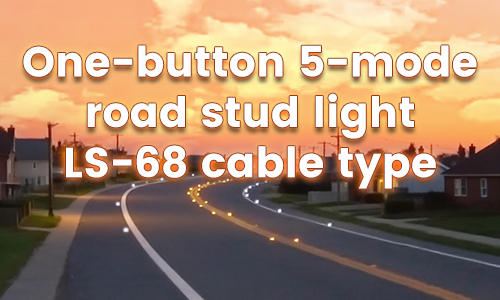
Wired LED Road Studs provide stable illumination and reliable road guidance for highways, tunnels, and traffic engineering projects with durable design and reduced maintenance needs.
Why Wired LED Road Studs Are Ideal for Highway and Tunnel Applications?
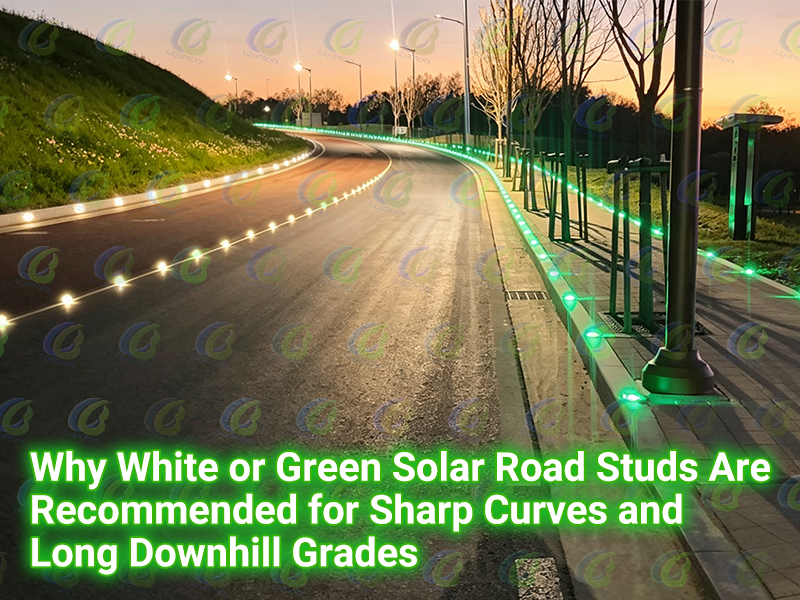
Road safety manufacturer explains solar road stud color selection for sharp curves and long downhill sections. Compare white, green, amber, and red light performance under low illumination and foggy conditions. Custom solutions available.
Roadway Delineation: Why White or Green Solar Road Studs Are Recommended for Sharp Curves and Long Downhill Grades
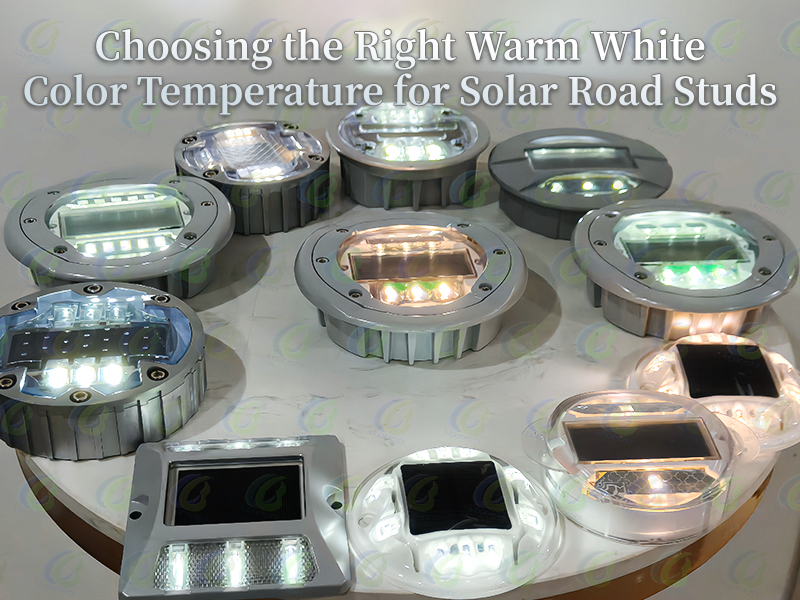
Discover the difference between 6000K, 4000K, 3000K, and 2500K solar road stud color temperatures. Learn how to choose the best warm white solar road studs for highways, cycle lanes, pedestrian pathways, parks, and landscape lighting projects.
Choosing the Right Warm White Color Temperature for Solar Road Studs
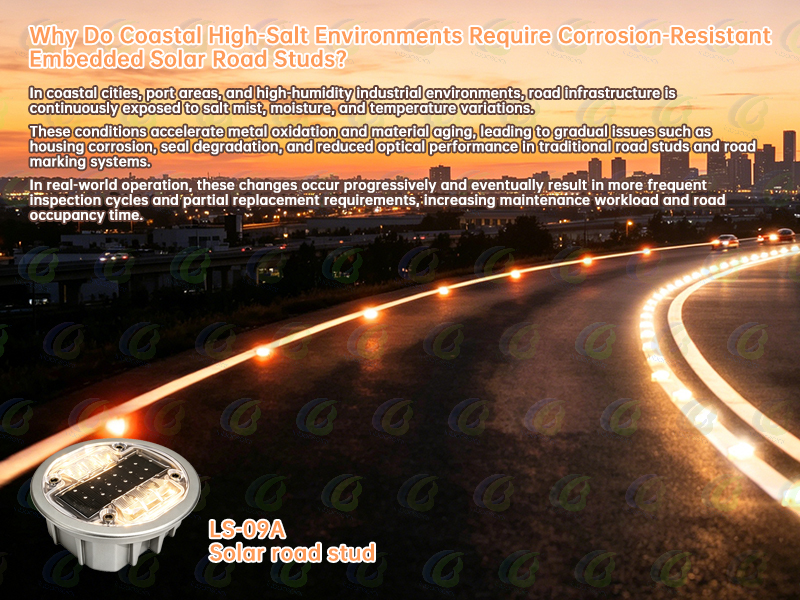
Coastal high-salt environments accelerate road infrastructure corrosion. Embedded solar road studs with corrosion-resistant materials and IP68 protection help improve night visibility and extend maintenance cycles.
Why Do Coastal High-Salt Environments Require Corrosion-Resistant Embedded Solar Road Studs?