

Ensuring Full Waterproofing for Solar Raised Aluminum Pavement Markers
author: Eng.Jose
2025-01-01

Ensuring Full Waterproofing for Solar Raised Aluminum Pavement Markers
Solar raised aluminum pavement markers serve as essential safety and guidance lights in outdoor settings, including urban roads, highways, parking lots, and other areas requiring illumination and warning signals. When applied to parking lots, they not only provide safety and guidance but also enhance the aesthetic appeal, adding a "beautiful function" to their utility. However, their effective operation in outdoor environments depends on one critical factor—being fully waterproof.
Importance of Waterproofing for Solar Road Markers
Outdoor environments expose solar road markers to various challenges, including rain, vehicle pressure, and environmental stress. For these devices to function effectively and reliably:
-
Safety Functions: Waterproofing ensures the internal circuit remains dry and operational, providing consistent warning and guidance lighting.
-
Longevity: Protecting against moisture prevents electrical failure, extending the lifespan of the markers.
-
Durability: Withstand harsh conditions, including the impact of vehicles on roadways.
Common Waterproofing Methods: Glue Sealing
Most solar road markers on the market rely on glue to seal their components and achieve waterproofing. While this method is effective under certain conditions, its limitations become apparent when exposed to external pressures:
-
Vehicle Pressure: The weight and impact of vehicles can stress the glue seal, potentially creating gaps.
-
Material Compatibility: Differences in the chemical composition of the glue and marker material (aluminum or plastic) can weaken the bond, especially under repeated stress.
-
Environmental Factors: Temperature fluctuations and UV exposure can degrade the glue over time.
Can Epoxy Resin Ensure Complete Waterproofing?
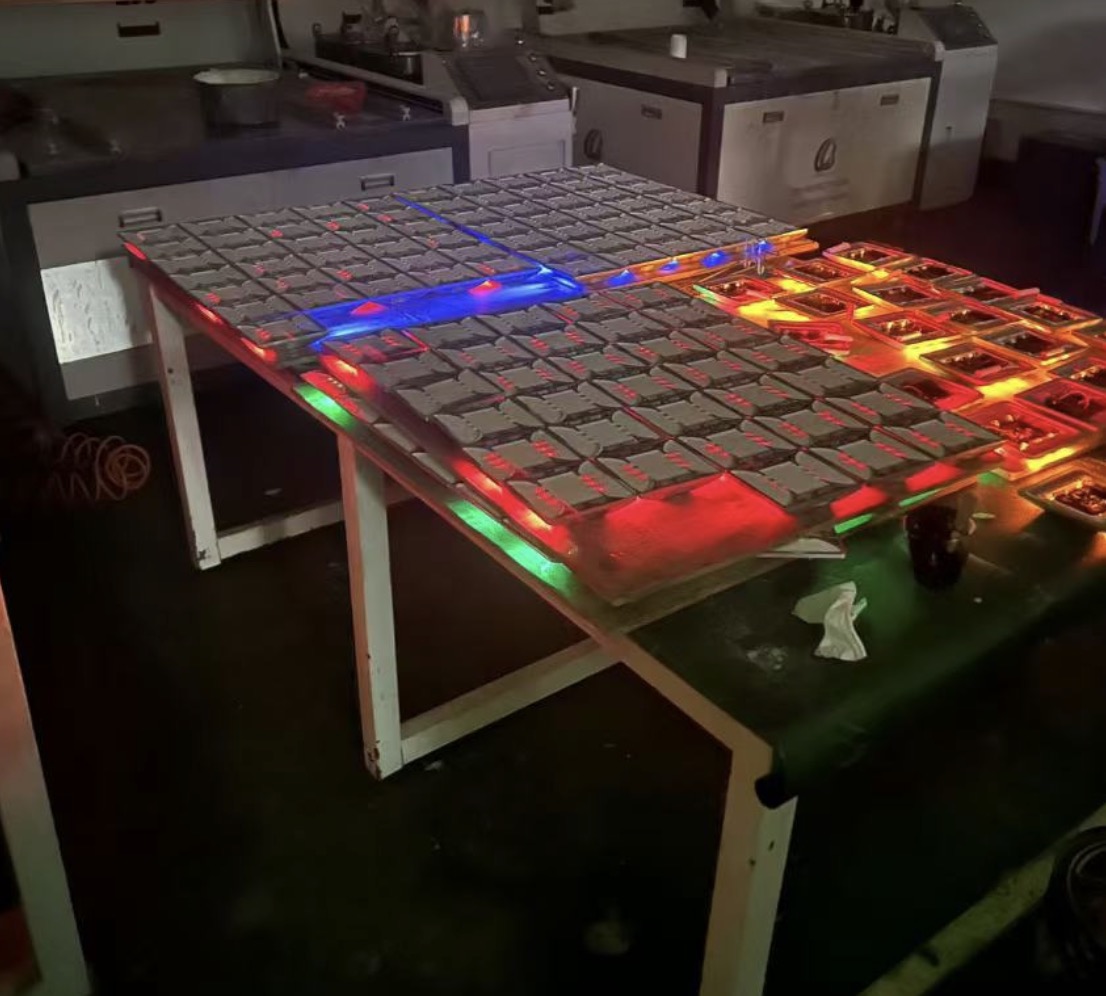
Epoxy resin is often used for potting solar road studs to enhance waterproofing. While effective under low-stress conditions, challenges arise in high-pressure environments such as roadways:
-
Pressure Resistance: Epoxy resin may crack or detach under the continuous stress of vehicles.
-
Shock Impact: Vibrations and shocks from passing vehicles can compromise the resin's seal.
-
Point Weakness: A single weak point in the seal can allow water to seep into the internal circuitry, causing moisture damage and failure.
Comprehensive Approach to Waterproofing
Achieving full waterproofing for solar aluminum pavement markers requires a holistic approach that goes beyond glue or resin sealing:
-
Robust Design: The structural design must account for stress distribution to minimize weak points.
-
Material Selection: Durable materials, such as high-quality aluminum or reinforced plastic, can better withstand environmental and mechanical stress.
-
Advanced Sealing Techniques: Use of layered sealing methods combining glue, gaskets, and protective coatings for enhanced resilience.
-
Quality Control: Rigorous testing under simulated environmental and pressure conditions to identify potential failure points.
Conclusion
Waterproofing is a critical factor for the performance and reliability of solar raised aluminum pavement markers. While glue or epoxy resin can provide initial waterproofing, long-term effectiveness requires a combination of superior design, material selection, and advanced sealing methods. By addressing these factors comprehensively, manufacturers can ensure that solar road markers meet safety, guidance, and aesthetic demands while withstanding the rigors of outdoor environments.
Solar Pavement Markers and Solar Panel Efficiency
The Best Choice for Rechargeable Batteries in Solar Road Studs
Related Article
Wired LED Road Studs provide stable illumination and reliable road guidance for highways, tunnels, and traffic engineering projects with durable design and reduced maintenance needs.
Why Wired LED Road Studs Are Ideal for Highway and Tunnel Applications?
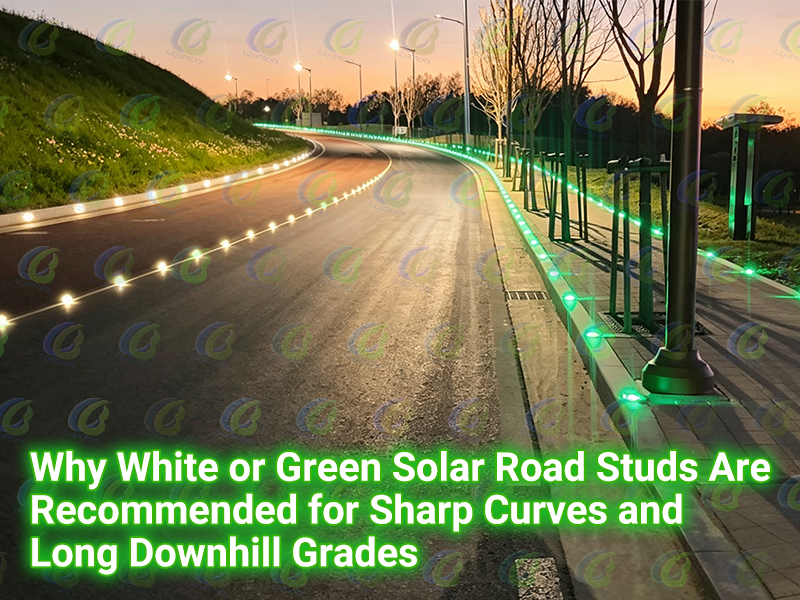
Road safety manufacturer explains solar road stud color selection for sharp curves and long downhill sections. Compare white, green, amber, and red light performance under low illumination and foggy conditions. Custom solutions available.
Roadway Delineation: Why White or Green Solar Road Studs Are Recommended for Sharp Curves and Long Downhill Grades
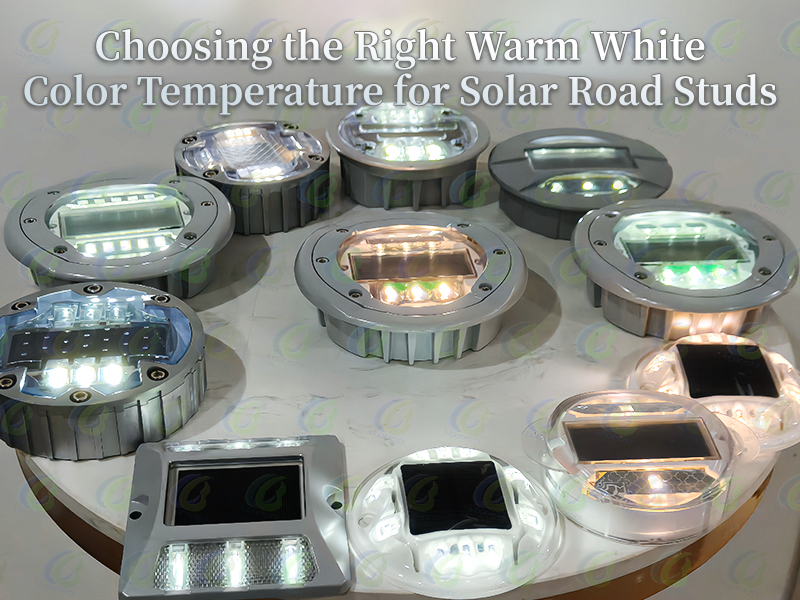
Discover the difference between 6000K, 4000K, 3000K, and 2500K solar road stud color temperatures. Learn how to choose the best warm white solar road studs for highways, cycle lanes, pedestrian pathways, parks, and landscape lighting projects.
Choosing the Right Warm White Color Temperature for Solar Road Studs
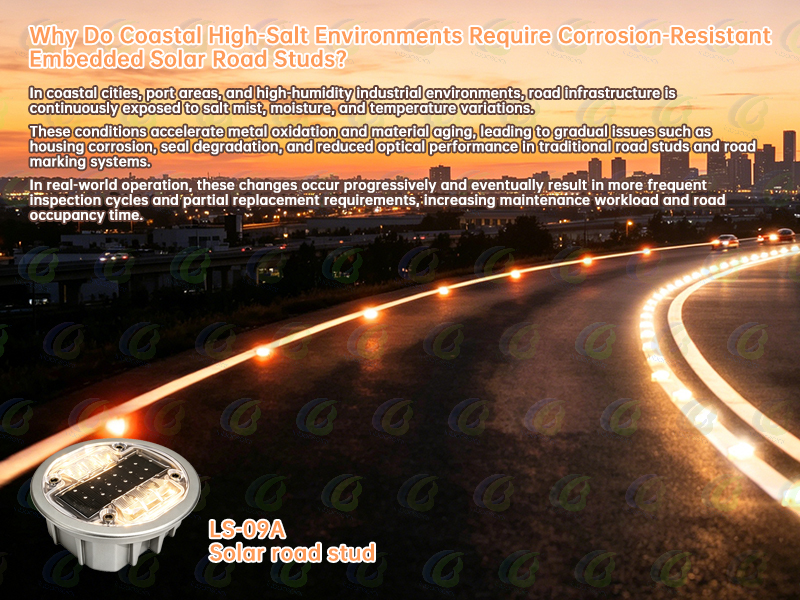
Coastal high-salt environments accelerate road infrastructure corrosion. Embedded solar road studs with corrosion-resistant materials and IP68 protection help improve night visibility and extend maintenance cycles.
Why Do Coastal High-Salt Environments Require Corrosion-Resistant Embedded Solar Road Studs?