


how solar road stud works
author: Aaron
2024-12-09

In the field of modern traffic engineering, solar road studs are gradually emerging as an important facility to improve road safety and traffic management efficiency. They cleverly combine solar energy technology and photoelectric sensing technology to achieve a variety of excellent functions.
One of the core components of solar road studs is the solar panel. They usually use highly efficient monocrystalline or polycrystalline silicon solar cells, which can efficiently convert the sunlight energy shining on their surface into electrical energy. When sunlight shines on the solar panel, the photons excite the electrons in the silicon atoms, causing them to move in a directional manner, thus forming an electric current. This current is transmitted to the rechargeable battery inside the road stud for storage, providing a stable source of energy for the subsequent operation of the road stud. Generally speaking, under normal use and maintenance conditions, the power generation efficiency of a high-quality solar panel can be maintained at about 80% of the initial efficiency within 10-15 years, laying the foundation for the long-term stable operation of the road stud.
Road studs are equipped with high-brightness LED lamp beads. These lamp beads play a key role in different working modes. At night or in low light conditions, the LED lamp beads are lit up by the power stored in the battery. The light they emit is highly penetrating and eye-catching, and can clearly identify information such as road contours, lane dividing lines, and the location of special sections, allowing drivers to accurately identify the direction of the road from a long distance, effectively preventing accidents such as lane deviation and accidental entry into dangerous areas due to poor vision. The service life of LED lamp beads can usually reach 50,000 to 100,000 hours. Calculated based on 10 to 12 hours of work per day, it can be used for about 10 to 15 years.
In addition, the solar road studs are also integrated with an advanced photoelectric sensing system. The light sensors in the system can sense the changes in the light intensity of the surrounding environment in real time. When the ambient light intensity drops below the set threshold, such as at sunset or in dark areas such as tunnels, the photoelectric sensing system will automatically trigger the circuit to turn on the LED lamp beads; when there is sufficient light during the day, the light sensor detects a strong light signal and controls the circuit to turn off the LED lamp beads to save energy and extend the battery life.
Some solar road studs also have wireless communication functions. They can exchange data with nearby traffic management centers or other intelligent traffic equipment. For example, when the road studs detect abnormal driving conditions of vehicles (such as speeding, illegal lane changes, etc.), they can transmit relevant information to the management center through wireless signals so that timely countermeasures can be taken. At the same time, the traffic management center can also remotely adjust and optimize the working parameters of the road studs (such as light brightness, flashing frequency, etc.) to adapt to different traffic conditions and weather conditions.
Solar road studs play an increasingly important role in ensuring road traffic safety and improving the level of intelligent traffic management by combining solar power supply, LED lighting, photoelectric sensing, wireless communication and other technologies. They have become an indispensable part of modern transportation infrastructure and continue to contribute to the construction of an efficient and safe road traffic network. The service life of its main components is long, and it can provide many years of stable service for the road as a whole. Generally speaking, the overall service life of solar road studs can reach about 8-12 years, and only a small amount of maintenance and repair work is required during this period to ensure its normal operation.
Raised Pavement Markers - Solar Powered & Smart Standby Road Line Marking Solution
How Can Pavement Markings Indicate and Enhance Traffic Safety?
Related Article
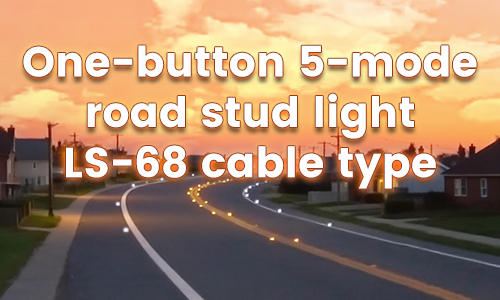
Wired LED Road Studs provide stable illumination and reliable road guidance for highways, tunnels, and traffic engineering projects with durable design and reduced maintenance needs.
Why Wired LED Road Studs Are Ideal for Highway and Tunnel Applications?
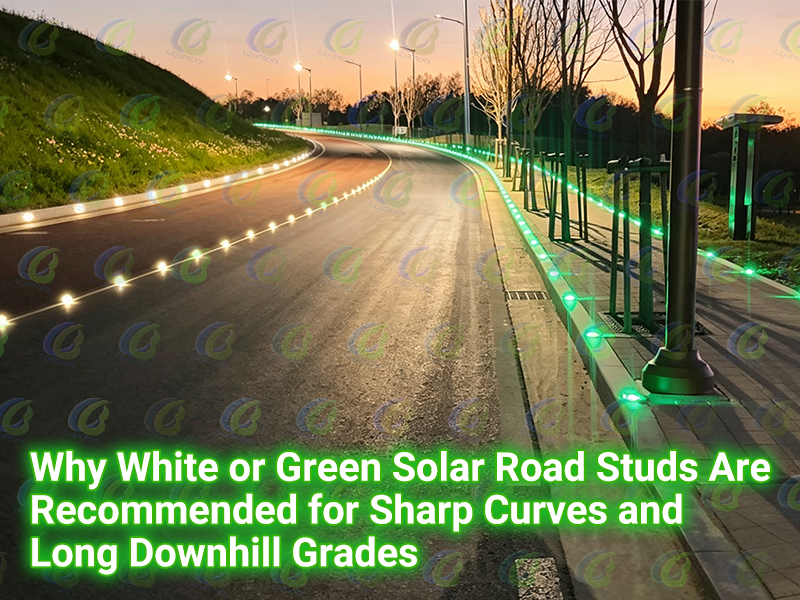
Road safety manufacturer explains solar road stud color selection for sharp curves and long downhill sections. Compare white, green, amber, and red light performance under low illumination and foggy conditions. Custom solutions available.
Roadway Delineation: Why White or Green Solar Road Studs Are Recommended for Sharp Curves and Long Downhill Grades
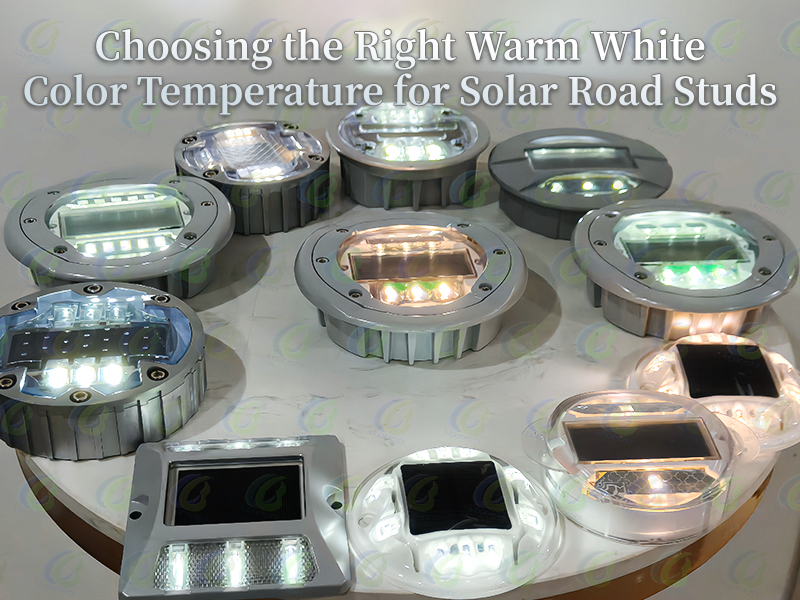
Discover the difference between 6000K, 4000K, 3000K, and 2500K solar road stud color temperatures. Learn how to choose the best warm white solar road studs for highways, cycle lanes, pedestrian pathways, parks, and landscape lighting projects.
Choosing the Right Warm White Color Temperature for Solar Road Studs
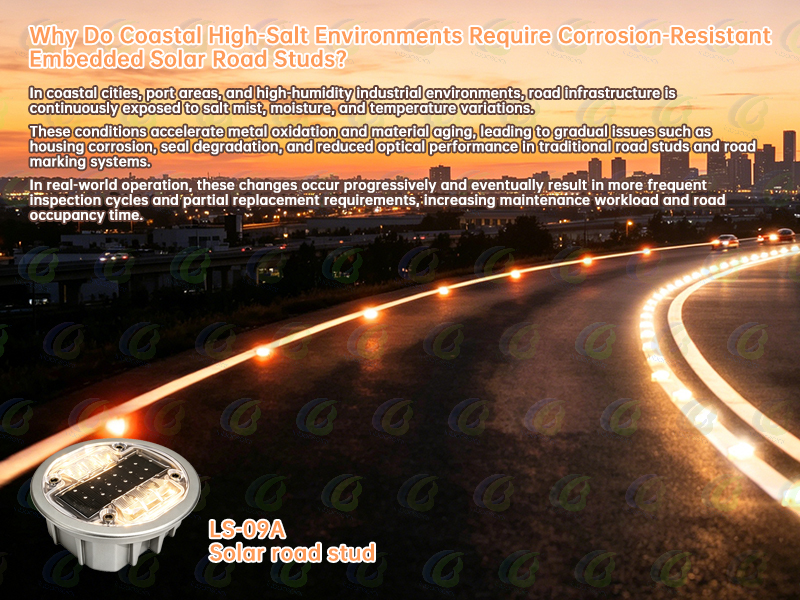
Coastal high-salt environments accelerate road infrastructure corrosion. Embedded solar road studs with corrosion-resistant materials and IP68 protection help improve night visibility and extend maintenance cycles.
Why Do Coastal High-Salt Environments Require Corrosion-Resistant Embedded Solar Road Studs?