

Why Illuminate Pavement Road Markers Need Waterproofing and Must Always Be IP68 Rated
author: Eng. Jose
2024-12-30

Why Illuminate Pavement Road Markers Need Waterproofing and Must Always Be IP68 Rated
Pavement road markers play a critical role in ensuring road safety, especially during nighttime or adverse weather conditions. These devices, often illuminated with LED or solar-powered technology, provide clear lane guidance and enhance visibility for drivers. However, their effectiveness and longevity depend heavily on their design and construction, particularly their waterproofing capabilities and adherence to the IP68 rating. Here’s why these features are essential.
The Importance of Waterproofing in Pavement Markers
Pavement markers are exposed to harsh environmental conditions, including rain, snow, and standing water. Without proper waterproofing, moisture can penetrate the marker's internal components, leading to:
-
Electrical Failures: Water ingress can cause short circuits, rendering the marker inoperative.
-
Reduced Visibility: Fogging or condensation inside the marker’s casing can obstruct light emission, diminishing its effectiveness.
-
Corrosion: Prolonged exposure to moisture can corrode internal parts, reducing the device's lifespan.
-
Safety Hazards: Malfunctioning markers may confuse drivers and increase accident risks, particularly in poor weather conditions.
Why IP68 Rating is Crucial
The Ingress Protection (IP) rating system defines the level of protection a device offers against solids and liquids. An IP68 rating ensures:
Dust Resistance: The ‘6’ in IP68 indicates complete protection against dust, ensuring the marker remains operational in dusty environments
Water Resistance: The ‘8’ signifies the ability to withstand continuous immersion in water beyond 1 meter depth for extended periods. This is critical for pavement markers installed in flood-prone or coastal areas.
Markers with IP68 ratings are built to endure prolonged exposure to water and dirt without compromising functionality. This makes them ideal for long-term use on roads where durability is non-negotiable.
Benefits of Long-Term Waterproofing
-
Enhanced Durability: Waterproof markers resist wear and tear, ensuring they remain functional for years.
-
Cost Efficiency: Fewer replacements and repairs translate to lower maintenance costs over time.
-
Consistent Performance: IP68-rated markers maintain their brightness and reliability under all conditions, providing unwavering safety guidance.
-
Sustainability: Longer-lasting markers reduce waste and resource consumption, aligning with eco-friendly road construction practices.
Applications Demanding IP68-Rated Markers
Highways and Freeways: Where safety is paramount, even during heavy rain.
Bridges and Tunnels: Areas prone to moisture accumulation.
Coastal Roads: Locations exposed to saltwater spray and extreme humidity.
Urban Streets: High-traffic areas requiring dependable markers.
Conclusion
Waterproofing and an IP68 rating are not just desirable but essential features for illuminated pavement road markers. These attributes ensure the markers remain functional and reliable, even in the harshest conditions, thereby enhancing road safety and reducing long-term maintenance costs. For road planners and safety engineers, investing in IP68-rated pavement markers is a step toward creating safer and more sustainable transportation infrastructure.
How Bright Should Solar Road Studs Be to Ensure Driver Safety?
Enhancing Road Safety: The Role of Solar Road Studs Under Streetlights
Related Article
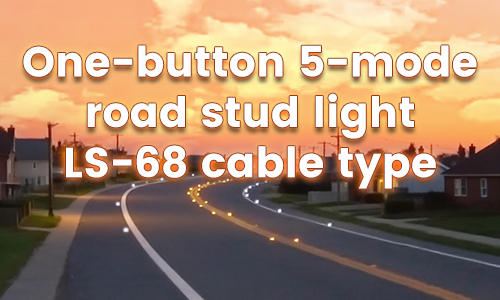
Wired LED Road Studs provide stable illumination and reliable road guidance for highways, tunnels, and traffic engineering projects with durable design and reduced maintenance needs.
Why Wired LED Road Studs Are Ideal for Highway and Tunnel Applications?
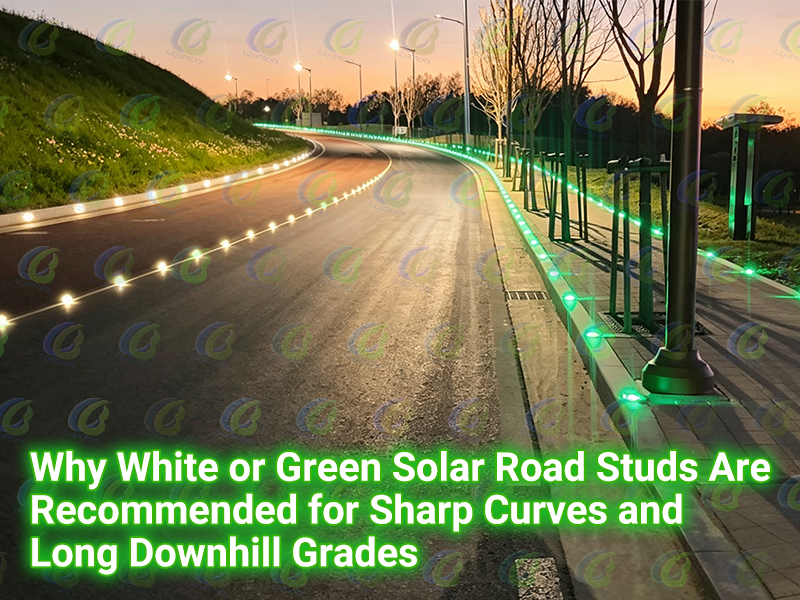
Road safety manufacturer explains solar road stud color selection for sharp curves and long downhill sections. Compare white, green, amber, and red light performance under low illumination and foggy conditions. Custom solutions available.
Roadway Delineation: Why White or Green Solar Road Studs Are Recommended for Sharp Curves and Long Downhill Grades
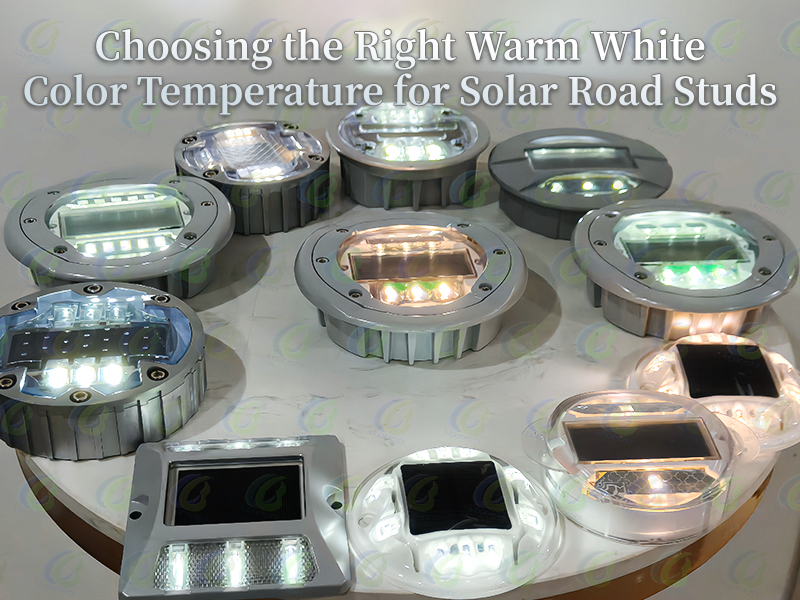
Discover the difference between 6000K, 4000K, 3000K, and 2500K solar road stud color temperatures. Learn how to choose the best warm white solar road studs for highways, cycle lanes, pedestrian pathways, parks, and landscape lighting projects.
Choosing the Right Warm White Color Temperature for Solar Road Studs
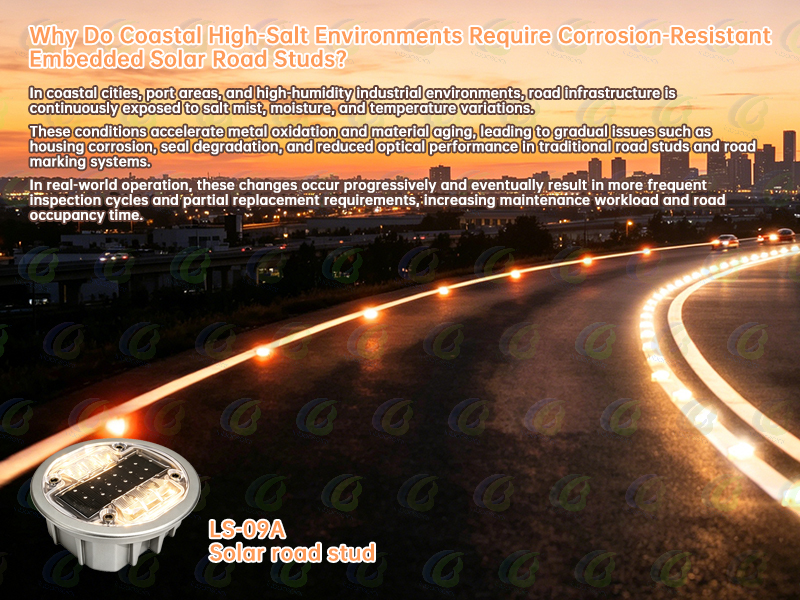
Coastal high-salt environments accelerate road infrastructure corrosion. Embedded solar road studs with corrosion-resistant materials and IP68 protection help improve night visibility and extend maintenance cycles.
Why Do Coastal High-Salt Environments Require Corrosion-Resistant Embedded Solar Road Studs?