

How to choose suitable road marker(road stud) based on road conditions?
author: ENGR OF LUBAO
2024-03-05
How to choose suitable road marker(road stud) based on road conditions?
Choosing the most suitable road marker(road stud) for a particular location involves considering various factors related to the road conditions and the specific requirements of the area.
Here are some factors to consider when selecting road marker(road stud) based on road conditions:
1. Transportation conditions-Different road types (urban roads, highways, park trails, industrial zone...), Vehicle weight and volume of traffic...
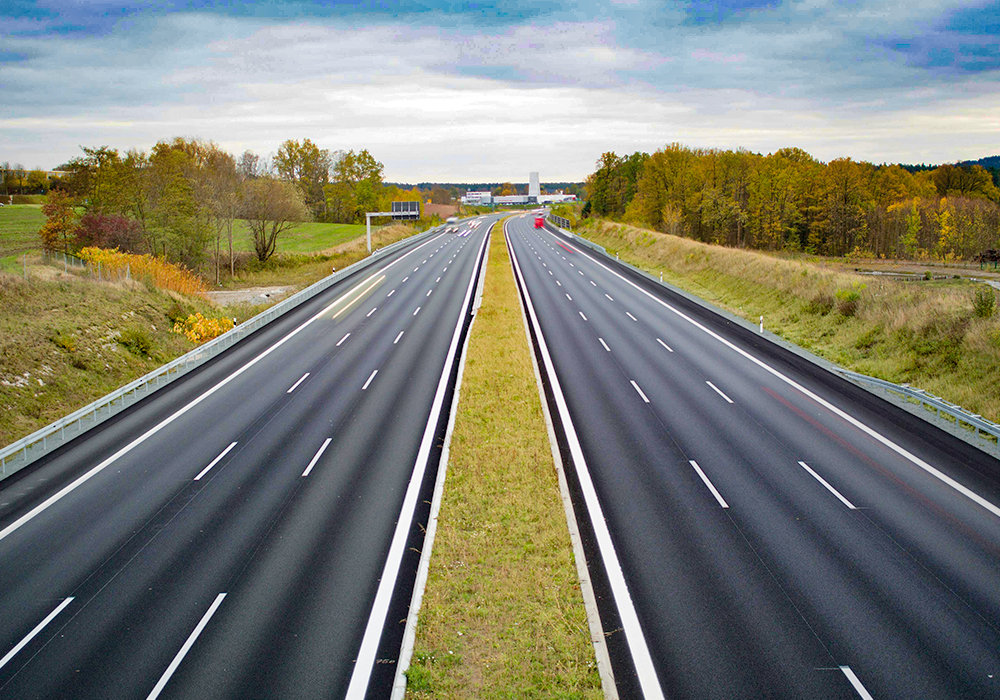

1.1 If heavy trucks are traversing the road section, it is imperative to select road marker(road stud) with a high load-bearing capacity.
1.2 If the installation is limited to park trails, pedestrian crossings, and other road sections without vehicle traffic, it is advisable to opt for aesthetically pleasing road marker(road stud), such as plastic road marker(road stud), rather than choosing aluminum road markers with high load-bearing capacity and brightness. This choice can result in cost savings.
| Product |
Recommended reason
|
|
|
The LS-68 solar road marker (solar road stud) operates independently without the need for complex electrical connections. It is designed with a replaceable inner parts, customizable with synchronous flashing, and capable of bearing a weight of 50 tons, making it suitable for installation on highways. |
| The LS-07 solar road stud comes highly recommended for installation and use in parks. Featuring high transparency and brightness, it can be customized with up to 10pcs LED. Additionally, its beautiful appearance and IP67 waterproof rating make it an ideal choice. |


2. Climate Conditions-Local climate, temperature extremes, lighting conditions...
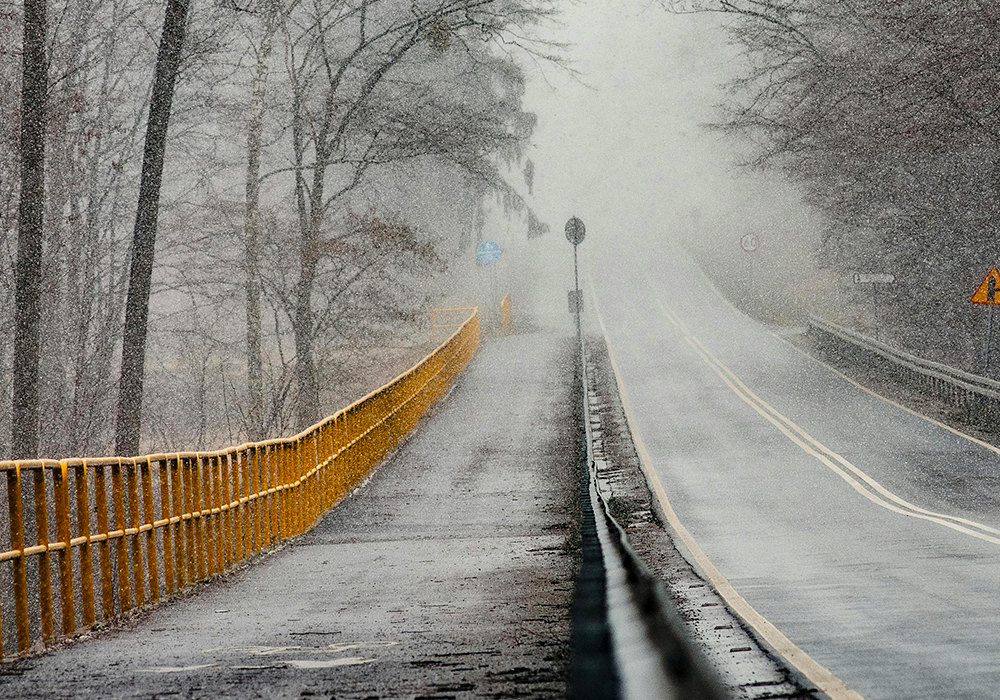

2.1 In areas with heavy snowfall, choose road studs that can withstand the impact of snowplows, such as the road marker(road stud) embedded in the ground.
2.2 If in coastal cities, choose corrosion resistant road marker(road stud).
2.3 On roads with limited sunlight, opting for road marker(road stud) that can be powered by wiring or non-solar charging may be more cost-effective, choosing solar powered charging road marker(road stud) is more cost effective on well lit roads.
| Product | Recommended reason |
| The LS-38 is an embedded solar road marker (solar road stud) with a minimal raised height of only 11.5mm when embedded in the ground. It can withstand extreme temperatures, continuing to function normally even at -16℃. This makes it suitable for use in harsh winter areas with heavy snow, as it remains undamaged by snow shovels. Furthermore, its shell has undergone salt and corrosion resistance treatments, allowing installation in coastal areas as well. | |
| The LS-08 is an embedded solar road marker (solar road stud) with a minimal raised height of only 6.5mm when embedded in the ground. For installation in coastal cities and on roads without heavy truck traffic, we recommend the LS-08 solar road marker (solar road stud). With a load-bearing capacity of 30 tons, it is constructed from corrosion-resistant polycarbonate. |


3. Consider the budget available for road marker(road stud).
4. Assess the ease of installation and maintenance.
If you have any further questions, please feel free to contact us.
Discover the Various Types of Road Studs: How Many Do You Know?
Related Article
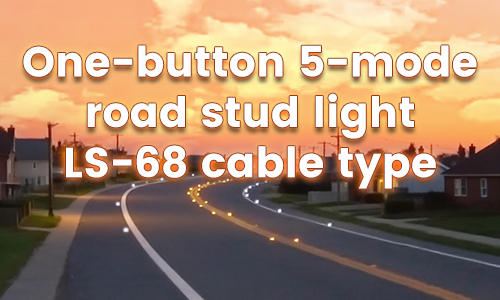
Wired LED Road Studs provide stable illumination and reliable road guidance for highways, tunnels, and traffic engineering projects with durable design and reduced maintenance needs.
Why Wired LED Road Studs Are Ideal for Highway and Tunnel Applications?
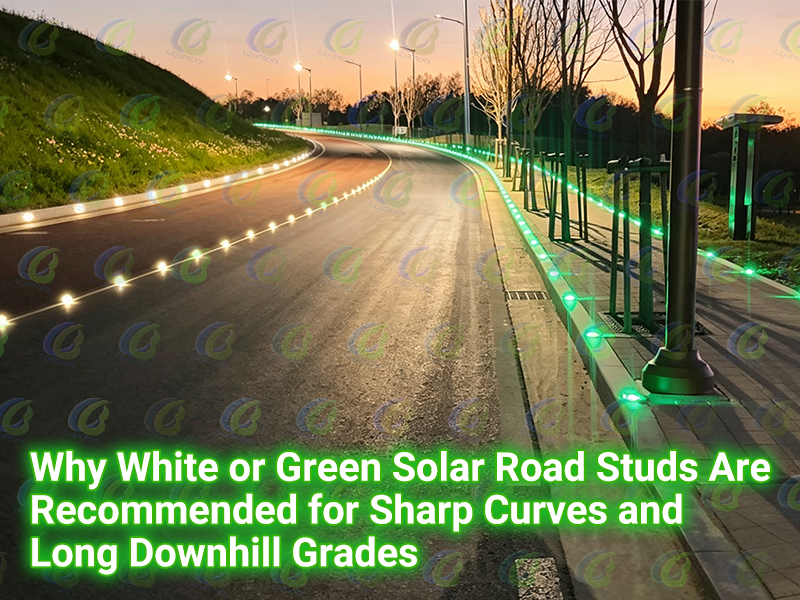
Road safety manufacturer explains solar road stud color selection for sharp curves and long downhill sections. Compare white, green, amber, and red light performance under low illumination and foggy conditions. Custom solutions available.
Roadway Delineation: Why White or Green Solar Road Studs Are Recommended for Sharp Curves and Long Downhill Grades
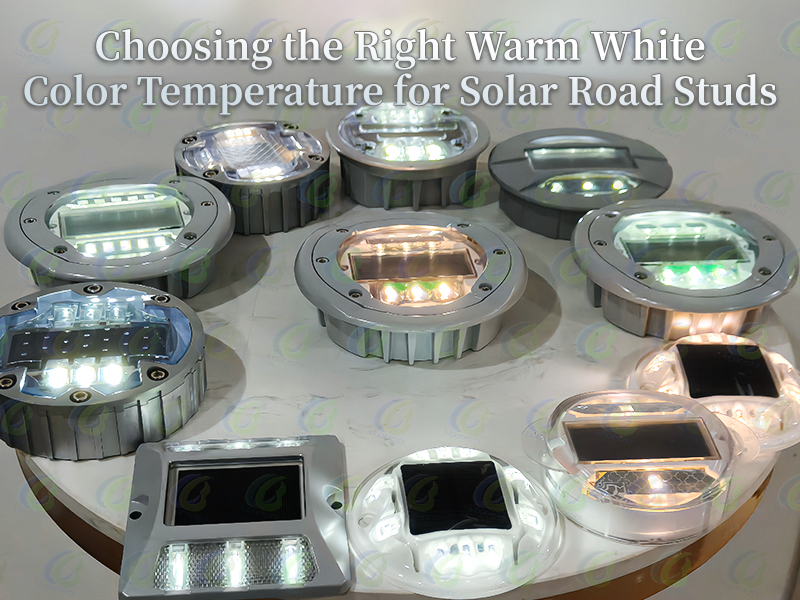
Discover the difference between 6000K, 4000K, 3000K, and 2500K solar road stud color temperatures. Learn how to choose the best warm white solar road studs for highways, cycle lanes, pedestrian pathways, parks, and landscape lighting projects.
Choosing the Right Warm White Color Temperature for Solar Road Studs
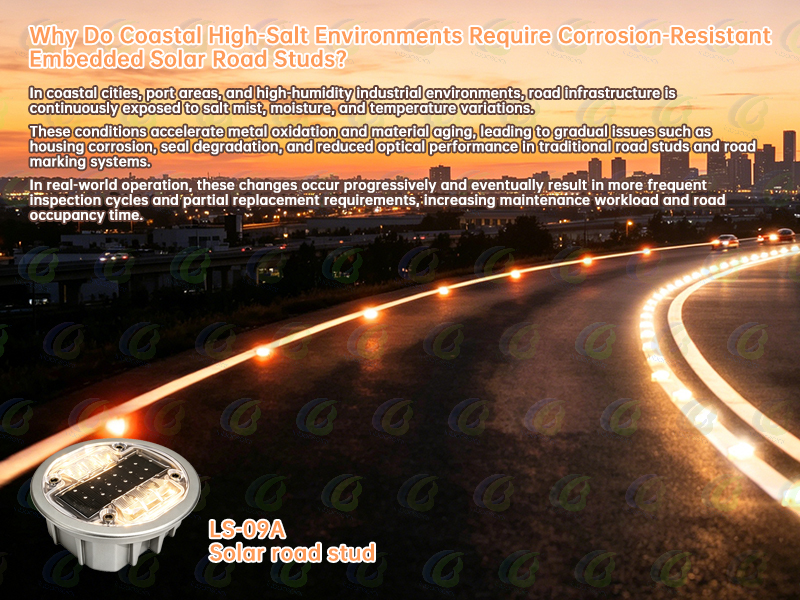
Coastal high-salt environments accelerate road infrastructure corrosion. Embedded solar road studs with corrosion-resistant materials and IP68 protection help improve night visibility and extend maintenance cycles.
Why Do Coastal High-Salt Environments Require Corrosion-Resistant Embedded Solar Road Studs?