

Can Solar Illuminated LED Pavement Markers Work in the Lowest Temperatures?
author: Eng.Jose
2025-01-12
Can Solar Illuminated LED Pavement Markers Work in the Lowest Temperatures?
Solar illuminated LED pavement markers are commonly installed in regions with plenty of sunshine. However, in colder areas with limited visibility and extreme winter conditions, these markers play a crucial role in safety guidance and warning. Understanding how they function in low temperatures is essential for ensuring their reliability in such environments.
Key Considerations for Cold Weather Functionality
To determine if solar road studs can work in the coldest temperatures, certain base conditions must be met:
Full Waterproofing for Extreme Cold
In the coldest regions, solar road studs must be fully waterproof. As the seasons change from summer to winter, these markers face thermal expansion and contraction due to temperature fluctuations. This can lead to physical stress on the sealed components. Manufacturers must account for potential chemical reactions and environmental impacts, ensuring the product remains watertight and durable.
In the coldest regions, solar road studs must be fully waterproof. As the seasons change from summer to winter, these markers face thermal expansion and contraction due to temperature fluctuations. This can lead to physical stress on the sealed components. Manufacturers must account for potential chemical reactions and environmental impacts, ensuring the product remains watertight and durable.
Rechargeable Batteries Active in Low Temperatures
The rechargeable batteries inside solar road studs must remain functional even in the harshest winters. They should be capable of charging efficiently and providing consistent lighting, regardless of the cold. Without reliable battery performance, these markers would fail to meet safety requirements.
The rechargeable batteries inside solar road studs must remain functional even in the harshest winters. They should be capable of charging efficiently and providing consistent lighting, regardless of the cold. Without reliable battery performance, these markers would fail to meet safety requirements.
Ensuring Continuous Power Supply
Solar illuminated LED pavement markers should include an automatic standby mode to ensure functionality during storage or adverse conditions. Whether in autumn or the depths of winter, the markers must continue to operate as expected, providing uninterrupted safety guidance on the roads.
Solar illuminated LED pavement markers should include an automatic standby mode to ensure functionality during storage or adverse conditions. Whether in autumn or the depths of winter, the markers must continue to operate as expected, providing uninterrupted safety guidance on the roads.
High Lighting Intensity and Brightness
Cold and snowy conditions often limit visibility, making it crucial for solar road studs to maintain high brightness levels. Their illumination must be strong enough to guide and warn drivers effectively, even in low-visibility environments.
Cold and snowy conditions often limit visibility, making it crucial for solar road studs to maintain high brightness levels. Their illumination must be strong enough to guide and warn drivers effectively, even in low-visibility environments.
Performance in Extreme Temperatures
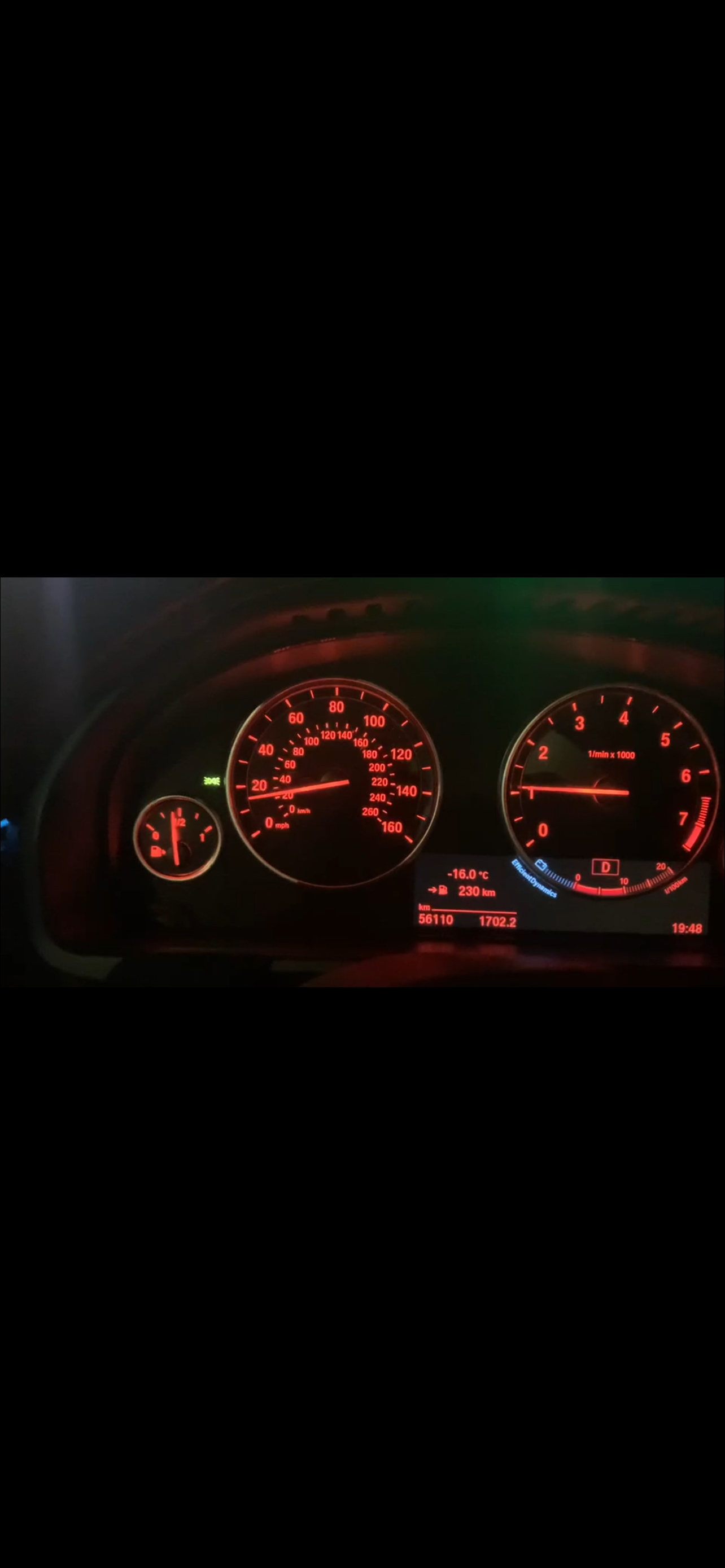
After meeting these essential conditions, solar road studs can operate reliably in temperatures as low as -16.5 to -20 degrees Celsius. These capabilities make them suitable for some of the coldest roads, ensuring road safety even in challenging climates.
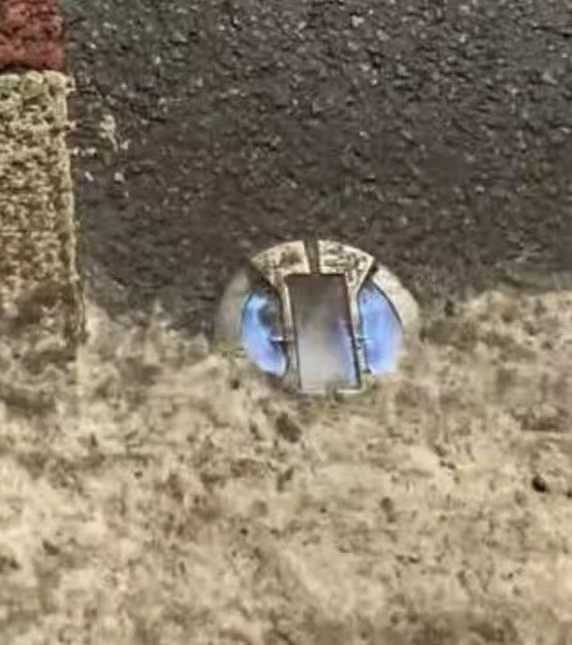
Recommendation: Embedded LED Pavement Markers
For the coldest regions, embedded solar illuminated LED pavement markers are highly recommended. Their design provides enhanced stability, protection against extreme weather, and reliable performance. These markers are an excellent solution for maintaining road safety in low-temperature environments.
Conclusion
Solar illuminated LED pavement markers are not just for sunny regions; they are indispensable in cold climates where safety and visibility are critical. By ensuring full waterproofing, efficient battery performance, continuous power supply, and high brightness, these markers can function effectively in some of the harshest conditions, making them a vital tool for road safety.
Can Solar Road Studs Withstand Extreme Temperatures and Deliver Consistent Performance?
Recommend the Best Choice: Solar Illuminated Pavement Markers for Hotels and Parks
Related Article
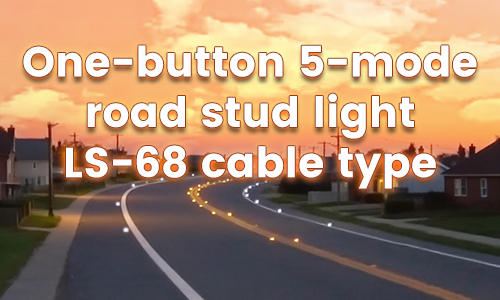
Wired LED Road Studs provide stable illumination and reliable road guidance for highways, tunnels, and traffic engineering projects with durable design and reduced maintenance needs.
Why Wired LED Road Studs Are Ideal for Highway and Tunnel Applications?
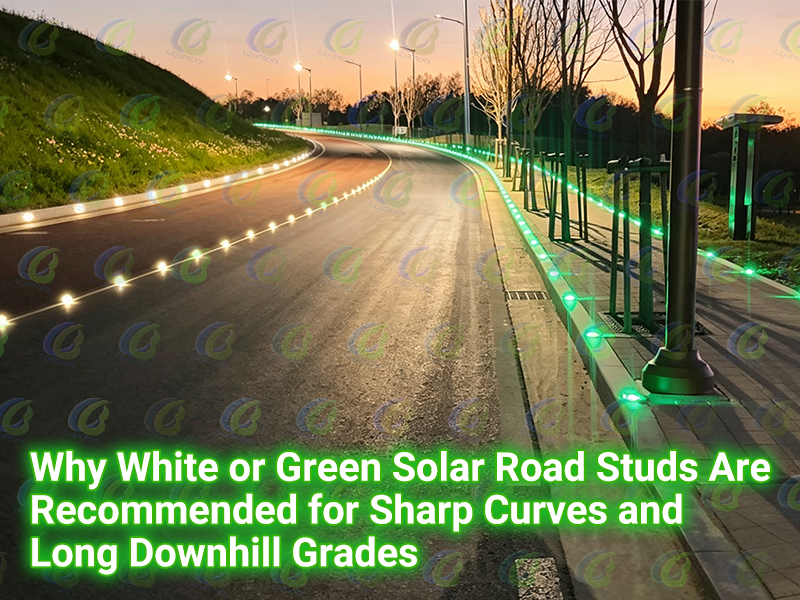
Road safety manufacturer explains solar road stud color selection for sharp curves and long downhill sections. Compare white, green, amber, and red light performance under low illumination and foggy conditions. Custom solutions available.
Roadway Delineation: Why White or Green Solar Road Studs Are Recommended for Sharp Curves and Long Downhill Grades
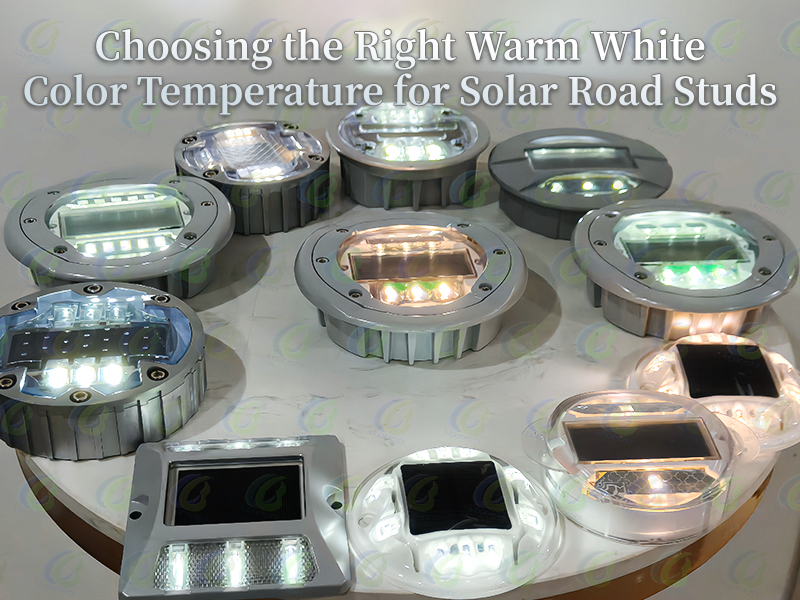
Discover the difference between 6000K, 4000K, 3000K, and 2500K solar road stud color temperatures. Learn how to choose the best warm white solar road studs for highways, cycle lanes, pedestrian pathways, parks, and landscape lighting projects.
Choosing the Right Warm White Color Temperature for Solar Road Studs
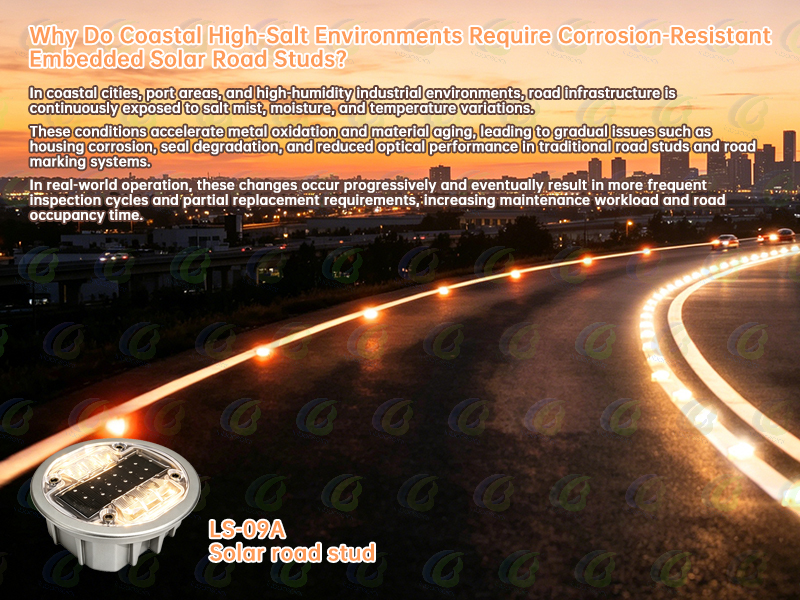
Coastal high-salt environments accelerate road infrastructure corrosion. Embedded solar road studs with corrosion-resistant materials and IP68 protection help improve night visibility and extend maintenance cycles.
Why Do Coastal High-Salt Environments Require Corrosion-Resistant Embedded Solar Road Studs?