

Solar Road Studs vs. Traditional Road Markers: Which Is More Effective?
author: Eng.Jose
2025-01-26

Solar Road Studs vs. Traditional Road Markers: Which Is More Effective?
When it comes to ensuring roadway safety, both solar road studs and traditional road markers play crucial roles. Each option has its own set of advantages and limitations, making it essential for road planners and construction companies to carefully consider their choices. Solar road studs offer cutting-edge technology with sustainable energy solutions, while traditional road markers provide steady and reliable reflectivity. This article explores their effectiveness and provides useful tips for choosing the right solar road studs for your project.
Solar Road Studs: A Modern Solution for Road Safety
Solar road studs are powered by solar energy, offering continuous active lighting that significantly enhances road safety, especially in hazardous conditions such as heavy fog, high-speed roads, and low-visibility areas. Unlike traditional reflective road markers, solar studs emit their own light, providing clear visual guidance to drivers without relying on external light sources.
Advantages of Solar Road Studs:
-
Enhanced Visibility:
-
Solar road studs provide clear lighting, making them highly effective on highways, hazardous curves, and foggy areas, where traditional markers may not be visible.
-
-
Eco-Friendly Solution:
-
They utilize green energy from the sun, reducing dependence on electricity and contributing to sustainability goals.
-
-
Cost Efficiency in the Long Run:
-
Despite higher upfront costs, solar road studs can help lower maintenance expenses by reducing accidents and improving road safety.
-
Challenges of Solar Road Studs:
While solar road studs offer numerous benefits, choosing the wrong supplier or low-quality products can result in unexpected failures. Poor-quality solar road studs may fail within 3 months, leading to costly replacements and rework, making them an undesirable choice for construction companies.
Traditional Road Markers: Reliable and Cost-Effective
Traditional road markers, such as reflective paint and studs, have been used for decades due to their steady and reliable performance. They are effective in well-lit areas and depend on vehicle headlights to reflect light back to drivers.
Advantages of Traditional Road Markers:
-
Proven Reliability:
-
Effective in dry and well-lit conditions with long-lasting reflective properties.
-
-
Low Maintenance Cost:
-
Requires minimal upkeep compared to solar-powered options.
-
-
Affordability:
-
Initial costs are significantly lower than solar road studs.
-
Challenges of Traditional Road Markers:
-
Limited Visibility: They are ineffective in extreme weather conditions such as fog, heavy rain, or dark rural areas.
-
No Active Lighting: They rely on external light sources, making them less effective compared to solar road studs in low-visibility situations.
Choosing the Right Solar Road Studs: Essential Considerations
If you opt for solar road studs, it's crucial to select the right type based on the following factors to ensure long-term effectiveness and cost-efficiency.
1. Consider Sunlight Availability
Assess whether the area receives sufficient sunlight. If the region has prolonged cloudy days, it is advisable to use solar road studs equipped with larger, high-efficiency solar panels for better energy conversion.(about the solar road stud panel article ,check here Solar Pavement Markers and Solar Panel Efficiency)
Understand the maximum vehicle speed and road usage. For high-speed roads or heavy-duty areas, choose robust solar road studs that can withstand high pressure and provide adequate visibility.
(//www.lu-bao.com/article-Understanding-the-Strength-of-Solar-Road-Studs.html, Calculating the Load-Bearing Capacity of Solar Road Studs)
3. Reliable Manufacturer Selection
Selecting a reputable factory that offers high-quality design and materials is essential. Look for manufacturers who provide certification and guarantees that align with your project's needs.
4. Waterproofing and Build Quality
A well-designed solar road stud should feature:
-
IP68 waterproofing to withstand harsh weather conditions.
-
Durable circuit components and high-quality craftsmanship to ensure long-term functionality.
-
Refrence tipes ://www.lu-bao.com/ensuring-full-waterproofing-for-solar-raised-aluminum-pavement-markers.html
5. Lighting Intensity Matters
Ensure that the solar road studs provide high-intensity illumination without causing glare. Proper brightness ensures they are visible even in challenging environments.
6. Battery Quality Is Key
Always opt for new, high-quality rechargeable batteries, preferably:
-
LiFePO4 batteries, which are known for their long lifespan and stable performance.
-
For extremely cold regions, consider high-quality Ni-MH batteries, which perform better in low temperatures.
-
About the solar road markers battey choose tipes click here :The Best Choice for Rechargeable Batteries in Solar Road Studs)
Combining Solar Road Studs with Traditional Markers for Maximum Safety
To achieve the highest level of road safety, a combination of solar road studs and traditional reflective markers can provide a comprehensive solution. By leveraging the strengths of both systems, road users can benefit from:
-
Daytime and nighttime visibility with the reflectivity of traditional markers.
-
Active lighting from solar studs during poor weather conditions, improving overall road guidance and safety.
The right combination of these technologies not only enhances road safety but also contributes to a safer and more efficient driving experience for all.
Conclusion
When deciding between solar road studs and traditional road markers, the key factors to consider are visibility, cost, and maintenance. While solar road studs offer advanced lighting and sustainability, traditional markers provide steady and cost-effective solutions. Ultimately, choosing a combination of both solutions, along with selecting high-quality products from reliable suppliers, will result in improved road safety and long-term success in infrastructure projects.
By carefully assessing road conditions, supplier quality, and long-term maintenance needs, road planners and construction companies can make informed decisions that enhance roadway safety and efficiency for years to come.
LED Road Stud with Cable: When and Why to Use Wired LED Road Stud Lights
How Solar Road Studs Can Enhance Smart Cities and Smart Roadways
Related Article
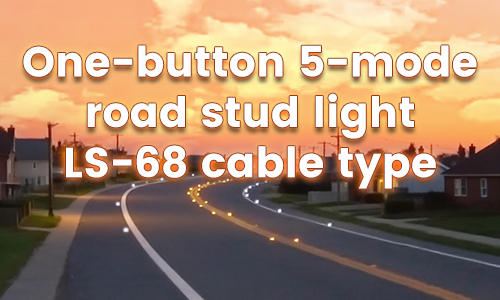
Wired LED Road Studs provide stable illumination and reliable road guidance for highways, tunnels, and traffic engineering projects with durable design and reduced maintenance needs.
Why Wired LED Road Studs Are Ideal for Highway and Tunnel Applications?
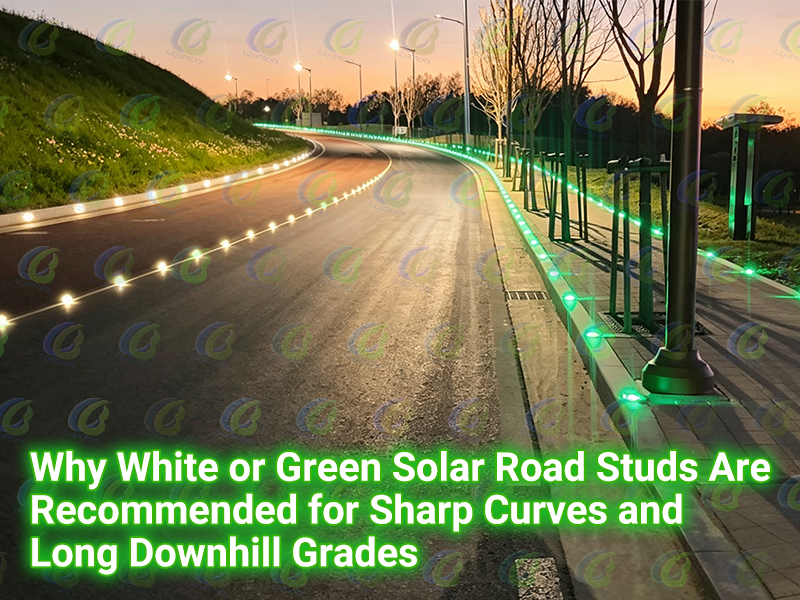
Road safety manufacturer explains solar road stud color selection for sharp curves and long downhill sections. Compare white, green, amber, and red light performance under low illumination and foggy conditions. Custom solutions available.
Roadway Delineation: Why White or Green Solar Road Studs Are Recommended for Sharp Curves and Long Downhill Grades

Discover the difference between 6000K, 4000K, 3000K, and 2500K solar road stud color temperatures. Learn how to choose the best warm white solar road studs for highways, cycle lanes, pedestrian pathways, parks, and landscape lighting projects.
Choosing the Right Warm White Color Temperature for Solar Road Studs
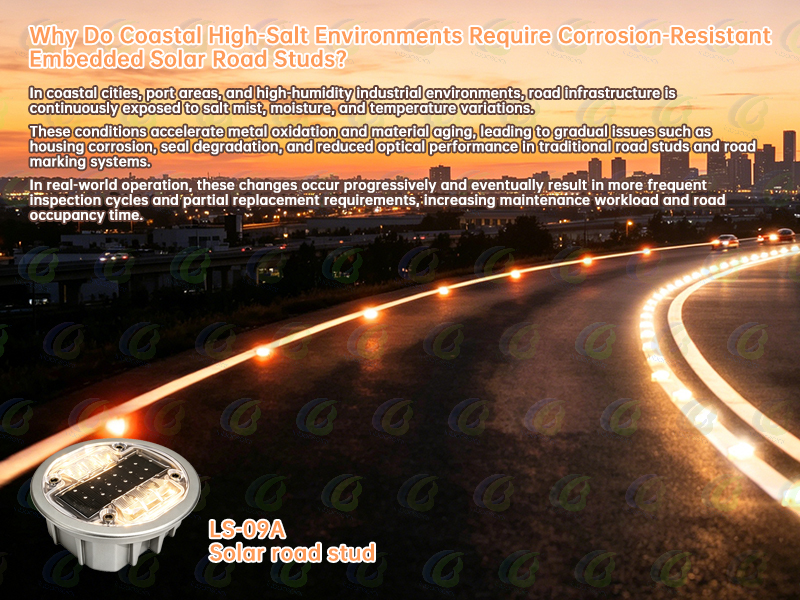
Coastal high-salt environments accelerate road infrastructure corrosion. Embedded solar road studs with corrosion-resistant materials and IP68 protection help improve night visibility and extend maintenance cycles.
Why Do Coastal High-Salt Environments Require Corrosion-Resistant Embedded Solar Road Studs?